


“‘We’re Building Bunkers Again’”: Lithuania Rushes To Shield Every Citizen As Russian Drones Breach Its Airspace And Fear Spreads (urgency rising)
 By
Adam Kovács
By
Adam Kovács
| IN A NUTSHELL |
|
Amid escalating geopolitical tensions in Eastern Europe, Lithuania finds itself at the forefront of preparing for potential conflict. The ongoing war between Russia and Ukraine has stoked fears in neighboring countries, with Lithuania taking significant steps to bolster its national defenses. With a population of 2.9 million, this small Baltic nation is ramping up the construction of bomb shelters, reflecting a heightened sense of vulnerability due to its proximity to Belarus and the Russian enclave of Kaliningrad. As the threat of military aggression looms, both government-led initiatives and grassroots efforts are underway to ensure the safety of Lithuanian citizens.
Heightened Threats From Neighboring Russia
Lithuania’s geographical location has placed it in a precarious position, sharing borders with Belarus and Kaliningrad, where Russian influence is strong. The presence of a significant Russian-speaking community within Lithuania adds another layer of complexity, often viewed as a potential vulnerability amidst Russia’s ambitious geopolitical maneuvers. Recent incidents, such as the incursion of Russian drones into Lithuanian airspace in July, have intensified these concerns, prompting the government to take swift action.
The Lithuanian authorities have called on municipalities to accelerate the development of bomb shelters and enhance civil defense mechanisms. Currently, there are 6,453 shelters across Lithuania, capable of accommodating about 1.5 million people, roughly 54% of the population. The government’s objective is clear: to ensure every resident has access to a safe haven in the event of an emergency.
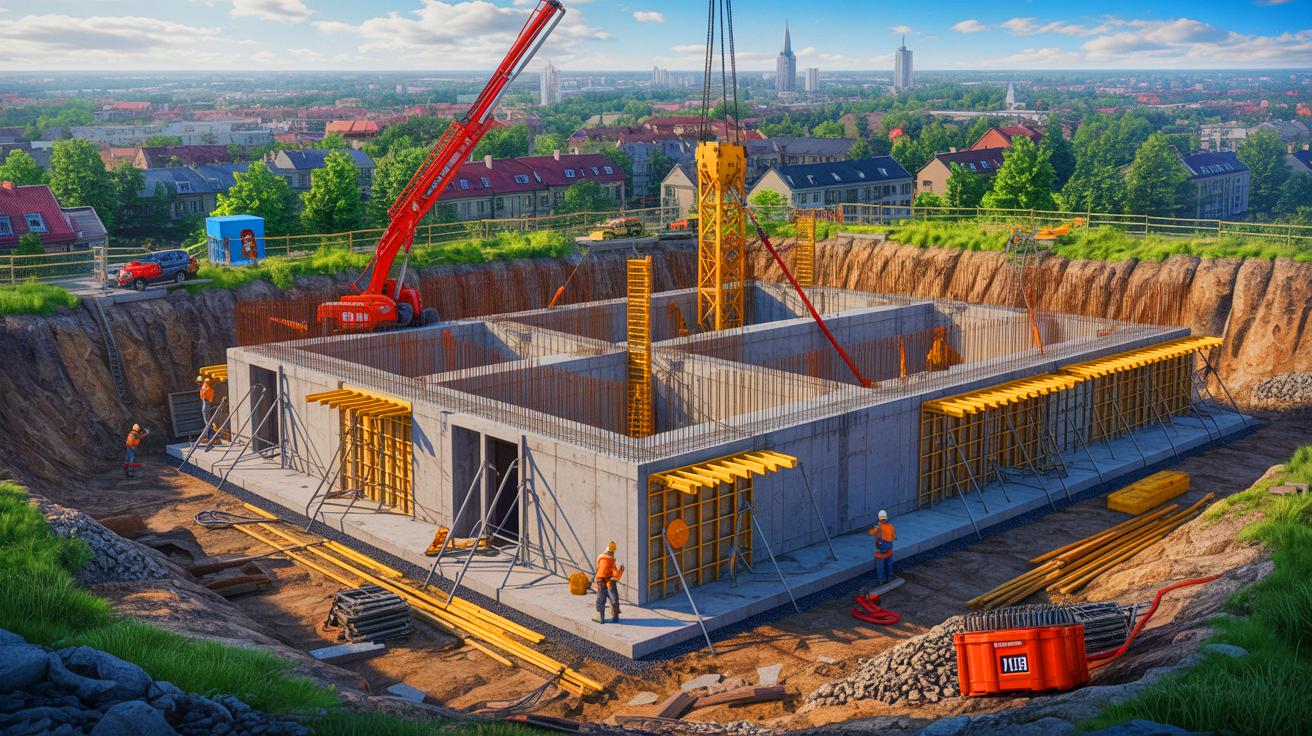
Efforts to bolster defenses include both public investments and private initiatives. The capital city, Vilnius, plans to upgrade or build 30 shelters that can be ready for use within twelve hours, demonstrating the urgency of these preparations.
Community Initiatives: Personal Responsibility in National Defense
Beyond government directives, Lithuanian citizens are taking personal responsibility for their safety. In residential areas, communities have come together to convert basements into makeshift bunkers. The war in Ukraine has served as a catalyst for these grassroots movements, underscoring the desire among residents to feel secure.
For instance, in one residential building, neighbors collaborated to transform their shared cellar into a fortified refuge. Vidas Magnavicius, the building's administrator, recounted residents' motivations: "People wanted to feel safe, knowing they could protect themselves during potential bombings and warfare, even if only for a few days." This collective effort involved clearing out the basement, installing toilets, and updating electrical systems to ensure the space is habitable during emergencies.
The mandate for new residential and public buildings in Lithuania to include bomb shelters marks a shift toward long-term resilience. Such practices align with those in countries like Finland and Switzerland, known for their robust civil defense strategies.
Drone Intrusions: A European Security Concern
Recent drone intrusions by Russia into European airspace have heightened security concerns across the continent. Countries such as Denmark and Germany have reported similar incidents, prompting their governments to announce plans for rearmament and enhanced defense capabilities. Lithuania, wary of becoming a target, is not alone in its efforts to prepare for potential aggression from Moscow.
These aerial incursions have underscored the evolving nature of military threats, where traditional ground forces are complemented by technological advancements in warfare. As a result, European nations are reassessing their defense strategies, recognizing the need for modernized military infrastructure and increased readiness.
The broader European response to these challenges highlights the interconnected nature of security in the region. Collective efforts to strengthen defenses are crucial in addressing the multifaceted threats posed by a resurgent Russia.
The Future of Civil Defense in Lithuania
Lithuania's proactive measures in constructing bomb shelters reflect a broader strategy to fortify national security. The dual approach of government-led initiatives and community involvement exemplifies the country's commitment to safeguarding its citizens. As geopolitical tensions persist, these efforts may serve as a model for other nations facing similar threats.
However, questions remain about the sustainability of such initiatives and the broader implications for regional stability. Will continued investment in civil defense infrastructure suffice in deterring potential aggression? Or will it necessitate broader international cooperation to ensure lasting peace?
As Lithuania continues to navigate the complexities of its geopolitical landscape, the resilience and preparedness of its people will remain a testament to its determination to protect its sovereignty.
In the face of an uncertain future, Lithuania's approach to national defense raises compelling questions about the balance between preparedness and diplomacy. Can the nation’s efforts in building bomb shelters and enhancing civil defense serve as a sufficient deterrent against potential threats? How will Lithuania's strategy influence broader European security policies in the years to come?
Continue reading