


“It Wasn’t Supposed to Surface Here”: This Russian Submarine’s Sudden Appearance Off France Sparks Fears of a Hidden Malfunction (and Worse)
 By
Adam Kovács
By
Adam Kovács
| IN A NUTSHELL |
|
The recent surfacing of the Russian submarine Novorossiysk off the coast of France has sparked a flurry of international attention and speculation. The Russian government has insisted that the submarine was merely complying with maritime transit rules, yet rumors about a potential malfunction have been circulating widely on social media platforms. These rumors suggest that the submarine may have suffered a serious fuel leak, which raises questions about the vessel’s safety and operational capabilities. Meanwhile, NATO allies have been closely monitoring the situation, exemplified by the shadowing of the submarine by French, English, and Dutch naval forces. This incident highlights the ongoing tensions and complexities in international maritime relations.
Russian Submarine’s Unexpected Surfacing
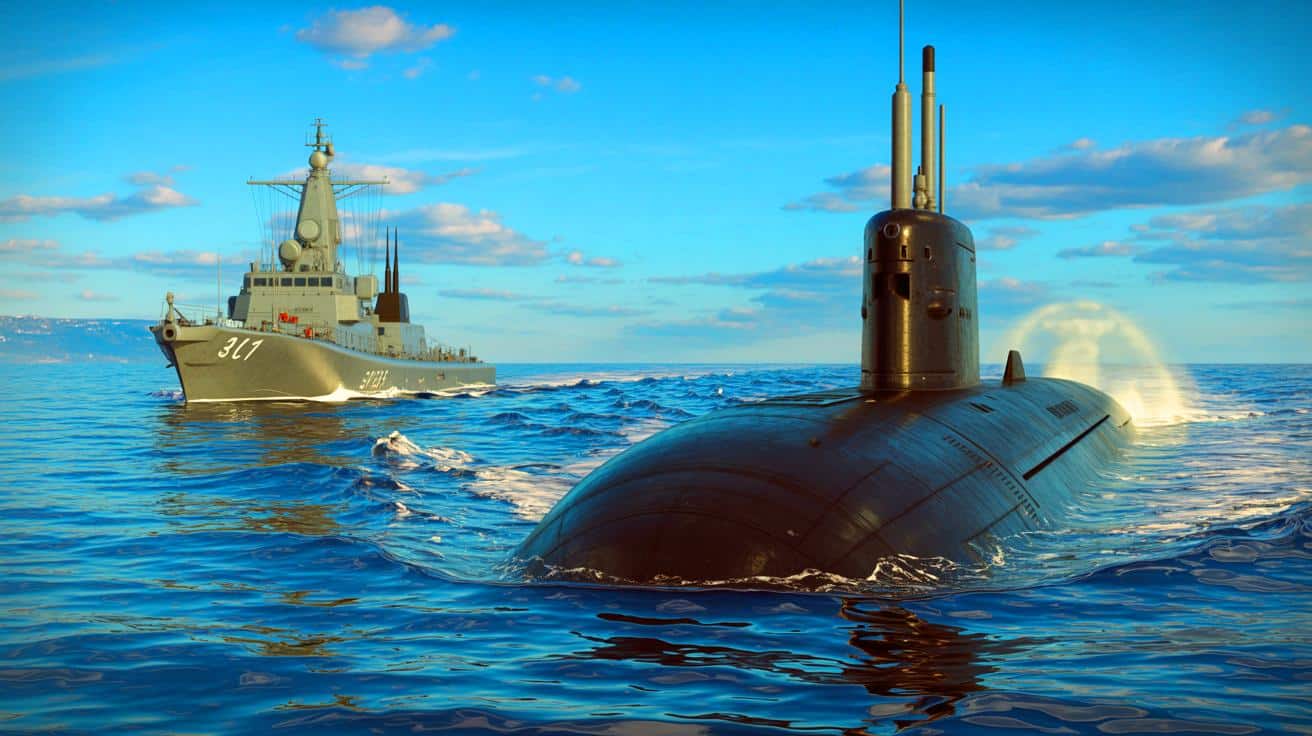
The Russian submarine Novorossiysk made headlines when it unexpectedly surfaced off the coast of France. Officially, the Kremlin stated that the surfacing was in compliance with international maritime transit rules for the English Channel. However, reports from social media accounts linked to Russian security forces suggest otherwise. According to these channels, the submarine may have experienced a significant fuel leak, forcing it to surface to address the issue.
The Novorossiysk, a Kilo-class diesel-electric submarine commissioned in 2012, reportedly faced a shortage of spare parts and lacked qualified specialists on board to handle the malfunction. This has fueled speculation about the potential risks the submarine poses, including the possibility of an explosion. The situation has raised concerns about the readiness and reliability of Russia’s naval capabilities, particularly in light of recent military tensions.
International Response and Monitoring
Following the surfacing of the Novorossiysk, NATO allies responded swiftly. The submarine’s course north was closely monitored by a French warship, an English vessel, and later by a Dutch hydrographic recording vessel accompanied by an NH90 combat helicopter. The Dutch navy issued a statement emphasizing the importance of vigilance in preventing potential sabotage of submarine infrastructure by Russian ships.
While Russia maintains the right to transit international waters, the incident underscores the cautious approach taken by NATO countries in the current geopolitical climate. The presence of a Russian tugboat, Yakov Grebelskiy, towing the submarine further fueled suspicions about the true state of the Novorossiysk. This incident serves as a reminder of the intricate balance of power and the need for constant monitoring in international waters.
Escalating Tensions and Provocations
The incident with the Novorossiysk is part of a broader pattern of Russian provocations against European nations. NATO Secretary General Mark Rutte, speaking at a conference in Slovenia, highlighted several recent hostile actions attributed to Russia. These include drone overflights, suspected cable-cutting operations, cybersabotage, and military build-ups on various national borders.
Despite these provocations, Rutte emphasized that Russia’s military capabilities should not be overestimated. He pointed out that Russia has faced significant setbacks, such as failing to advance in Ukraine and losing military assets in Syria. The Novorossiysk incident has further fueled the narrative that Russia’s naval strength may not be as formidable as once perceived, with Rutte humorously comparing the situation to a hunt for the “nearest mechanic” rather than a formidable naval presence.
The Broader Implications for Global Security
The surfacing of the Novorossiysk and the subsequent international response shed light on the broader implications for global security. As nations continue to navigate the complexities of maritime law and geopolitical tensions, incidents like this highlight the importance of vigilance and preparedness. The situation also underscores the ongoing challenges faced by Russia in maintaining its naval fleet amidst international scrutiny.
With increasing military activities and provocations, NATO and its allies are tasked with ensuring the security of international waters and preventing potential escalations. The Novorossiysk incident serves as a poignant example of the delicate balance required to manage international relations and maintain global security in an ever-evolving political landscape.
The Novorossiysk’s unexpected surfacing has reignited discussions about Russia’s naval capabilities and the broader implications for international relations. As nations remain vigilant in monitoring maritime activities, the incident raises questions about the future of global security and the measures needed to prevent potential conflicts. How will international maritime policies evolve to address these ongoing challenges?