


Trump Labels Troops’ Refusal of Illegal Orders as “Seditious,” Stirring Debate on Military Obedience and Ethics
 By
Adam Kovács
By
Adam Kovács
| IN A NUTSHELL |
|
In a recent escalation of political rhetoric, former President Donald Trump accused six Democratic lawmakers of sedition following a video in which they urged military personnel to disobey illegal orders. The incident underscores ongoing tensions surrounding Trump’s controversial deployment of National Guard troops across various U.S. cities. The Democratic lawmakers, all with military backgrounds, emphasized their commitment to the Constitution and warned against unlawful directives. Trump’s response, including social media posts suggesting severe punishment, has drawn widespread criticism and sparked a heated debate on the limits of presidential power and the responsibilities of military personnel to uphold democratic principles.
Trump’s Accusations and Social Media Outburst
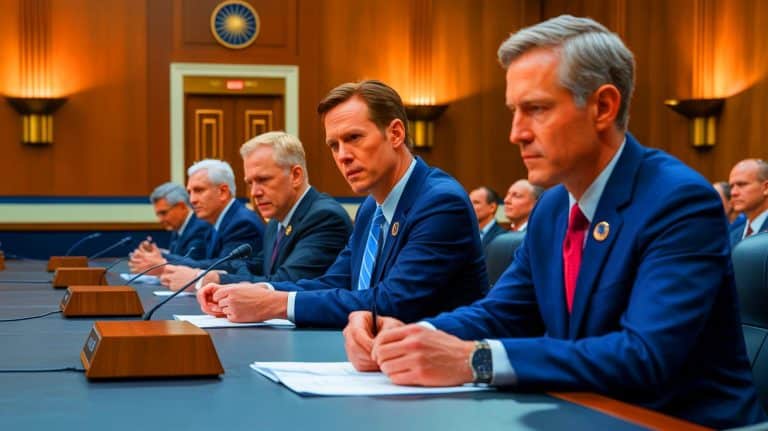
Former President Donald Trump took to his social media platform, Truth Social, to accuse six Democratic lawmakers of seditious behavior. His allegations followed a video message in which the lawmakers encouraged U.S. armed forces to refuse illegal orders. The video featured prominent Democrats including Sens. Elissa Slotkin and Mark Kelly, and Reps. Chris Deluzio, Chrissy Houlahan, Maggie Goodlander, and Jason Crow, all of whom have military or national security backgrounds.
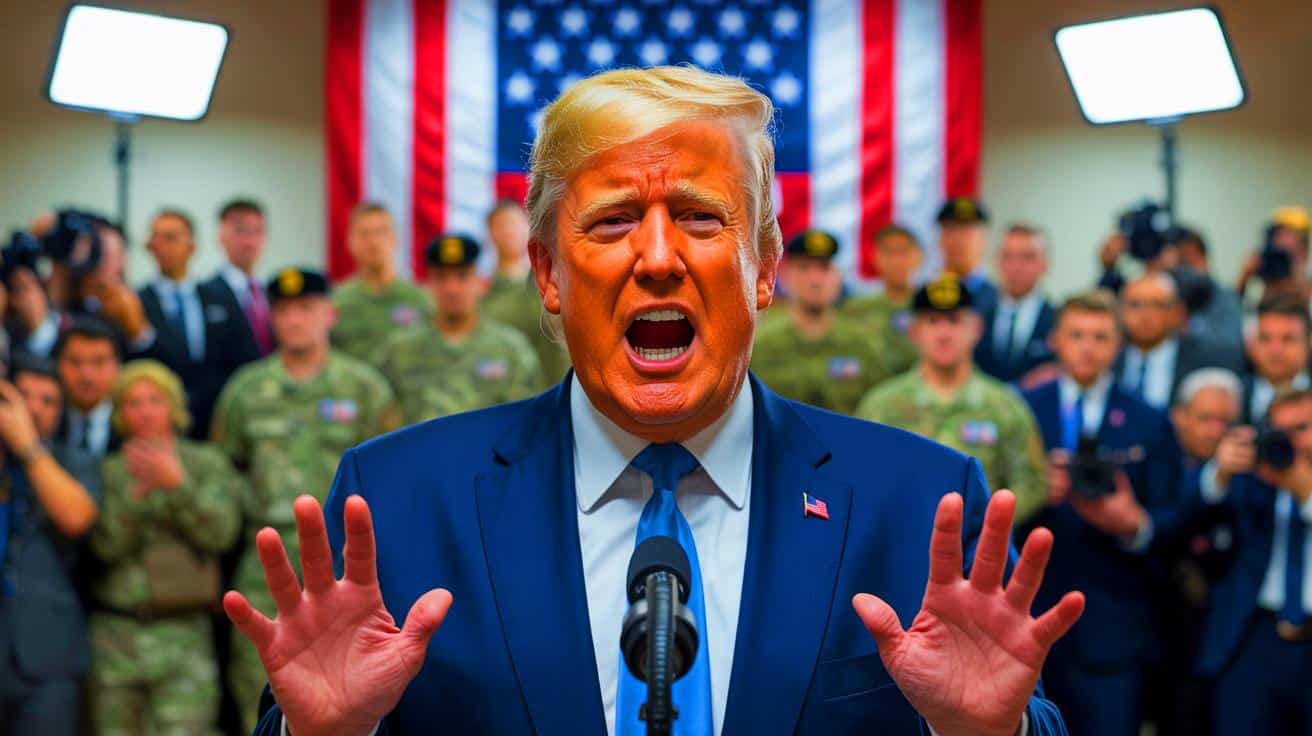
Trump’s posts were emphatic, with one declaring, “SEDITIOUS BEHAVIOR, punishable by DEATH!” This rhetoric was further inflamed by a repost from a user suggesting that the lawmakers should be hanged. Trump’s reaction reflects his continued influence over a segment of the population that views his statements as calls to action. The legality and ethics of his assertions are under scrutiny as they challenge the balance between free speech and incitement to violence.
The Democratic Lawmakers’ Message
The video message from the Democratic lawmakers was a direct appeal to current military and intelligence personnel. The lawmakers highlighted their own experiences in the military and national security sectors to lend credibility to their message. They emphasized the oath to protect and defend the Constitution, asserting that threats to this foundational document were not only external but also internal.
In the video, they stated, “Our laws are clear: You can refuse illegal orders.” This statement has become a focal point in the debate over the nature of military obedience and the potential consequences of following unlawful commands. The lawmakers’ message reflects a growing concern about the politicization of the military and the potential erosion of democratic norms under the guise of lawful orders.
Response From the White House
White House Press Secretary Karoline Leavitt addressed the media’s questions regarding whether Trump’s statements implied a desire to execute the lawmakers. She denied such intentions, explaining that Trump was reacting to what he perceived as a conspiracy by the lawmakers to encourage defiance of presidential orders. Leavitt argued that all orders given by Trump through the chain of command were lawful, thus framing the lawmakers’ video as a dangerous misrepresentation of the president’s directives.
Leavitt’s comments underline the administration’s stance that the video was an act of defiance against legitimate authority. This interpretation raises questions about the boundaries of lawful orders and the extent to which military personnel can exercise discretion in their implementation. The administration’s position highlights the tension between maintaining order and preserving constitutional rights.
Political Repercussions and Public Responses
Trump’s comments have sparked a strong reaction from various political leaders. Senate Minority Leader Chuck Schumer criticized Trump’s rhetoric, warning that it could incite political violence, as seen in past events like the January 6 Capitol riot. Schumer called for a collective denunciation of such threats, emphasizing the potential dangers of normalizing calls for violence against political opponents.
House Judiciary Committee Chair Jamie Raskin urged the Speaker of the House to condemn Trump’s statements. The Democratic lawmakers involved in the video reiterated their commitment to their constitutional oath, asserting that intimidation would not deter them from their responsibilities. This incident highlights the ongoing struggle to maintain civil discourse and political accountability in an increasingly polarized environment.
The incident involving Trump and the Democratic lawmakers raises significant questions about the balance of power and the responsibilities of public officials. As the debate unfolds, it challenges Americans to consider the implications of political rhetoric on democratic institutions and the rule of law. How can the nation reconcile the need for robust political discourse with the imperative to safeguard democratic principles?
Continue reading