


US Shutdown Nears End, Revealing New Challenges in Allied Intel-Sharing and the Cost of Military Occupations
 By
Adam Kovács
By
Adam Kovács
| IN A NUTSHELL |
|
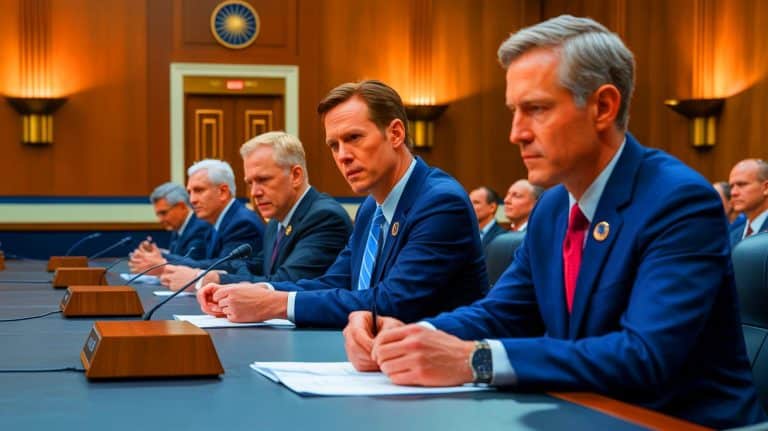
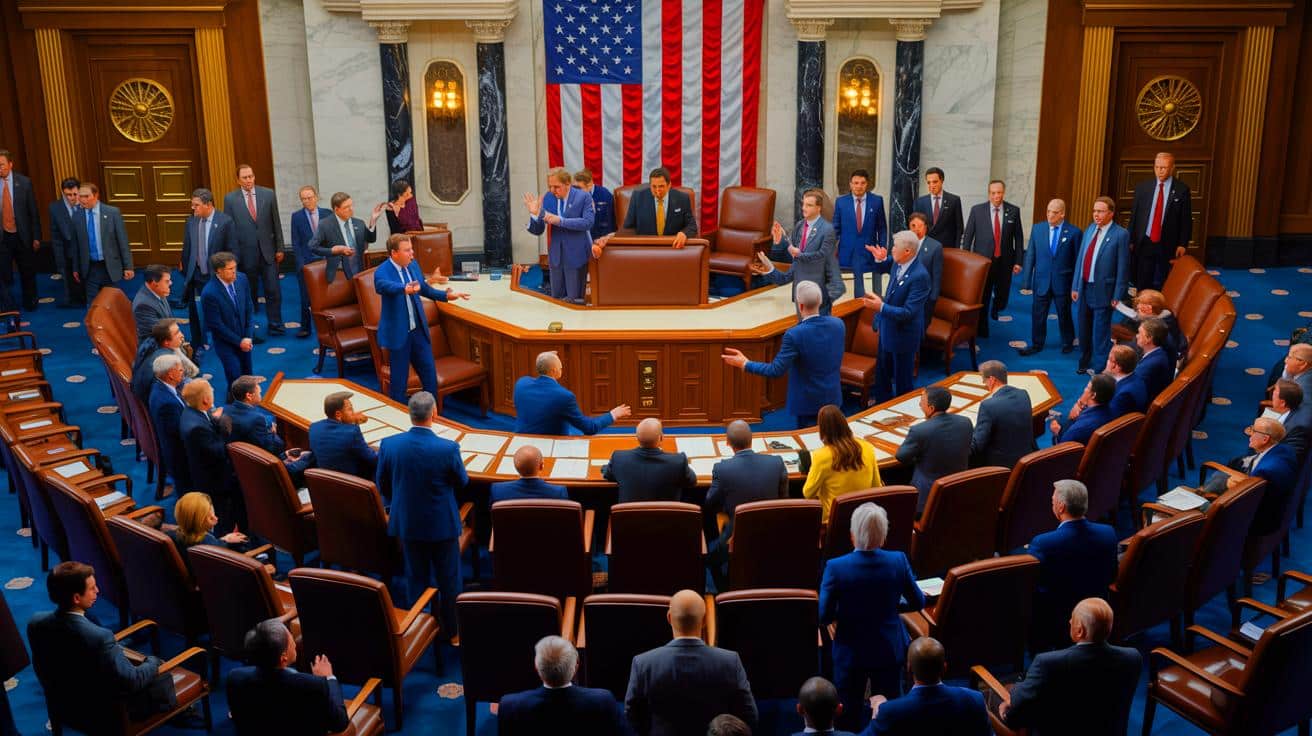
As Congress prepares to vote on a deal to end the longest government shutdown in U.S. history, the implications of this event are far-reaching. The 43-day shutdown has not only affected government workers but has also highlighted significant challenges within the Defense Department and among international alliances. With tensions simmering around budget allocations and military priorities, this moment presents a critical juncture for lawmakers and military leaders alike. As the nation waits for the outcome of the vote, the broader consequences of prolonged political gridlock become increasingly evident, affecting everything from defense spending to military readiness and international relations.
The End of the Shutdown: A Fragile Compromise
After weeks of political stalemate, a deal to end the 43-day government shutdown is finally within reach. This agreement, which has already cleared the Senate, will temporarily fund the Defense Department through January 30. Although it promises to reverse over 4,000 layoffs, the deal has not entirely satisfied either political party. Democrats did not secure the health insurance provisions they sought, while Republicans face criticism for their handling of the shutdown. Voter sentiment, as reflected in recent polls and elections, has been less than favorable towards the GOP.
The shutdown has spotlighted the vulnerabilities in government operations, particularly within the Defense Department. The use of continuing resolutions to fund defense initiatives means that military branches may have to further prioritize their missions. This type of short-term funding creates uncertainty, forcing difficult decisions about which projects to pursue. The situation underscores the need for more stable budgetary planning to ensure national security and operational readiness.
International Military Alliances Under Strain
The shutdown’s ripple effects extend beyond domestic issues, affecting international military alliances. The British military has paused intelligence-sharing with the Pentagon over concerns about U.S. military strikes on alleged drug-trafficking boats in the Caribbean. This cessation reflects broader apprehensions about the legality and ethicality of these actions. Canada and Colombia have also halted intelligence exchanges, citing similar concerns.
This disruption in intelligence-sharing highlights the delicate balance in international military cooperation. The U.S. has conducted multiple strikes in international waters, reportedly killing 76 individuals and raising questions about the criteria for such actions. These developments have strained relationships with key allies and could impact future collaborations. The situation illustrates the complex interplay between national defense strategies and international norms, requiring careful navigation to maintain global alliances.
Defense Spending and Military Priorities
Beyond the immediate effects of the shutdown, the ongoing debate over defense spending priorities continues to unfold. The Air Force’s E-7 Wedgetail radar jet funding has been a contentious issue. Initially intended to replace the aging E-3 Sentry aircraft, the program’s costs have ballooned, leading to criticism from defense officials. Despite this, the funding was included in the shutdown-ending deal, reflecting Congress’s cautious approach to airborne warning capabilities.
The controversy over the E-7 program underscores the challenges in military procurement and budgeting. Defense Secretary Pete Hegseth has expressed doubts about the platform’s viability in modern warfare, citing delays and cost overruns. The situation raises questions about the effectiveness of current defense spending strategies and the need for reform in military acquisitions to ensure that resources are allocated efficiently and effectively.
Middle East Defense Dynamics
As the U.S. navigates domestic and international defense challenges, its focus on the Middle East remains critical. A potential defense pact with Saudi Arabia is under negotiation as Crown Prince Mohammed bin Salman prepares for a visit to the White House. This agreement may include weapon sales and security guarantees, although it is unlikely to reach the level of a legally binding treaty. The discussions also touch on Saudi-Israeli relations, contingent on progress towards a Palestinian state.
These negotiations reflect the intricate dynamics of U.S. Middle East policy, where security interests often intersect with broader geopolitical considerations. The involvement of figures like Jared Kushner, who has financial ties to Saudi interests, adds another layer of complexity. As the U.S. seeks to balance its strategic objectives with regional stability, the outcomes of these discussions could have lasting implications for Middle East peace and security.
As the government shutdown nears its end, the broader implications for U.S. defense policy and international relations come into sharp focus. The challenges faced by military leaders and policymakers underscore the need for strategic thinking and collaboration. In an increasingly interconnected world, how will the U.S. navigate these complexities to ensure national security while maintaining global partnerships?
Continue reading