


US Seizes Tanker as House Passes $901B Defense Bill, Sparking Debate on National Security and Economic Impact
 By
Adam Kovács
By
Adam Kovács

| IN A NUTSHELL |
|
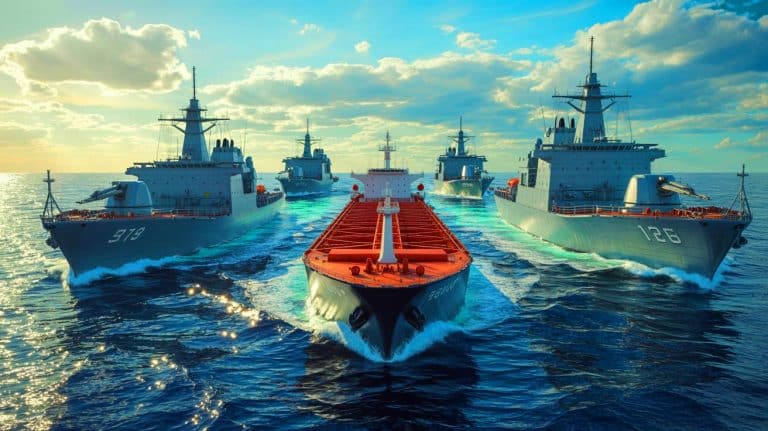
In a dramatic international incident, U.S. forces seized a tanker ship that was allegedly transporting oil from Venezuela to Iran. This operation, announced by President Trump, has sparked a heated debate about international law and U.S. foreign policy. The tanker, reportedly named “Skipper,” was falsely flying a Guyanese flag, according to maritime officials from Guyana. The seizure has drawn condemnation from Venezuelan and Iranian officials, who have labeled it an act of piracy and a violation of international norms. As tensions rise, this incident underscores the complexities of global energy politics and the U.S.’s strategic interests in the region.
U.S. Military Actions and International Reactions
The recent seizure of the oil tanker highlights the ongoing geopolitical tensions involving the U.S., Venezuela, and Iran. This action comes amidst a backdrop of heightened military presence in the region, reminiscent of the Cuban Missile Crisis. The U.S. administration has been actively targeting alleged drug-trafficking routes off the Latin American coast, a campaign that has resulted in significant loss of life and raised concerns about potential war crimes. Critics argue that such actions lack due process and could escalate into broader conflicts.
Venezuelan officials have reacted strongly, accusing the U.S. of piracy and theft. Similarly, Iranian officials have condemned the seizure as a grave violation of international laws. This incident not only strains diplomatic relations but also impacts the global oil supply chain, which is already under pressure due to various geopolitical factors. Analysts suggest that while the seizure may not immediately alter oil supply dynamics, it contributes to an atmosphere of uncertainty and tension.
The National Defense Authorization Act: A Controversial Passage
As the U.S. grapples with international incidents, domestically, the House has passed a $901 billion National Defense Authorization Act (NDAA) with a significant majority. This bill, however, has not been without controversy. Fiscal hawks have criticized the bill for exceeding the budget requested by President Trump. Moreover, there are concerns about the bill’s provisions related to military construction projects and its limited reinforcement of Congress’s role in matters of war and peace.
Critics, including Rep. John Garamendi, have expressed concerns that the current administration’s policies could lead to unauthorized military conflicts, particularly in Venezuela. There’s a growing call for Congress to exercise greater oversight and ensure that military actions are well-regulated and justified. The diversion of funds intended for military readiness to immigration-related actions has also been a point of contention, raising questions about the priorities of the current administration.
Deployment of Troops in U.S. Cities Sparks Debate
The deployment of National Guard troops to various U.S. cities under the Trump administration has sparked a debate on federalism and the appropriate use of military force. NORTHCOM’s Gen. Gregory Guillot, along with other officials, has testified before Congress regarding these deployments, which were initiated to support federal law enforcement efforts. However, these actions have faced legal challenges, with several judges ruling them unconstitutional or unnecessary.
In particular, the use of National Guard troops in Washington, D.C., Los Angeles, and other cities has been contentious. Critics argue that these deployments undermine the principles of federalism and could set a dangerous precedent for future administrations. The legal battles surrounding these actions highlight the ongoing tension between state and federal authorities and the need for clear guidelines on the use of military forces within the U.S.
Business and Geopolitical Tensions with Russia
The U.S. has been engaging in diplomatic efforts to resolve ongoing conflicts involving Russia. A recent proposal to boost investment in Russia as part of a broader peace plan has been met with skepticism by European allies. The plan, reportedly pitched by a Putin envoy, involves ending the conflict in Ukraine with territorial gains for Russia, followed by increased foreign investment.
European officials have expressed concerns that such a plan could strengthen Russia’s economy and military capabilities at a time when it is already facing economic challenges. The clash over this proposal underscores the complexities of international diplomacy and the balancing act between economic interests and security concerns. As the U.S. navigates these challenges, the implications for global stability and alliances remain uncertain.
The recent developments in U.S. foreign and domestic policy reflect a complex and evolving landscape. From international incidents involving oil tankers to domestic debates over military funding and troop deployments, these issues highlight the intricate interplay between geopolitics and national security. As the U.S. continues to navigate these challenges, what strategies will emerge to balance international diplomacy with domestic priorities?
Continue reading