



Space Force’s New Special Ops Plan Sparks Congressional Questions, Revealing Potential Impact on Military Strategy and Security
 By
Adam Kovács
By
Adam Kovács
| IN A NUTSHELL |
|
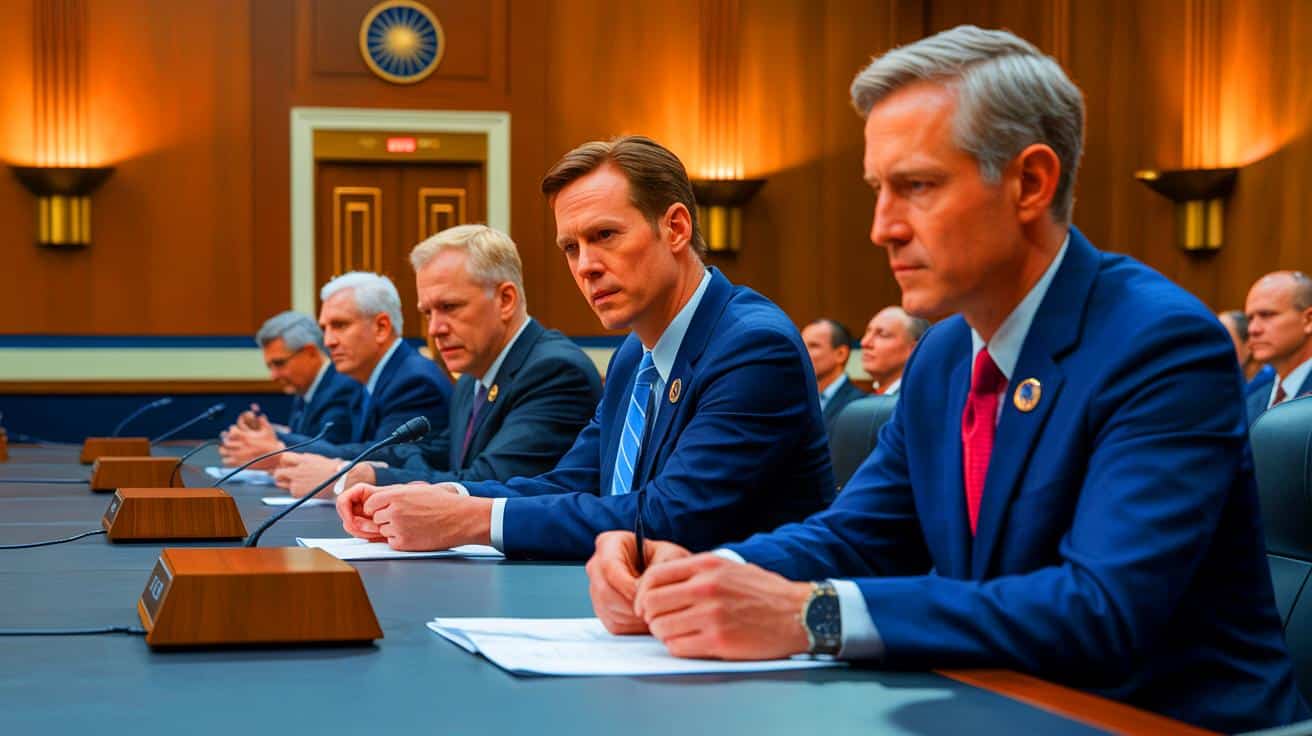
The United States Congress is putting the brakes on the establishment of a Space Force Special Operations Component Command, demanding a clear rationale before committing taxpayer dollars. The proposal, initially hinted at in March by the then-head of U.S. Special Operations Command, is now under scrutiny. Lawmakers have inserted a provision in the National Defense Authorization Act, requiring a comprehensive report before any funds are released. This move raises questions about the necessity of such a component and its implications for military strategy.
Rationale Behind the Proposal
The Space Force’s push for a Special Operations Component Command stems from its broader strategy to establish operational units similar to other military branches. Since November 2022, the Space Force has been setting up components within various combatant commands, including Indo-Pacific, Central, Africa, and European Commands. These components aim to integrate space activities into shared military operations, leveraging the unique capabilities of the Space Force to support combatant commanders.
Proponents argue that these units are essential for ensuring seamless cooperation across military domains. The Space Force is following a model used by other branches, providing specialized troops and domain experts to enhance operational efficiency. However, this approach has led to debates about redundancy, especially given the existence of U.S. Space Command, which already oversees similar operations.
Critics question whether the establishment of a Space Force Special Operations Component Command is necessary. The overlap between the Space Force and Space Command has been cited as a potential source of bureaucratic struggle. Defense experts, like Todd Harrison from the American Enterprise Institute, acknowledge the need for congressional oversight. They emphasize that the creation of a new component should not duplicate existing efforts but rather complement them.
Congressional Oversight and Conditions
The recently passed National Defense Authorization Act includes a provision that prevents the allocation of funds for the proposed component until a detailed report is submitted to Congress. This report must address several key aspects, including the timeline for implementation and the personnel requirements for both military and civilian roles. Lawmakers are particularly interested in understanding the administrative and command relationships between the proposed component and existing entities like SOCOM, Space Command, and the Space Force itself.
By demanding this report, Congress seeks to ensure that taxpayer money is spent wisely. The requirement for transparency reflects a broader concern about the efficiency and necessity of new military structures. The report must clearly outline the potential benefits and challenges associated with the establishment of the component, providing lawmakers with the information needed to make an informed decision.
The move also highlights the importance of accountability in defense spending. Congress is exercising its oversight role to prevent unnecessary duplication of efforts and ensure that new initiatives align with the broader strategic goals of the Department of Defense. This approach underscores the need for a clear, coherent military strategy that maximizes the effective use of resources.
The Role of Space Force in Military Operations
The Space Force has been actively involved in military operations, collaborating with other branches to enhance joint capabilities. Training exercises with Air Force Special Operations Command have demonstrated the potential for space-based technologies to support special operations missions. For instance, during a recent exercise, a Space Force squadron simulated satellite communication and GPS-based electromagnetic interference to create a challenging operational environment.
These exercises showcase the value of integrating space capabilities into broader military operations. The Space Force’s unique expertise can provide critical support to combatant commanders, enhancing situational awareness and operational effectiveness. However, the question remains whether a dedicated Special Operations Component Command is necessary to achieve these goals.
Gen. Chance Saltzman, the chief of space operations, has expressed support for the establishment of service components, emphasizing their role in normalizing the presentation of space forces. He argues that these components are essential for clarifying command relationships and responsibilities within the Joint Force. Yet, the debate over their necessity continues, with experts weighing the potential benefits against the risks of redundancy and inefficiency.
Challenges and Considerations
The proposal for a Space Force Special Operations Component Command raises several challenges and considerations. One major concern is the potential for logistical friction between the Space Force and Space Command. With both organizations focusing on space operations, the risk of overlapping responsibilities and bureaucratic struggles is significant. These issues could hinder the development and deployment of space capabilities, affecting the overall effectiveness of military operations.
Robert Farley, a senior national security lecturer, has raised questions about the practical implications of deploying Space Force personnel for special operations missions. The Space Force is a relatively small service, lacking the extensive infrastructure and personnel needed for such roles. This raises concerns about the feasibility of integrating guardians into special operations contexts and the potential strain on existing resources.
Additionally, the creation of a new component must be carefully balanced with existing operational needs. While the Space Force’s capabilities are valuable, their integration into joint operations should enhance, not complicate, military efforts. This requires a clear understanding of the roles and responsibilities of each organization, ensuring that new initiatives align with strategic objectives and do not duplicate existing efforts.
The debate over the necessity of a Space Force Special Operations Component Command is a reflection of broader questions about the future of military operations in space. As Congress scrutinizes the proposal, it must weigh the potential benefits against the risks of redundancy and inefficiency. How will military strategies evolve to incorporate space capabilities effectively, and what role will the Space Force play in this dynamic landscape?