

Hidden european islands you need to visit
 By
Adam Kovács
By
Adam Kovács
|
IN A NUTSHELL |
|
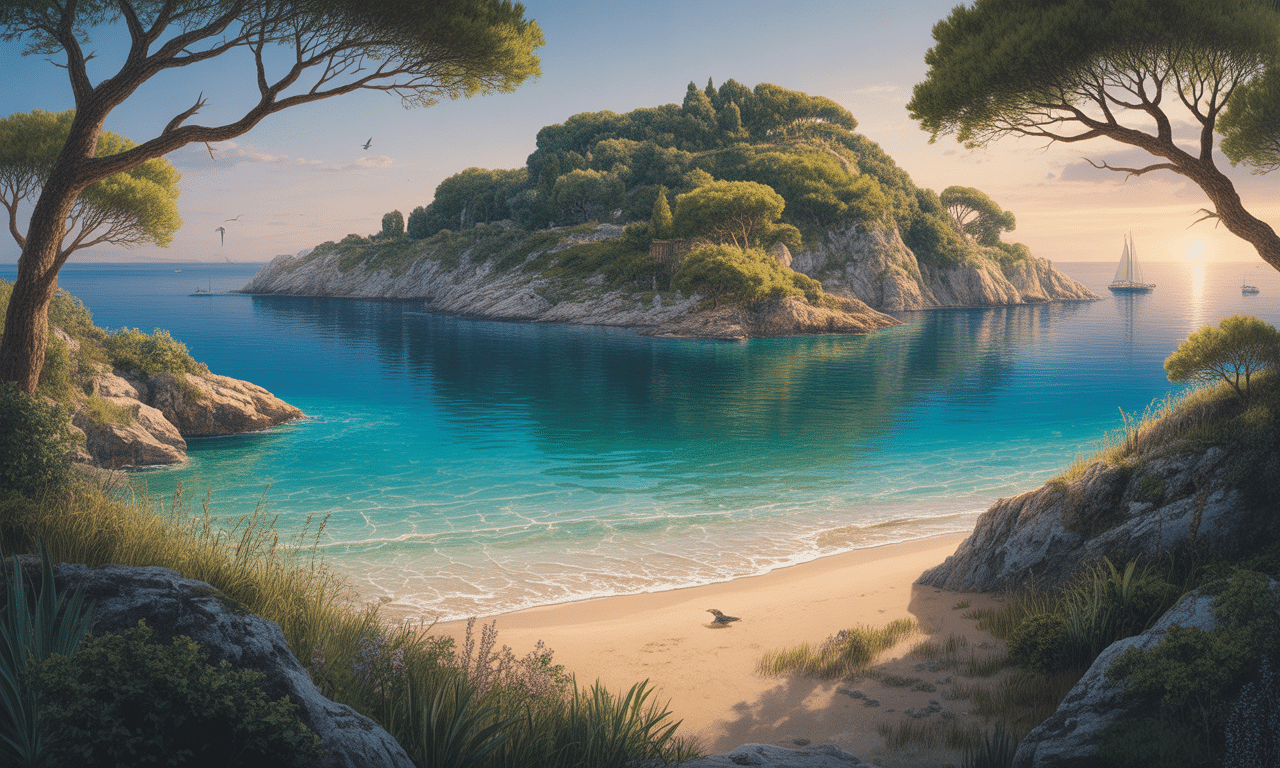
The bright, familiar names, Santorini, Capri, Ibiza, dominate travel pages, but a quieter revolution is underway: Europe’s hidden islands are staging a comeback among travellers who want more than postcard views. These lesser-known destinations promise an alternative: escape the crowds, preserved traditions, and landscapes that range from volcanic craters to pink sand coves. Islands such as Vis, Procida, Porquerolles, Nisyros, La Maddalena, Flores, Hvar, and Saaremaa offer quiet harbours, family-run tavernas, and nature that feels unspoiled rather than staged.
Argumentatively, choosing these refuges is pragmatic: you secure better value for accommodation and dining, enjoy more authentic local culture, and encounter distinctive experiences, a walk inside a volcanic caldera, car-free cycling across Mediterranean sands, or remote waterfalls in the Atlantic. They reward curious travellers with quieter beaches and genuine hospitality. Practicalities matter: many require ferries or short flights, so travellers who favour spring and early autumn will find agreeable weather, fewer visitors, and lower prices when these islands reveal their real character.
Escape the crowds and noise
Hidden islands offer a compelling alternative to the packed promenades and Instagram queues of mainstream destinations. When you choose quieter shores you are not simply changing scenery; you are changing the entire logic of your trip. Instead of scheduling your life around how to beat the crowds, you can build an itinerary that prioritizes rest, slow exploration, and authentic encounters. This is not a marginal preference, it is a rational response to overtourism and the declining quality of many celebrated hotspots.
Quiet beaches, empty coves, and towns where locals still move at local rhythms let you reclaim travel as a restorative activity. On islands like Vis or Procida, mornings are for coffee at a corner bar rather than fighting for a sunbed. The economic case is strong too: lower demand translates into lower prices for accommodation, meals, and excursions. That means you can spend more time sampling regional cuisine or booking a private boat trip without inflating your budget.
Practical arguments support this choice. Less crowded islands reduce the friction in travel logistics, you spend less time in lines and more time doing what you came to do. Environmental arguments matter as well: fewer visitors cause less wear on fragile landscapes and help maintain the character that makes these places worth visiting. If you want curated lists of lesser-known islands, sources like ProTraveler and IslaGuru archive strong alternatives to mainstream picks.
Choosing a hidden island is therefore not just a whim; it is a deliberate strategy to maximize pleasure, minimize stress, and support sustainable tourism. For those arguing about the value of slow travel versus the spectacle economy, hidden islands are the most convincing proof: you get superior experiences at lower cost and with a lighter footprint. That combination is hard to beat.
Experience authentic local culture
Hidden islands preserve cultural textures that become diluted on mass-tourism routes. On many lesser-visited islands, family-run tavernas still prepare recipes passed down through generations, and village festivals retain a communal cadence rather than a tourist schedule. Visiting such places lets you witness living traditions instead of staged performances. The result is a richer, more meaningful travel experience.
Take Procida with its pastel harbors and fishermen’s routines; here the streets tell stories through architecture and daily life rather than souvenir kiosks. Or consider Saaremaa, where windmills, medieval churches, and quiet lanes speak to a different historical continuity than crowded coastal resorts. When you prioritize authenticity, you are voting with your feet for tourism that sustains communities rather than displaces them.
Authenticity also translates into human encounters. Locals on smaller islands are more likely to have time to talk, share tips, and invite you into small-scale cultural practices, from homemade wine tastings to impromptu seafood feasts. That access is not a guarantee, but it is a structural advantage of visiting places where tourism is not the dominant industry. For curated recommendations that emphasize cultural depth, consult resources like LikeWhereYoureGoing or the practical lists at RoughMaps.
Choosing islands for their cultural authenticity challenges the mainstream travel narrative and rewards curiosity. If you are arguing about whether tourism should be extractive or reciprocal, the way you spend your days on a hidden island answers that question in practice: you invest in experiences that enrich both visitor and host.
Value for money and seasonal strategy
From an economic standpoint, smaller islands routinely outperform better-known destinations on one crucial metric: value. Lower accommodation rates, affordable tavernas, and cheaper activities mean you can extend your stay or upgrade the quality of what you do. If you care about maximizing return on travel investment, opting for a hidden island is a straightforward decision. Less spending does not equate to less quality, often it yields the opposite.
Timing amplifies that value. Traveling in the shoulder seasonsspring and early autumn, gives you near-summer weather with far fewer visitors and off-peak prices. Many islands that feel crowded in July and August are almost private in May or September, offering an ideal combination of accessibility and tranquility. For practical planning, check local ferry timetables and seasonal flight schedules well in advance: many of these islands rely on limited connections that change outside peak months.
Risk management also favors hidden islands. With fewer people, you face shorter queues, less competition for local guides, and greater bargaining power for services. Environmental considerations bolster the argument: traveling off-peak reduces stress on local ecosystems and helps distribute visitor impact over time. If you want comparative lists and cost-focused guides, see the affordability-focused collections at RoughMaps and the broader round-ups at World Wild Schooling.
Strategic timing and a willingness to choose lesser-known destinations lead to richer experiences per euro spent, a pragmatic argument that appeals to both budget travelers and those seeking higher quality.
Spotlight: Vis, Procida, and La Maddalena
These three islands exemplify why hidden destinations matter. Vis, once closed to outsiders for military reasons, preserved its stone villages and secluded bays. It offers authentic Dalmatian life, quiet harbors, and natural features like the Blue Cave and Stiniva Beach. The argument for visiting Vis is straightforward: you get coastal beauty without the noise of Croatia’s more famous islands.
Procida, near Naples, counters the myth that every Italian island is overrun. Its pastel houses and the working harbor of Marina Corricella make for intimate, colorful strolls. Procida rewards slow walkers and food lovers who prefer neighborhood trattorias to glitzy tourist restaurants.
La Maddalena presents a different but equally persuasive case: an archipelago of crystalline waters and deserted coves that rivals Caribbean beaches, yet remains affordable and accessible by short boat hops. The area is part of a national park, which preserves its marine and coastal integrity. These islands are not obscure by accident; their charm is a byproduct of protection and low-key visibility.
| Island | Main highlights | Access | Best months |
|---|---|---|---|
| Vis | Blue Cave, secluded bays, authentic villages | Ferry from Split; occasional flights | May, June, Sept |
| Procida | Marina Corricella, pastel streets, local cuisine | Ferry from Naples | April, June, Sept, Oct |
| La Maddalena | Archipelago beaches, national park, boat trips | Ferry from Sardinia | May, Sept (shoulder months preferred) |
These examples are not merely picturesque; they illustrate how reduced visitation, legal protection, and local practices combine to produce superior travel outcomes. For deeper lists and alternative picks, see curated roundups at ProTraveler and the themed collections on IslaGuru.
Offbeat adventures: Nisyros, Flores, Saaremaa and Porquerolles
These islands make a convincing case for travel diversity. Nisyros offers a geological argument: an active volcanic caldera you can walk into, warm steam vents, and quiet white villages where hospitality remains uncommodified. Visiting Nisyros gives you both the spectacle of unusual geology and the intimacy of island life, an argument that beats the predictable postcard images of crowded caldera views elsewhere.
Flores in the Azores argues for remote wilderness: waterfalls, crater lakes, and lush cliffs that reward hikers and photographers. The island’s remoteness keeps visitor numbers low, which both preserves its ecosystems and amplifies the reward for those willing to invest the travel time. For planning remote hikes and coastal treks, resources like the Visegrad Post’s coverage of Europe’s coastlines and trails are useful: see beautiful coastlines and top hiking trails.
Saaremaa shifts the argument north: if you want a different European aesthetic, medieval castles, preserved rural architecture, and tranquil Baltic seascapes, this island outperforms many soulless coastal resorts. Kuressaare Castle and the windmill-dotted landscapes support a slower cultural itinerary that rewards curiosity about history and rural life. Porquerolles closes the set with an ecological argument: car-free streets, protected beaches like Plage de Notre-Dame, and cycling routes that make low-impact tourism both practical and pleasurable.
Each island presents a distinct rationale for travel, geological wonder, remote wilderness, historical depth, or ecological design, and together they prove a single point: hidden islands are not less valuable than famous ones, they are differently valuable. For further hidden-island inspiration consult lists like RoughMaps, editorial round-ups at LikeWhereYoureGoing, and broad surveys at World Wild Schooling.
Frequently Asked Questions about Hidden European Islands You Need to Visit
Q: What makes hidden European islands a better choice than famous island hotspots?
A: Hidden islands offer fewer tourists, a more authentic cultural experience, and often significantly better value for money; if you aim to relax, connect with local life, and avoid crowds, these destinations are plainly the smarter choice.
Q: Which lesser-known islands should I prioritize for a first visit?
A: Start with islands that illustrate different appeals: Vis for secluded Adriatic charm, Procida for colorful Italian authenticity, La Maddalena for turquoise beaches, Flores for dramatic Azores landscapes, and Saaremaa for a quiet Baltic experience, each proves why hidden islands matter.
Q: When is the best time to visit these islands to avoid crowds but still enjoy good weather?
A: Travel in spring or early autumn; these shoulder seasons provide pleasant weather, lower prices, and the clear advantage of far fewer tourists, making them objectively the best windows for a superior island experience.
Q: Are hidden islands in Europe affordable?
A: Yes, in general hidden islands deliver stronger value than iconic destinations: expect lower costs for accommodation, dining, and activities while still enjoying exceptional natural beauty and local cuisine.
Q: How do I reach islands that are off the beaten path?
A: Most require combinations of ferries, regional flights, or boat transfers; planning transport in advance is essential because schedules can be limited and missing a connection can derail your itinerary.
Q: Are these islands safe for solo travelers?
A: Absolutely, hidden islands tend to be safe, peaceful, and welcoming; their small communities and low crime rates make them particularly well-suited to solo travelers seeking quiet and reflection.
Q: What activities should I expect on hidden islands?
A: Expect a mix of nature-focused activities, hiking, swimming in secluded coves, boating between islets, and wildlife spotting, plus authentic cultural experiences like family-run restaurants and local wineries that highlight regional traditions.
Q: Which island is best for pristine beaches?
A: For near-Caribbean beaches choose La Maddalena, where white sand and turquoise water rival far-off tropics; for intimate, cliff-encircled coves consider Vis and its secluded bays.
Q: Which hidden island offers a unique geological experience?
A: Nisyros stands out because you can walk into a volcanic crater and witness steaming fumaroles, an unforgettable natural encounter that contrasts with the usual beach-focused island visit.
Q: Are there car-free island options for a peaceful escape?
A: Yes, Porquerolles is notable for its car-free environment that compels exploration by bike or foot, guaranteeing cleaner air, quieter roads, and a more restorative stay.
Q: How should I behave to protect local communities and environments?
A: Respect local customs, support small businesses, avoid littering, and follow conservation rules; being considerate preserves the very authenticity and tranquility that make these islands worth visiting.
Q: Can I combine a visit to quieter corners with more lively scenes?
A: Definitely, places like Hvar demonstrate balance: you can experience vibrant nightlife in the main town but easily escape to quiet villages and secluded beaches for a contrasting, calmer side of island life.
Continue reading