


E.ON’s EU-funded grid upgrade opens room for wind in Hungary
A HUF 230 billion programme backed by the Recovery and Resilience Facility targets substations, lines and meters across a network serving three million.
 By
Katharina Brenner
By
Katharina Brenner
In brief
- E.ON Hungária Group’s grid programme is financed through the EU’s Recovery and Resilience Facility.
- The works are meant to create conditions for 4 GW of extra wind capacity in Hungary by 2030.
- A separate HUF 13 billion in EU support could fund 237,000 new smart meters, mostly in homes.
- Grid capacity now weighs on where companies choose to build plants.
Hungary’s largest distribution upgrade of the moment is being paid for partly with European money: E.ON Hungária Group is reinforcing its electricity network under a programme supported by the EU’s Recovery and Resilience Facility, according to a report in the Budapest Business Journal, first printed in its issue of October 2, 2026. For readers in Central Europe the practical question is what the money changes for wind farms, for households receiving new meters and for companies weighing where to invest.
What the money is building
The physical work is a mix of hardware and software. New substations are being built and existing ones upgraded, while selected stretches of the network are reinforced. Replacing or strengthening power lines and transformers raises the volume of electricity the system can carry. Alongside that, equipment that can be monitored and operated remotely lets engineers step in faster and with more precision when something goes wrong, and automation helps locate faults.
Scale matters here. A network of that length, reaching several million connection points, cannot be rebuilt at once, which is why the programme combines targeted reinforcement with digital control rather than wholesale replacement.
Why wind needs a different kind of grid
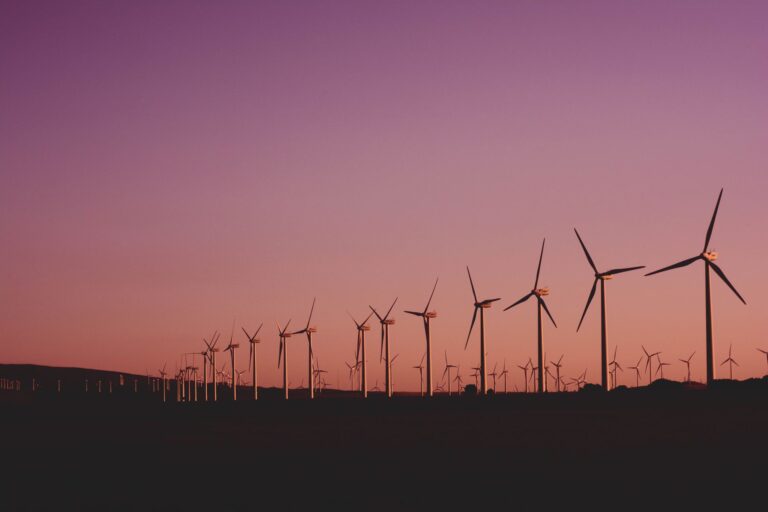
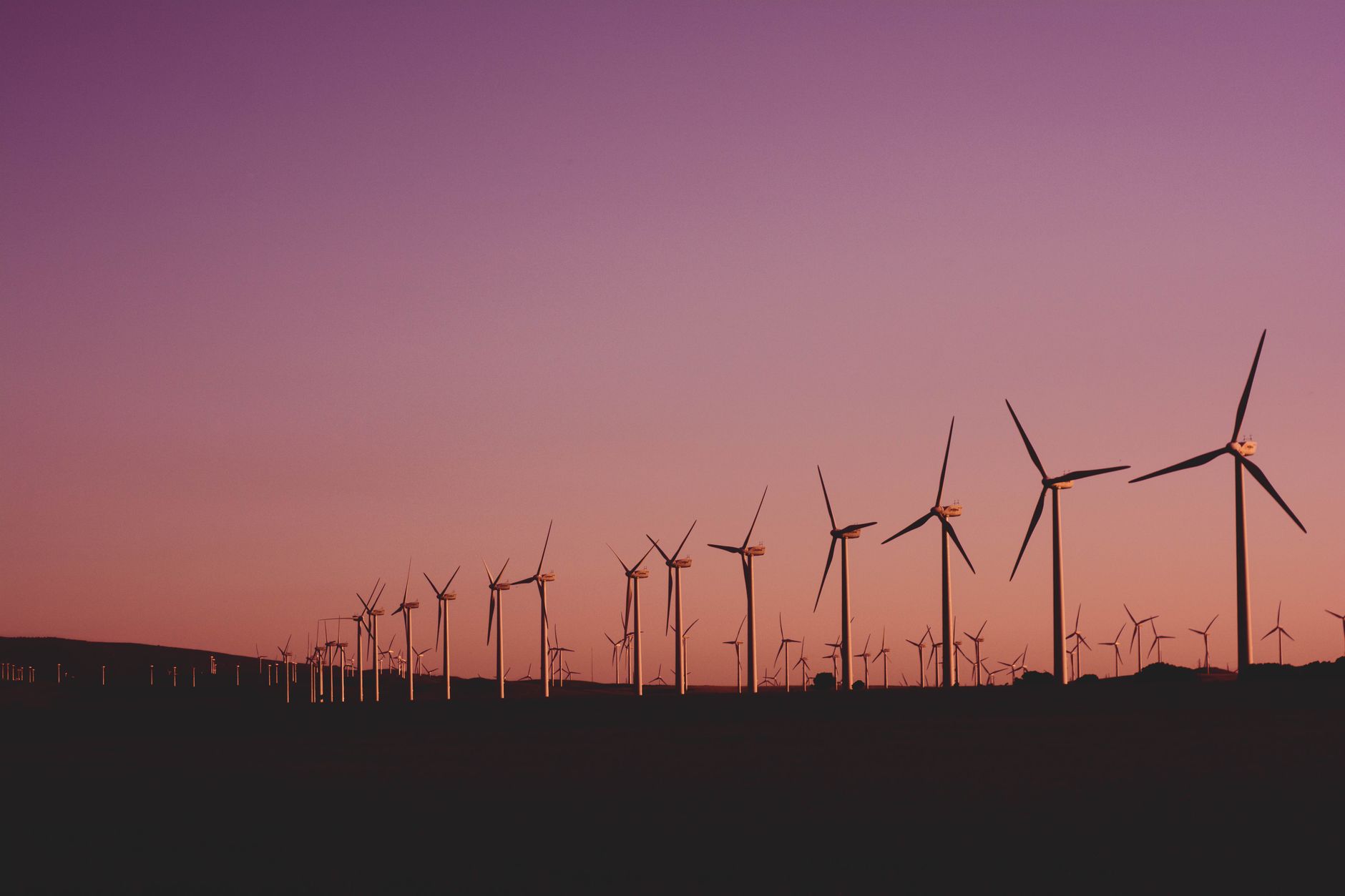
The headline objective is renewable capacity. The investments are designed to create the conditions for an additional 4 GW of wind power in Hungary by 2030, a target the BBJ report ties to the government’s stated intentions. Creating conditions is not the same as building turbines: whether that capacity materialises depends on projects the grid work merely makes possible.
Hungary has so far leaned on solar. Wind would add a second renewable source to the mix and diversify supply. The grid also has to cope with a shift in how power moves. More homes and firms now produce their own electricity, and electric cars, heat pumps and battery storage are spreading. Power that once flowed one way, from plant to consumer, increasingly runs in both directions as some users feed electricity back at certain hours.

What smart meters mean for households
A second strand of funding targets metering. E.ON has obtained a further HUF 13 billion in EU support for smart meters, enough for roughly 237,000 new devices, mostly destined for homes.
- Customers get a finer picture of when they use electricity during the day.
- The operator gains data to plan operations and future reinforcement more accurately.
- That detail is useful for running the energy system as a whole, not just a single household account.
Slow grids, fast investment decisions
For businesses, spare electricity capacity has joined transport links, workforce and supplier networks as a deciding factor in where a new plant goes. The difficulty is timing: a company can choose to buy machinery or expand output within months, while a major grid facility may take years to deliver.
Building everything for the highest loads is not the answer either. Such peaks are rare, so a network sized for them would leave much capacity idle for most of the year. More granular metering data can instead show where real bottlenecks lie and where new lines are justified.
Flexibility offers another lever. Part of the electricity used in industrial and commercial processes can be moved in time within set boundaries. Combined with suitable controls and incentives, that can flatten peak demand and help cut customers’ energy bills.
Photo: Narcisa Aciko / Pexels
Continue reading