


Skates leave their eggs and swim away, so the seabed they choose decides the embryo’s fate
A skate leaves its egg case on the seabed and never returns, so the choice of site decides whether the embryo survives. Warmth and rough rock can both matter.
 By
Katharina Brenner
In brief
- Skates lay tough egg cases and leave them, so the site chosen shapes the embryo’s chances.
- Cold deep water slows development, and a warmer patch of seafloor can shorten the period of exposure.
- A cluster of cases can mean repeated breeding or simple accumulation, and only repeat observation tells which.
A skate does not bury its young or guard them. It lays an egg case, a tough pouch holding an embryo and yolk, and swims away. Whatever happens next depends almost entirely on where that case was left, which is why site choice matters so much for these deep-sea fish.
Questions about Pacific white skate eggs tend to begin with that puzzle: why would a fish place its offspring on a volcanic slope? The answer lies in how skates reproduce and in what a volcano can offer a slow-growing embryo.
What a skate egg case actually is
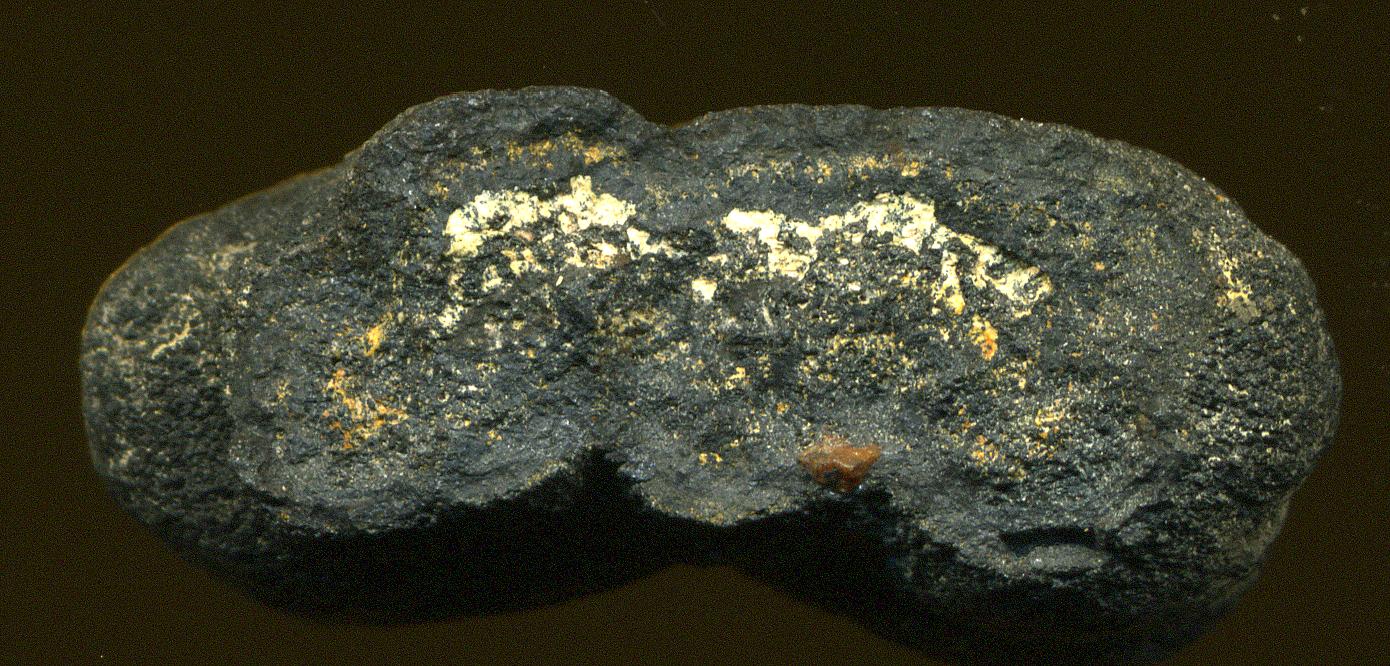
Skates belong to the same broad group as sharks and rays, animals with skeletons of cartilage rather than bone. Unlike many rays, which give birth to live young, skates are egg layers. Each embryo develops inside a rigid capsule, often with horn-like corners or sticky tendrils that help it catch on rock, coral or other fixed objects. Beachcombers sometimes find empty cases washed ashore and call them mermaid’s purses.
The capsule has two jobs. It shields the embryo from predators and abrasion, and it lets seawater pass through small openings so the developing animal can take in oxygen. The yolk is the only food supply, so the embryo grows at whatever pace its surroundings allow. When it is ready, the young skate emerges as a miniature of the adult.
Why temperature shapes the timetable
In the deep sea, water is cold and food is scarce, and everything runs slowly. Cold slows chemical reactions in a developing embryo, so incubation can stretch across a very long time. That is a risk in itself: the longer a case sits on the seabed, the longer it is exposed to egg-eating animals, burial by sediment and disturbance.
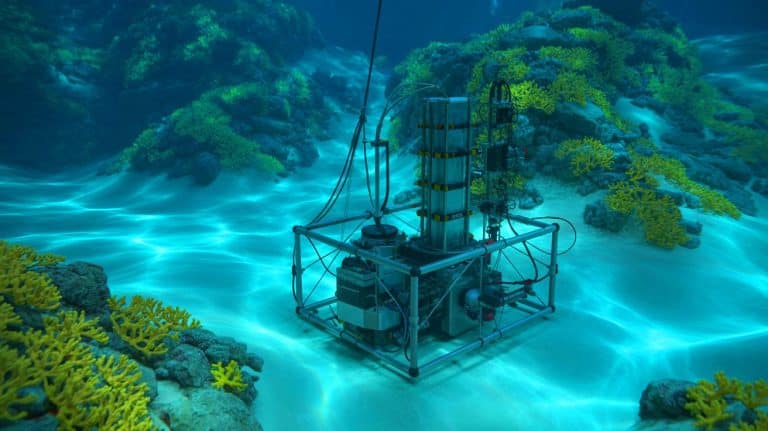
A warmer patch of seafloor can shift that balance. Heat from volcanic activity can raise the temperature of the water and rock immediately around a case, which in principle speeds development and shortens the period of vulnerability. This is a general biological relationship, not a rule that every warm site works as a nursery. Too much heat, or water chemistry that turns harsh, would do harm rather than good.
Reading a volcanic nursery with care
Volcanic terrain offers more than warmth. Hardened lava forms ledges, crevices and rough surfaces where tendrils can anchor and cases can stay in place against currents. Mineral-rich water near vents can also support animal communities that attract other life to the area.
Still, a cluster of egg cases invites more than one reading. Researchers distinguish between a place where adults repeatedly choose to breed and a place where cases simply accumulate because currents or terrain trap them. They also separate fresh, living cases from empty ones that may have been there for years. Telling these apart usually takes repeat visits, careful imaging and, where possible, a look at what is inside each capsule.
A large number of cases does not by itself show a large population, since many adults may each have laid many eggs over time. Photographs of cases are evidence of breeding behaviour, not a measure of how healthy the species is.
What the habitat means for protection
If a species relies on a few special sites for breeding, those sites carry weight out of proportion to their size. Deep-sea fish tend to grow slowly and reproduce late, so they recover slowly from disturbance. A nursery area that is mapped and understood gives scientists and managers something concrete to consider when judging activities such as seabed trawling or mining. Whether any particular place deserves that attention is a question for evidence gathered on the spot, not for the striking look of the eggs.
Photo: Bureau of Land Management Oregon and Washington from Portland, America / Wikimedia Commons
Continue reading