


Mini Reactors, Mega Power: Rolls-Royce to Supply Nuclear Energy for 3 Million UK Homes With Revolutionary 1.5 GW Units
 By
Adam Kovács
By
Adam Kovács
| IN A NUTSHELL |
|
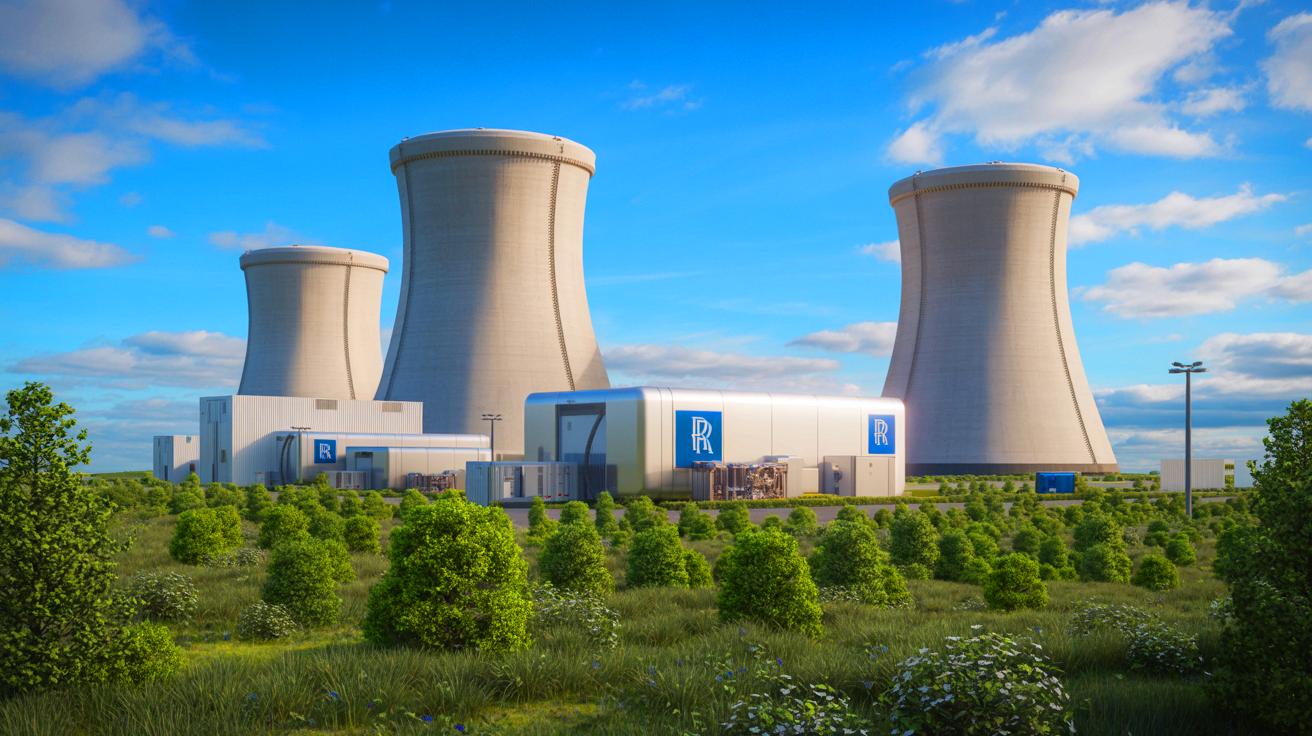
The introduction of Small Modular Reactors (SMRs) by Rolls-Royce marks a significant milestone in the UK’s energy landscape. Aimed at generating 1.5 gigawatts (GW) of electricity, these SMRs are expected to power approximately 3 million homes, addressing both energy security and environmental concerns. Unlike traditional nuclear plants, SMRs are assembled from factory-made modules, potentially reducing construction costs and timelines. This innovative approach, championed by Rolls-Royce and backed by Great British Energy, Nuclear, positions the UK at the forefront of modern nuclear technology. But what does this mean for the future of energy production in the UK?
Advantages of Small Modular Reactors
Small Modular Reactors, or SMRs, present numerous advantages over traditional nuclear power plants. One of the most significant benefits is their modular design, which allows components to be manufactured in a controlled factory environment. This process not only enhances quality control but also reduces the time and cost associated with on-site construction. Additionally, SMRs require smaller infrastructure and land footprints, making them suitable for remote locations or areas with limited space.
The implementation of SMRs is expected to bolster the UK’s energy security by providing a stable and reliable source of power. By decreasing reliance on imported fuels, the UK can enhance its energy independence. Furthermore, the use of nuclear energy contributes to the reduction of carbon emissions, aligning with global efforts to combat climate change. The environmental benefits, coupled with economic advantages, make SMRs a promising solution for sustainable energy production.
Government’s Role and Investment
The UK government plays a pivotal role in the advancement of SMR technology. With a commitment to reviving Britain’s industrial heartlands, the government has pledged over £2.5 billion for the small modular reactor program during the current Spending Review period. This investment aims to support up to 3,000 new skilled jobs, emphasizing the economic benefits alongside energy advancements.
Moreover, the government’s broader nuclear strategy includes a significant investment in the large Sizewell C power station, amounting to £14.2 billion ($19 billion). This holistic approach ensures a diverse energy mix, combining both large-scale and modular nuclear projects. By fostering innovation and providing financial backing, the government is instrumental in establishing a secure and sustainable energy future for the UK.
Challenges and Future Prospects
Despite the promising potential of SMRs, there are challenges to overcome. Currently, there are no fully operational SMR sites globally, making this a relatively unproven technology. However, Rolls-Royce remains confident in its pressurized water reactor technology, which is well understood within the nuclear industry. The company anticipates the start of power generation by 2032, marking the beginning of a new era in nuclear energy.
Looking ahead, the successful deployment of SMRs could revolutionize the nuclear industry, potentially serving as a model for other countries. As the technology matures, costs are likely to decrease, making SMRs an increasingly attractive option for energy production. The potential to provide clean, reliable, and cost-effective power could position the UK as a leader in global nuclear technology.
The Economic and Environmental Impact
The economic and environmental impacts of SMRs are profound. By creating thousands of skilled jobs, the SMR initiative supports local economies and contributes to national prosperity. Additionally, the reduced carbon emissions from nuclear power align with the UK’s commitment to environmental sustainability. The integration of SMRs into the energy grid is expected to deliver significant economic value, enhancing energy security while promoting environmental stewardship.
The anticipated connection of SMRs and other nuclear power stations to the grid in the 2030s will result in an unprecedented level of nuclear power, unseen in the past fifty years. This shift not only strengthens energy security but also underscores the UK’s leadership in innovative energy solutions. As the world grapples with the challenges of climate change, the UK’s proactive approach to nuclear energy sets a compelling example for others to follow.
With the ambitious plans set in motion, the UK’s commitment to SMRs signals a transformative shift in energy production. As these reactors come online in the coming decades, they promise to deliver clean, secure, and sovereign power to millions of homes. The question remains: How will other nations respond to this groundbreaking approach to nuclear energy, and what role will SMRs play in the global energy landscape of the future?
Continue reading