

“The $20 Billion Deal That Could Reshape Asia” India’s Battle for 114 Rafale Jets and the Secrets Dassault Must Reveal
 By
Adam Kovács
By
Adam Kovács
| IN A NUTSHELL |
|
In recent years, the global arms market has witnessed a surge in demand for advanced fighter jets, with numerous countries seeking to bolster their military capabilities. Among the high-stakes negotiations, France’s Dassault Aviation finds itself in a potentially transformative position. The company is vying for a significant contract with India, which aims to acquire 114 Rafale fighter jets. This deal, if secured, could mark a pivotal moment in military procurement, not just for India, but for the global defense landscape. The stakes are high, as Dassault competes against major industry players to secure what has been termed the “contract of the century.”
The Rafale’s Proven Track Record
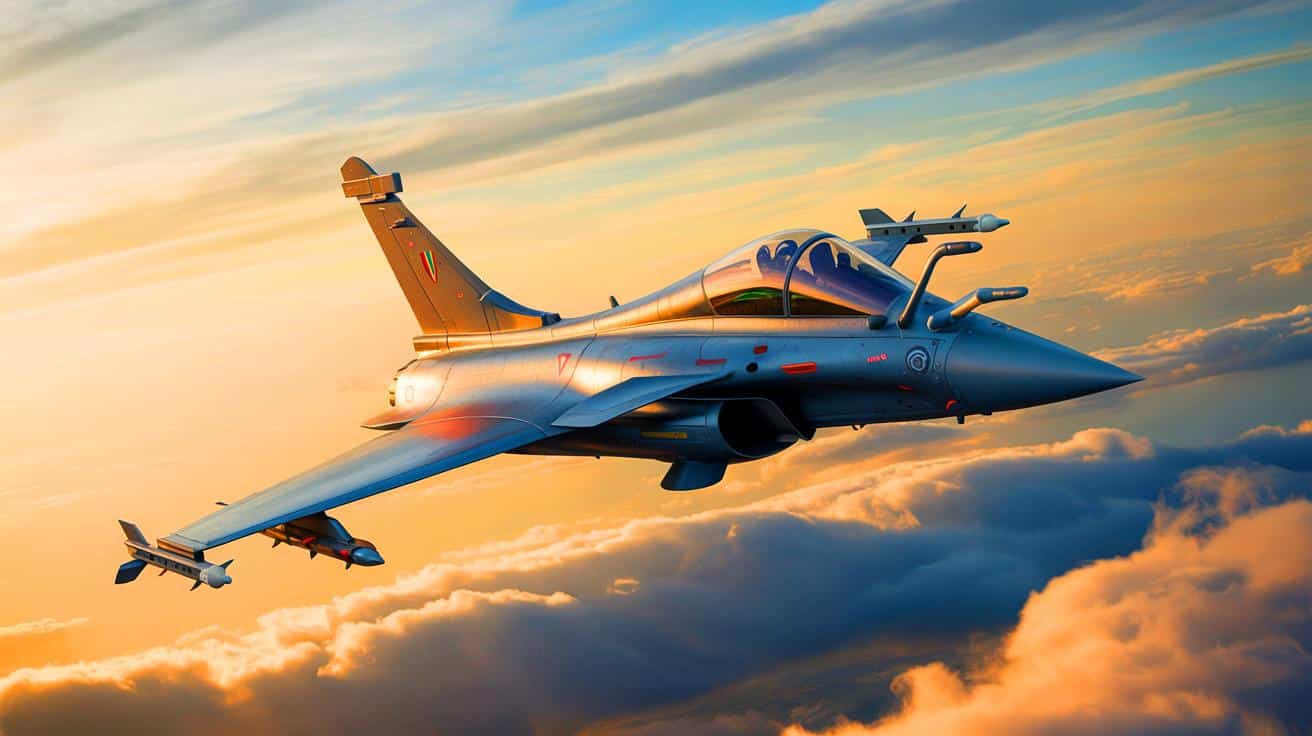
Between 2020 and 2022, India received 36 Rafale jets from Dassault, solidifying France’s reputation for excellence in military aviation. These aircraft have already played a significant role in India’s ongoing conflict with Pakistan, providing the country with a strategic advantage. Despite the loss of one aircraft during these operations, the Rafale’s performance has been largely lauded, maintaining its allure as a top contender for India’s future defense needs.
The Rafale F4 variant is particularly appealing due to its advanced avionics, radar systems, and combat capabilities. This model represents the latest in a line of continuous improvements, offering enhanced performance over previous iterations. As geopolitical tensions in South Asia remain high, particularly with Pakistan and the ever-present shadow of China, India is keen on bolstering its air forces with cutting-edge technology that the Rafale promises to deliver.
Challenges and Competitors in the Bidding Process
Securing a contract of this magnitude is no simple feat, especially with formidable competitors like Boeing, Lockheed Martin, and Saab also vying for the deal. The bidding process is intensely competitive, with each company showcasing their technological prowess and strategic advantages. Dassault, despite its strong position, must navigate complex negotiations and demonstrate the Rafale's superiority in a crowded field of capable aircraft.
In these negotiations, India is not only looking for advanced technology but also assurances regarding costs and delivery timelines. The country has significantly increased its defense budget in recent years, reflecting its commitment to modernizing its military. Yet, financial considerations remain pertinent as India seeks the best value for its investment. The balance between cutting-edge technology and cost-effectiveness will be crucial as India evaluates its options.
Technological Secrets: A Sticking Point
One of the most significant hurdles in these negotiations is the issue of technological sovereignty. India is not just interested in acquiring the Rafale jets; it seeks access to the aircraft's source code. This access would allow India to integrate its own systems into the fighter jets, ensuring compatibility with its existing military infrastructure and enhancing its ability to customize the jets for specific operational needs.
This demand raises concerns for Dassault, which must protect its proprietary technology while remaining competitive in the bidding process. The balance between transparency and safeguarding intellectual property is delicate, and how it is navigated could determine the outcome of the negotiations. The potential for this deal to fall through remains if both parties cannot reach an agreement on this pivotal issue.
The Stakes and Potential Outcomes
The potential contract with India is a high-stakes affair for Dassault, especially following a recent setback when Colombia reconsidered a significant deal with the French aviation giant. The loss of a $3.2 billion contract was a blow to the company's ambitions, making the Indian negotiations even more critical. Winning this deal would not only provide a financial boost for Dassault but also reaffirm its position as a leader in military aviation.
For India, acquiring 114 Rafale jets would significantly enhance its air force's capabilities, providing a strategic advantage in a volatile region. The implications of such a deal extend beyond immediate military benefits, potentially influencing geopolitical dynamics in South Asia and beyond. The outcome of these negotiations will be closely watched by global defense analysts, as they could set precedents for future international arms deals.
As negotiations continue, the world watches closely to see whether Dassault can secure this landmark contract with India. The implications for both parties are profound, and the outcome could influence global military balance in significant ways. As the deal's future hangs in the balance, one wonders: how will technological sovereignty and competitive pressures shape the future of international defense agreements?
Continue reading