

“Navy Covered Up Nuclear Sub Deaths”: USS Thresher Investigation Files Finally Released While 129 Sailors’ Families Demand Real Truth
 By
Adam Kovács
By
Adam Kovács
| IN A NUTSHELL |
|
On April 9, 1963, the USS Thresher, a nuclear-powered attack submarine, embarked on a deep diving test that would ultimately end in disaster. As one of the most advanced submarines of its time, it was designed to operate quietly and efficiently, but that day it failed to resurface. The Thresher’s sinking, which resulted in the deaths of all 129 people on board, remains a poignant reminder of the inherent risks of naval operations. Recent declassifications have shed new light on the tragedy, offering insights into the combination of factors that led to the deadliest submarine accident in U.S. history.
The Fateful Dive
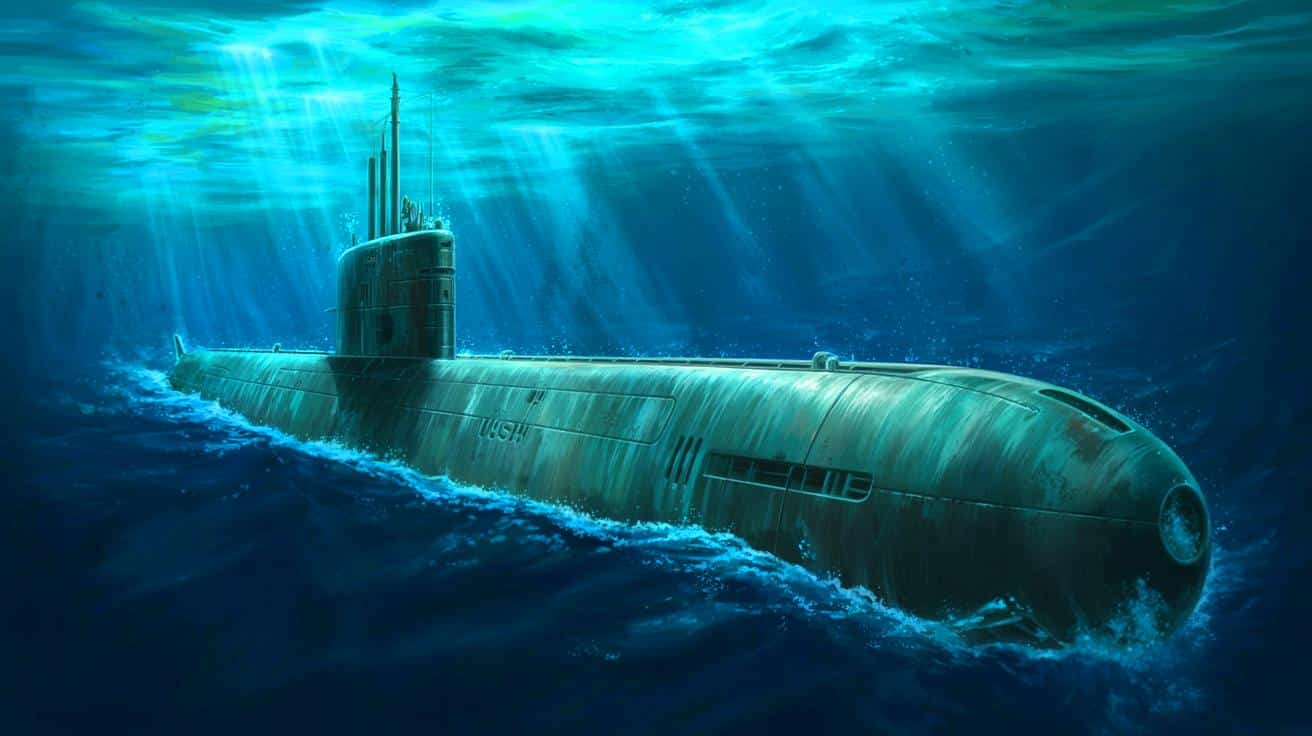
The USS Thresher was conducting routine deep diving tests about 220 miles east of Cape Cod when disaster struck. Designed to detect and destroy enemy submarines during the Cold War, the Thresher was a technological marvel of its era. At 278 feet long, it was capable of reaching speeds of up to 30 knots underwater. During the test, the submarine was accompanied by the USS Skylark, a rescue ship that maintained communications as the Thresher descended.
The crew reported “minor difficulties” upon reaching a depth of 1,300 feet and attempted to blow its ballast tanks to ascend. However, mysterious “air rushing” noises were the last sounds heard before the submarine disappeared from sonar. The Navy later discovered the Thresher in pieces at the bottom of the Atlantic Ocean, marking a somber day in naval history.
Investigations and Theories
In the aftermath, numerous theories emerged regarding the cause of the Thresher’s sinking. Initial investigations pointed to possible faulty welds that may have failed under pressure, causing a seawater leak. This, in turn, could have shorted out the electrical systems, rendering the submarine powerless.
The declassification of 3,600 pages of documents in 2020 revealed that no single event led to the disaster. Instead, it was a confluence of factors that culminated in tragedy.
https://visegradpost.com/en/2025/09/25/indias-nuclear-submarines-double-their-power-secret-mumbai-reactor-gives-navy-3100-mile-missiles-while-china-panics-about-indo-pacific/
Some experts, including naval historian Norman Friedman, suggest that inadequate training contributed significantly. The crew was reportedly unprepared to address the rapid chain of failures, highlighting the critical importance of rigorous and comprehensive training for submarine personnel.
Lessons Learned
The sinking of the Thresher prompted a thorough examination of submarine design and operation protocols. The tragedy, alongside the loss of USS Scorpion in 1968, led to the establishment of the SUBSAFE program. This initiative aimed to ensure that submarines could surface under all circumstances, significantly improving safety standards.
Rear Adm. Scott Pappano noted, “The loss of the Thresher brought about a change in how we do submarine design, to minimize the possibility of this ever happening again.”
The program has been successful, as evidenced by the fact that the Navy has not lost a submarine in over 50 years since its implementation. This dedication to safety has been a lasting legacy of the Thresher’s unfortunate demise.
The Impact of Declassification
The push for transparency, led by retired submarine commander James Bryant, resulted in the release of previously classified documents. For years, the secrecy surrounding the investigation fueled speculation of a coverup. The newly available documents clarify that the secrecy was intended to protect sensitive operational details of U.S. nuclear submarines.
Bryant and other experts believe that the release of these files is a positive step for the Navy, dispelling myths and reaffirming the complexity of the incident. It highlights the importance of transparency in government operations, especially in cases involving public safety and national security.
The legacy of the USS Thresher serves as a reminder of the fragility of technology and the importance of preparedness. The advancements in submarine safety protocols reflect lessons learned from the past, offering hope for a safer future. As we consider the balance between innovation and safety, how can modern engineering ensure such tragedies are avoided in the future?