



The Netherlands Joins US Air Force’s Robot Wingman Program, Sparking New Era in Military Collaboration and Innovation
 By
Adam Kovács
By
Adam Kovács
| IN A NUTSHELL |
|
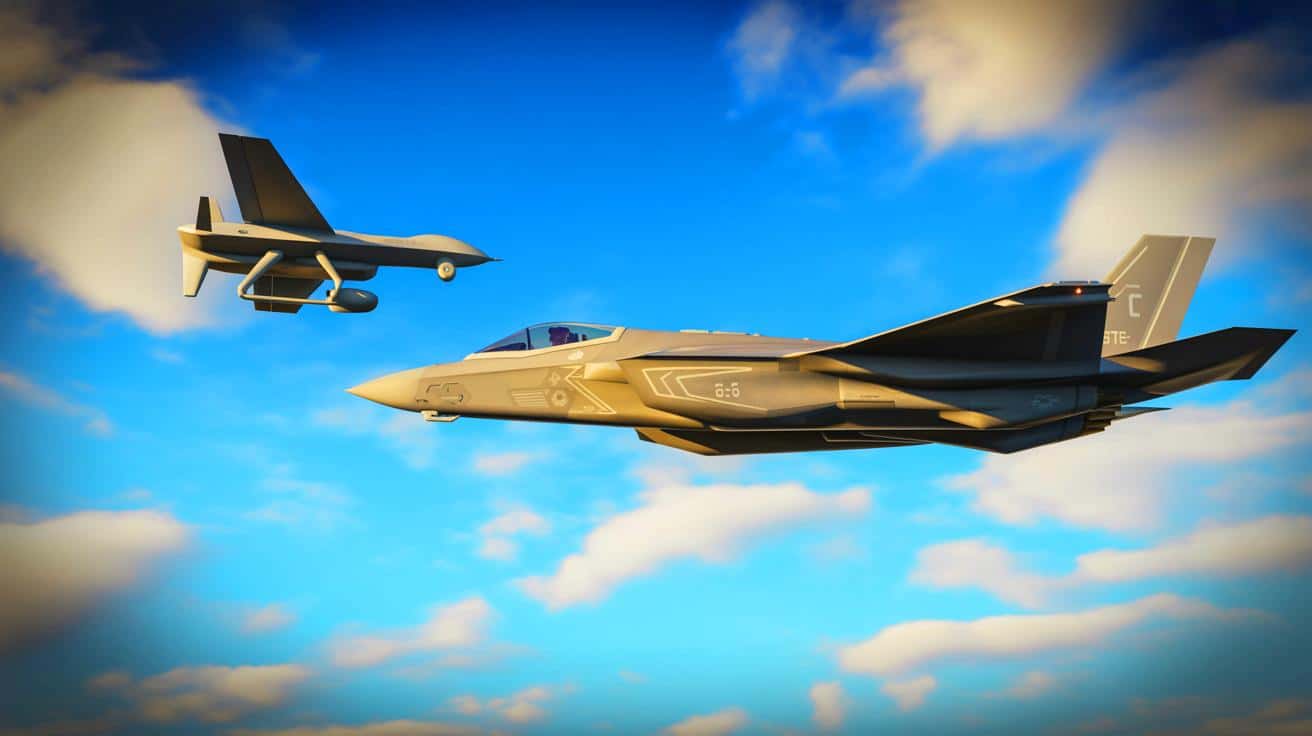
The Netherlands has taken a significant step towards enhancing its defense capabilities by joining the U.S. Air Force’s collaborative combat aircraft (CCA) program. This strategic move is aimed at bolstering the country’s fleet of F-35 fighter jets and ensuring advanced drone technology for its defense systems. The partnership comes amidst ongoing security challenges in Europe, particularly with the persistent threat from Russia and increased drone activity across the continent. This collaboration not only strengthens the transatlantic ties between the Netherlands and the U.S. but also underscores the importance of collective security efforts in maintaining regional stability.
The Strategic Partnership
The collaboration between the Netherlands and the United States Air Force marks a pivotal moment for both nations, aiming to enhance military capabilities through advanced technology. The Dutch Defense Ministry’s decision to join the CCA program signifies a commitment to modernizing its defense infrastructure. By participating in this program, the Netherlands seeks to integrate cutting-edge unmanned aircraft systems into its arsenal. This partnership is not just about acquiring new technology; it is also about strengthening existing ties with the U.S., which have been cultivated through previous collaborations on the F-16 and F-35 programs.
Gijs Tuinman, the Dutch State Secretary for Defense, emphasized the significance of this collaboration. He believes that operating CCA type aircraft in the European theater will contribute to global safety. The agreement allows the Netherlands to access program developments, share data, and provide input for European use, highlighting the mutual benefits of this partnership. Tuinman also mentioned the need for an equal balance of manned, unmanned, and attritable systems in the Dutch defense strategy, paving the way for future advancements in military technology.
Enhancing Drone Capabilities
In addition to the CCA program, the Netherlands signed an agreement with General Atomics to develop new small unmanned aircraft systems. These systems are designed for intelligence, surveillance, and reconnaissance (ISR) missions and are expected to be both affordable and versatile in carrying different payloads. This initiative aims to address current gaps in the drone industry, particularly in systems capable of penetrating anti-access/area-denial (A2/AD) environments and offering diverse ISR and strike capabilities.
The collaboration with General Atomics involves engineering and production efforts with Netherlands-based VDL Defentec. This partnership is a response to immediate security threats, as evidenced by recent drone disruptions in Europe. The development of these new systems is crucial for maintaining a strategic advantage and ensuring the security of European airspace. The Dutch Defense Ministry’s proactive approach to enhancing drone capabilities demonstrates a commitment to addressing modern security challenges.
Addressing Security Threats
The timing of these agreements is critical, as Europe faces increased security threats due to Russia’s ongoing aggression in Ukraine and heightened drone activity. Dutch military exercises in Poland were recently disrupted by drones, highlighting the need for robust countermeasures. Tuinman pointed out that hybrid attacks are already occurring across Europe, with mysterious drones testing the strength and resilience of European defenses.
By teaming up with defense companies like General Atomics, the Netherlands aims to bolster its defense industry and enhance its capacity to respond to such threats. This collaboration is not only about strengthening national security but also about contributing to the collective defense efforts of European allies. The Dutch government’s proactive stance underscores its commitment to safeguarding its citizens and maintaining regional stability amidst growing geopolitical tensions.
The Broader Implications
The partnership between the Netherlands and the U.S. extends beyond immediate defense capabilities. It represents a strategic alignment of interests in building a stronger European defense industry while maintaining close cooperation with American partners. Dutch Ambassador to the U.S., Birgitta Tazelaar, emphasized the importance of this collaboration in her remarks at the embassy’s annual defense industry event.
Investing in defense not only strengthens national security but also fosters economic growth and technological innovation. By integrating industrial bases across the Atlantic, both nations can maintain a strategic advantage over adversaries. This partnership serves as a model for other European countries seeking to enhance their defense capabilities while reinforcing transatlantic ties. The success of this collaboration could have far-reaching implications for the future of global security and defense cooperation.
As the Netherlands and the U.S. deepen their defense collaboration, the focus remains on ensuring regional stability and addressing emerging security threats. The strategic partnership and advancements in drone technology aim to fortify defenses and maintain a competitive edge. How might other European nations respond to these developments, and what impact will this have on the broader geopolitical landscape?
Continue reading