


Army’s Next-Gen C2 Prototype Testing Sparks Interest, Aiming to Revolutionize Military Command Since July Contract Award
 By
Adam Kovács
By
Adam Kovács
| IN A NUTSHELL |
|
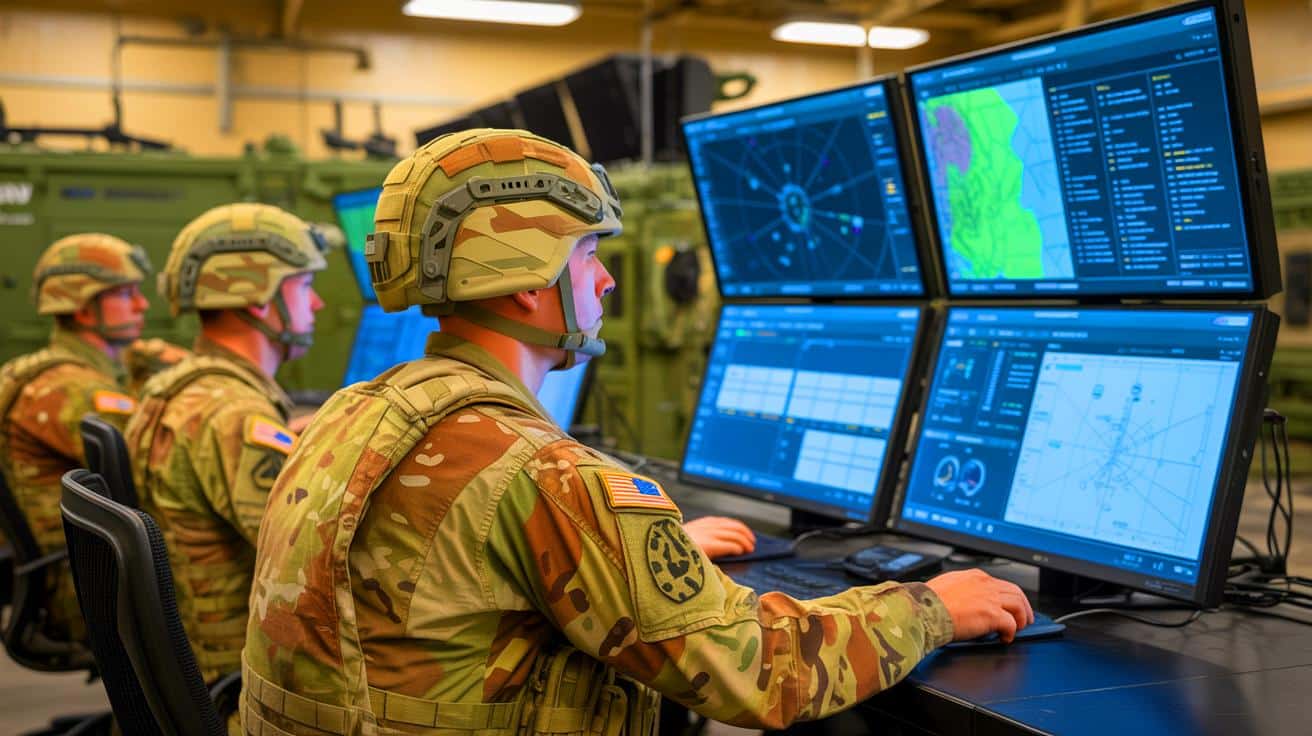
The U.S. Army is embarking on a second field test of its next-generation command and control (C2) prototype, just months after awarding a contract to Anduril Industries. Known as Ivy Sting 2, this test will take place at Fort Carson, Colorado, and involves the 4th Infantry Division. The primary objective is to evaluate the system’s ability to manage airspace deconfliction before the deployment of weapons. This innovative approach is part of a broader strategy to modernize military operations, emphasizing rapid iteration and integration of commercial technologies. The Army aims to streamline the development process while remaining flexible to incorporate emerging technologies.
Accelerating Military Innovation
The Army’s ambition with the next-generation C2 system is not just about technological advancement but also about redefining how military systems are developed and deployed. Zach Kramer, head of Anduril’s mission command office, highlights the shift toward a more iterative and modern approach to software development. Unlike traditional methods that wait for a perfect solution, the Army is focusing on rapidly rolling out systems and continuously improving them based on real-time feedback.
This strategy is evident in the Ivy Sting 2 exercise, where soldiers will put the system through its paces. The goal is to determine how well the system can handle complex scenarios such as airspace management and weapon deployment. By doing so, the Army hopes to significantly shorten the time required for command decisions, thereby enhancing operational efficiency.
Through collaborations with partners like Govini for logistics awareness and Strive Works for AI integration, Anduril aims to create a flexible system that can seamlessly integrate new technologies. This approach ensures that the best solutions can be quickly identified and incorporated, keeping the Army at the forefront of military innovation.
Testing and Feedback: The Ivy Sting Experience
The first Ivy Sting event, conducted in late September, laid the groundwork by testing the C2 system’s basic functionality and its ability to facilitate commander’s updates and planning. These initial tests are crucial for identifying potential weaknesses and areas for improvement. Zach Kramer emphasizes the importance of using commercial technologies that have already proven effective in other contexts.
The second test, Ivy Sting 2, takes this a step further by focusing on more complex scenarios. The aim is to refine the system’s capabilities, ensuring that it can adapt to various operational requirements. This iterative approach allows the Army to make incremental improvements, fostering a cycle of continuous enhancement.
By organizing these tests like software sprints, the Army is adopting a more agile methodology. This involves planning, development, field deployment, feedback collection, and ongoing iteration. Such a process not only accelerates innovation but also ensures that the solutions developed are practical and effective for soldiers in the field.
Challenges and Controversies
While the drive for innovation is commendable, it has not been without its challenges. Recently, Anduril’s software faced scrutiny due to an internal Army memo criticizing its security protocols. This incident highlights the potential for confusion and miscommunication when moving at a rapid pace.
Both the Army and Anduril have addressed these concerns, clarifying that the issues identified in the memo had already been resolved. Palmer Luckey, Anduril’s founder, criticized the leak of the memo, suggesting it was done in bad faith. The Army’s under secretary, Mike Obadal, also expressed a desire for more direct and efficient communication in the future.
These challenges underscore the need for clear communication and collaboration as the Army seeks to streamline its acquisition processes. By fostering open dialogue and addressing concerns promptly, the Army can prevent misunderstandings and maintain the momentum of its modernization efforts.
Redefining Military Development Processes
Anduril’s involvement in the Army’s C2 project goes beyond developing a technological solution. The company is playing a key role in reshaping how the Army approaches system development. Traditionally, military systems were built from the ground up, locking in vendors and technologies at the outset. However, this approach often led to obsolescence and inefficiency.
The new model, inspired by the Army’s Transformation-in-Contact program, prioritizes sending existing technologies to the field and rapidly incorporating feedback. This approach not only accelerates the development cycle but also ensures that systems remain relevant and effective.
Anduril’s commitment to fostering a culture of continuous innovation could have far-reaching implications for the Army. By establishing a repeatable process that encourages growth and flexibility, the Army can remain agile and responsive to emerging challenges. This shift in development philosophy may prove to be one of the most significant outcomes of the next-generation C2 project.
As the U.S. Army continues to test and refine its next-generation command and control prototype, the implications for military operations are profound. The ongoing collaboration with Anduril and other technology partners is not only about current capabilities but also about setting a precedent for future military innovation. With the groundwork laid for a more agile and responsive development process, how will the Army leverage these advancements to address evolving global challenges?