



Lockheed Celebrates F-35 Delivery Success, Marking a Milestone in Aviation and Boosting Economic Growth
 By
Adam Kovács
By
Adam Kovács
| IN A NUTSHELL |
|
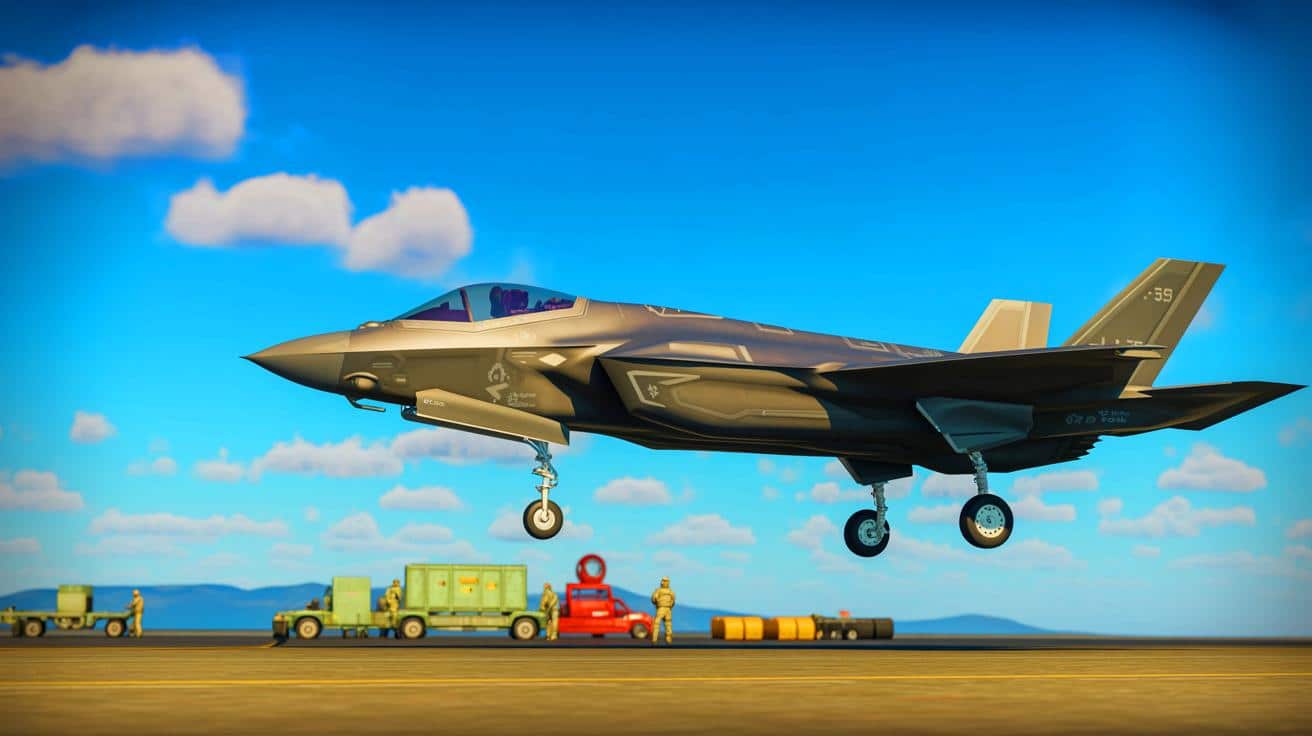
Lockheed Martin is experiencing a significant triumph with the anticipated delivery of up to 190 F-35 fighter jets this year. This achievement comes after overcoming a backlog caused by software issues, and it highlights the strong demand for this advanced aircraft both in the U.S. and internationally. During a recent earnings call, Lockheed Martin executives expressed optimism about the program’s growth, fueled by new contracts and global interest. This development not only impacts the company’s financial outlook but also underscores the strategic importance of the F-35 in modern military operations.
Lockheed Martin’s Strong Performance
Lockheed Martin’s recent success in the delivery of F-35 fighter jets marks a pivotal moment for the company. In the third quarter alone, the company delivered 46 aircraft, contributing to an expected total of 175 to 190 deliveries for the year 2025. According to Jim Taiclet, the company’s chairman, president, and CEO, this pace represents nearly one aircraft delivery per working day. This achievement follows the resolution of software issues that had previously stalled deliveries, allowing Lockheed Martin to clear its backlog of parked F-35 jets.
Additionally, the company has reported a 12 percent increase in aeronautics sales compared to the previous year. This growth is attributed to the increased production and sustainment of the F-35. The recent awarding of the Lot 18 and 19 contracts further underscores the growing demand for this advanced fighter jet. These developments highlight Lockheed Martin’s operational strength and its ability to meet the high demand from both domestic and international markets.
Global Demand and Expansion
International interest in the F-35 fighter jet is robust, with several countries seeking to expand their fleets. Belgium and Denmark have announced plans to procure additional aircraft, with Belgium looking to add 11 jets and Denmark expressing interest in 16 more. Germany has also indicated its intent to expand its F-35 fleet. This international demand is a testament to the aircraft’s unmatched capabilities and strategic value in global defense.
Evan Scott, Lockheed Martin’s chief financial officer, emphasized the strong support from international allies, which bolsters confidence in sustaining long-term production. The company ended the third quarter with a backlog of 265 jets, and this number increased with an additional 151 orders in the first week of the fourth quarter. Such strong demand highlights the F-35’s importance in maintaining air superiority and strengthens Lockheed Martin’s position as a leader in the defense industry.
Future Growth Through Sustainment
The future growth of the F-35 program is expected to be driven by sustainment efforts, particularly as the jets are upgraded with new technologies. The Block 4 upgrades, which are crucial for maintaining the technological edge of the F-35, present complex challenges but also significant opportunities. Jim Taiclet expressed optimism regarding the collaboration between the U.S. government, Lockheed Martin, and suppliers like RTX, BAE Systems, and Northrop Grumman. This collaboration aims to overcome barriers and prevent delays, ensuring the timely rollout of the Block 4 modernization program.
A Government Accountability Office (GAO) report, however, noted delays in the Block 4 program, pushing its completion to 2031 and increasing costs by over $6 billion. Despite these challenges, Taiclet remains confident in the successful implementation of the upgrades, which are essential for keeping the F-35 at the forefront of military aviation technology.
The Strategic Impact of F-35 Deliveries
The delivery of F-35 fighter jets is not only a financial win for Lockheed Martin but also a strategic advantage for the U.S. and its allies. The aircraft’s advanced capabilities make it a critical component of modern military operations, enhancing air superiority and providing a technological edge in combat scenarios. The continued production and delivery of these jets ensure that the U.S. and its partners maintain a formidable presence in the skies.
The strong advocacy from lawmakers and the focus on air superiority from the administration further support the program’s sustainability. As the program continues to grow, the F-35 will play a vital role in shaping the future of defense strategies and military capabilities worldwide.
As Lockheed Martin moves forward with the F-35 program, the company faces both opportunities and challenges in maintaining its leadership in the defense industry. The successful delivery of these jets not only impacts the company’s bottom line but also influences global military readiness. With international demand on the rise and technological upgrades in the pipeline, how will Lockheed Martin navigate the complexities of sustaining and expanding its F-35 program in the coming years?
Continue reading