

Army Builds $50M Border Fence in Arizona, Sparking Debate on Security, Environment, and Community Impact
 By
Adam Kovács
By
Adam Kovács
| IN A NUTSHELL |
|
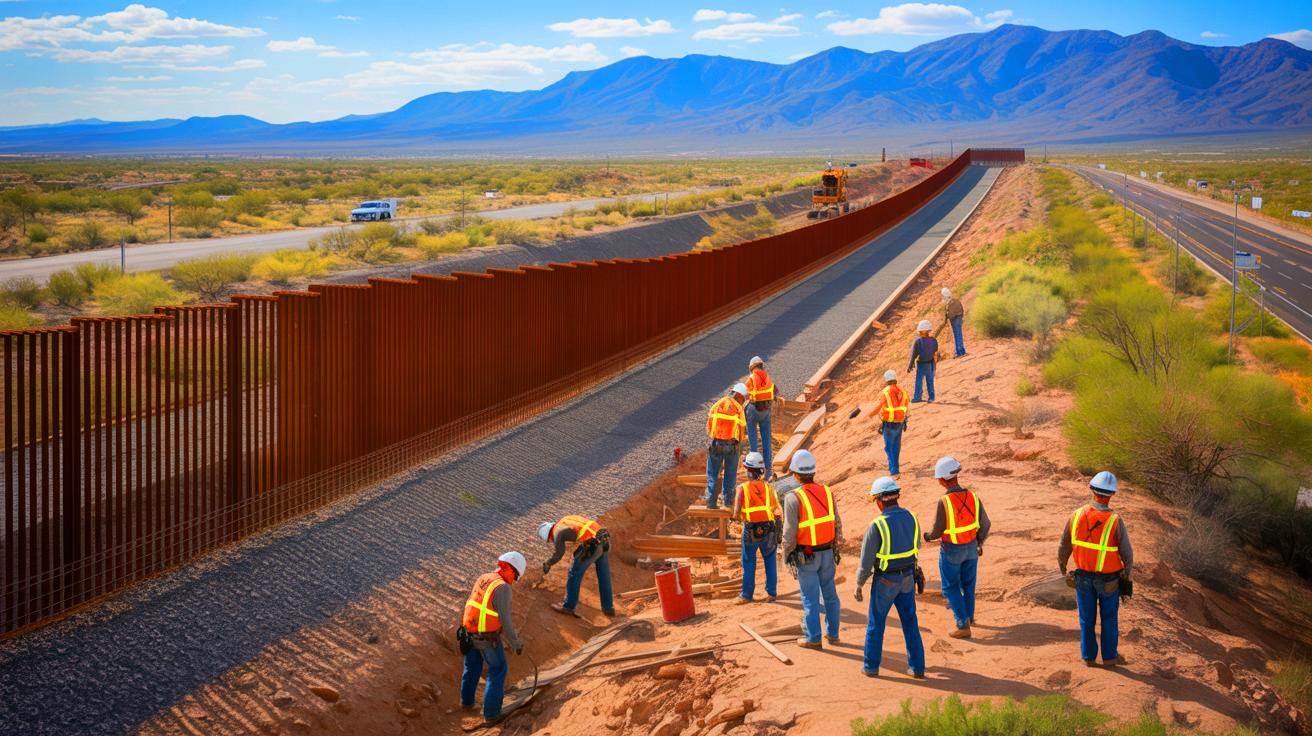
In a significant move that intertwines national security and border management, the Army Corps of Engineers has initiated the construction of a 15-mile border fence at the Barry M. Goldwater Training Range in Yuma, Arizona. This $50 million project aims to replace the existing, easily penetrable mesh fencing along the southern border with Mexico. The new structure is intended to address the frequent shutdowns of pilot and ground crew training due to border incursions. This development highlights the ongoing challenges of balancing military readiness with border security.
The Strategic Importance of Barry M. Goldwater Range
The Barry M. Goldwater Training Range plays a crucial role in preparing military personnel for various operations. Located in the arid landscapes of Arizona, this facility is instrumental for pilot and ground crew training. However, its proximity to the Mexican border has posed significant challenges over the years. Incursions by illegal border crossers have repeatedly forced the shutdown of essential training exercises, impacting military readiness.
Assistant Army Secretary for Energy and Installations, Jordan Gillis, emphasized the importance of uninterrupted training sessions. “When incursions occur, the ranges must close,” he stated. Such disruptions divert resources and affect the training schedule. The new fence is a strategic response to these challenges, ensuring that the training activities can proceed without frequent interruptions.
The Barry M. Goldwater Range is vital for the military’s preparedness, and securing its perimeter has become a top priority.
Funding and Construction Plans
The fence project is backed by military construction dollars, which were not earmarked for any specific project. This financial strategy mirrors the approach taken during the first Trump administration, where reprogrammed military funds were used for border security enhancements. The Army Corps of Engineers has outlined an ambitious construction schedule, with Brig. Gen. John Lloyd, USACE’s South Pacific Division commander, leading the efforts.
Construction commenced at the western edge of the project, with plans to cover 40 panels of fencing a day. In January, a second crew will start from the eastern edge, effectively doubling the daily progress. The fence is expected to be completed by April, while the additional construction of an access road for Customs and Border Protection will extend through August.
“The completion of this fence is crucial for enhancing border security while maintaining the integrity of military training operations,” said Brig. Gen. John Lloyd.
Controversies and Challenges
As with many border security initiatives, this project has not been without controversy. A video released by the Pentagon showed construction workers tagging the first section of fencing, with one inscribing “For Charlie,” referencing the recently assassinated political pundit Charlie Kirk. Brig. Gen. Lloyd mentioned that the command is investigating this defacement of government property. Although the motivations behind the tags are not confirmed, the incident underscores the politically charged environment surrounding border security measures.
Additionally, the fence’s construction raises questions about environmental and community impacts. The desert ecosystem along the border is fragile, and any construction activity can have lasting effects on local wildlife and habitats. Moreover, the communities on both sides of the border are closely monitoring the project, concerned about its implications for cross-border relations and local economies.
The intersection of military and border security initiatives often leads to complex and contentious debates.
Implications for Homeland Security
The construction of the border fence at the Barry M. Goldwater Training Range represents a broader trend in how the U.S. approaches homeland security. Border security remains a top priority, intersecting with military operations and national defense strategies. This project highlights the multifaceted nature of national security, where military readiness and border management are inextricably linked.
As the U.S. continues to navigate these challenges, the implications for national policy are significant. The balancing act between securing borders and maintaining military preparedness will likely influence future decisions on resource allocation and strategic priorities. As the project progresses, stakeholders will need to consider the broader impacts on national security and border policy.
The completion of the fence at the Barry M. Goldwater Training Range marks a critical step in addressing border security challenges. However, it also raises important questions about the future of such initiatives. How will the balance between military readiness and border security continue to evolve in the coming years?
Continue reading