


NORTHCOM Commander Challenges “Enemy from Within” Claims, Highlighting Internal Security Confidence in Military Leadership
 By
Adam Kovács
By
Adam Kovács
| IN A NUTSHELL |
|
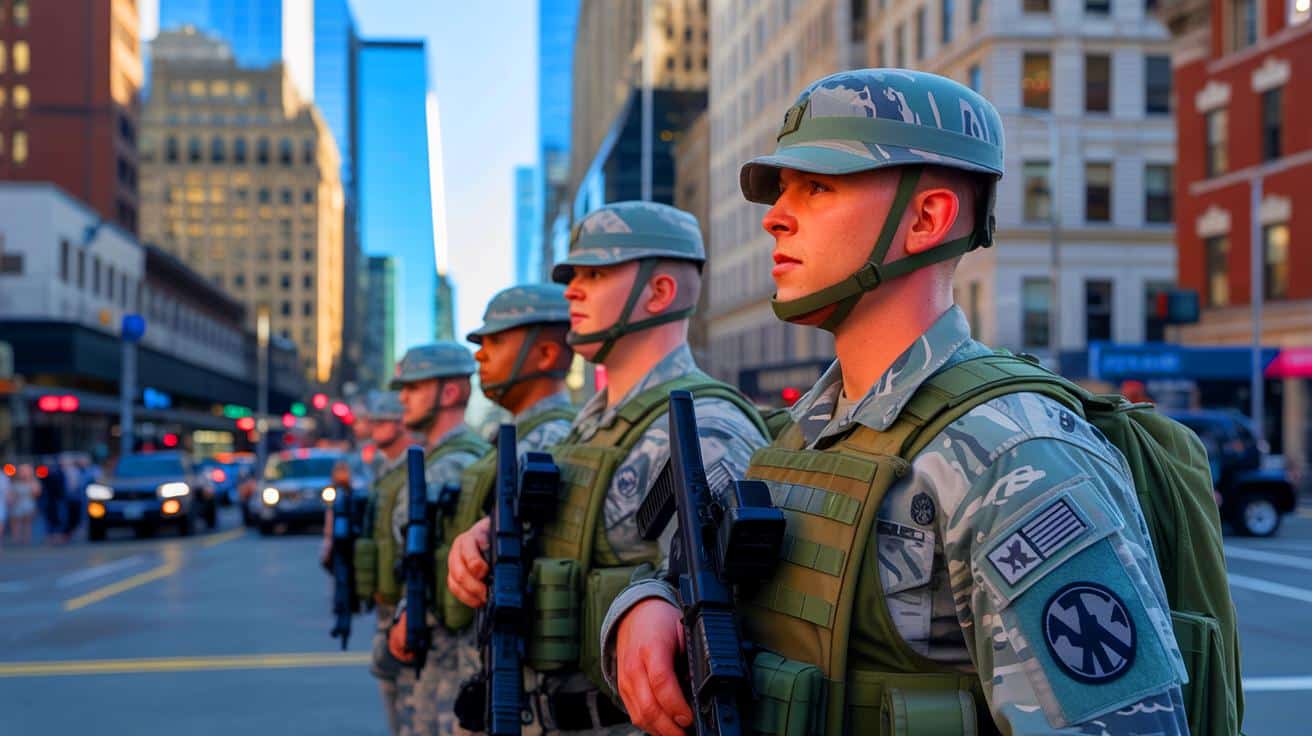
The recent deployments of the National Guard to U.S. cities have sparked intense debate among lawmakers and military officials. In a Senate Armed Services Committee hearing, Air Force Gen. Gregory Guillot, head of U.S. Northern Command, addressed concerns regarding the notion of an “enemy from within,” a phrase previously used by President Trump. The hearing also delved into the legality and implications of deploying military forces domestically. While some view these actions as necessary for maintaining order, others argue they are a misuse of military resources and potentially illegal. The discussions reflect broader tensions about the role of the military within U.S. borders.
Military’s Role in Domestic Affairs Under Scrutiny
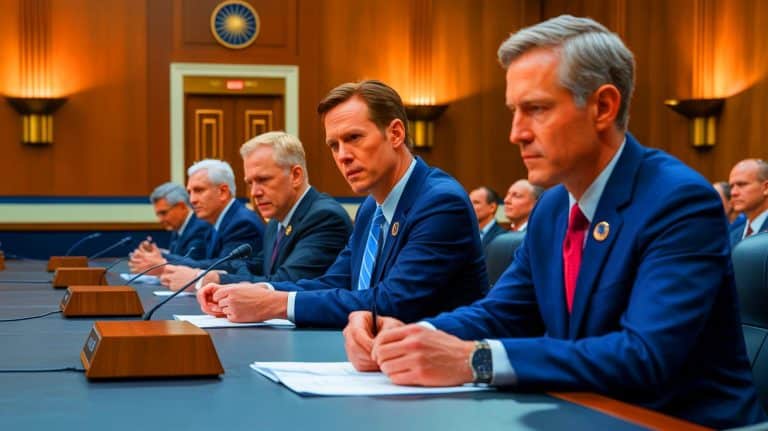
The deployment of National Guard troops to cities like Los Angeles, Portland, and Chicago has raised significant questions about the military’s role in domestic affairs. During a Senate Armed Services Committee hearing, Air Force Gen. Gregory Guillot clarified that he has not received any orders related to addressing an “enemy from within,” a term used by President Trump. Guillot stated, “I don’t have any indication of an enemy within,” challenging the president’s earlier assertions.
This hearing highlighted the ongoing debate about the legality and appropriateness of deploying the military domestically. Several deployments have been deemed illegal in federal court. Democratic lawmakers argue that these missions detract from essential military training. They also point to judicial rulings in various states that have found the deployments illegal. However, the administration continues to appeal these decisions, allowing the troops to remain in place.
Impacts on National Guard and Readiness
Deployments have not only legal implications but also practical impacts on the National Guard’s readiness and mission focus. Mark Ditlevson, a Pentagon homeland defense official, described the deployments as a “modest burden” on the National Guard. However, some lawmakers, like Sen. Roger Wicker, argue that these deployments are beneficial for military cohesion and training.
Contrarily, Democratic lawmakers express concerns over the impact on troops’ training for military missions. They cite instances where Guardsmen have been tasked with non-military duties, such as “beautification” projects in Washington, D.C. This, they argue, takes away from valuable training time and exposes troops to unnecessary risks, as evidenced by recent incidents involving Guardsmen being shot while on duty.
Legal Challenges and Political Ramifications
The legal status of these deployments remains contentious. In several states, judges have ruled the deployments illegal, challenging the administration’s justification of “law and order” in Democrat-run cities. Sen. Angus King and others have questioned the validity of the emergencies declared by President Trump to justify these actions. King criticized the low threshold used by the administration to declare emergencies.
Moreover, the perception of military personnel is at stake, as Sen. Duckworth warned of a future where Americans might fear their troops due to their use in political and law enforcement roles. The use of military-style tactics by federal agents in camouflage further complicates public perception, blurring the lines between military and law enforcement roles.
Terminology and the Department of Defense
Another point of contention during the hearing was the use of terminology. Sen. King corrected Charles Young, the deputy Pentagon counsel, for his use of the term “War Department,” emphasizing the official name as the Department of Defense. This exchange underscores the ongoing discussions about the military’s image and its role within the government.
Despite differing views, lawmakers across party lines agreed on maintaining the Department of Defense’s current designation. This consensus reflects a broader desire to preserve the institution’s integrity and avoid politicization. The debate over the department’s name serves as a microcosm of the larger discourse on the military’s role in domestic politics and policy-making.
As the debate over National Guard deployments continues, questions remain about the military’s evolving role in U.S. domestic policy. How will these decisions impact the perception and effectiveness of the military in the long term? Will future administrations continue to use the military in similar capacities, or will this period prompt a reevaluation of boundaries between domestic law enforcement and military responsibilities?
Continue reading