

Museum hours, closing days and seasonal programmes can make or break a city visit
Heritage, collections, live performance and everyday life each reward a different pace, so choosing the kind of experience first shapes the whole itinerary.
 By
Katharina Brenner
In brief
- Cultural experiences in Europe fall into a few distinct types, from heritage sites to live performance.
- Local rhythms, such as opening days and seasonal programmes, shape what is available.
- Fewer, longer stops usually give a fuller picture than a crowded route.
- Regional food, markets and public festivals are part of the cultural offer.
The most useful decision in planning a cultural trip in Europe is not where to go but what kind of experience you want, because the continent offers several very different ones that reward different habits. Choosing among them early saves time and avoids the frustration of arriving somewhere at the wrong moment.
Four kinds of cultural experience
It helps to separate the main types before building a route. Heritage covers castles, old town centres, churches, synagogues and industrial sites, places where the value lies in the building and its history. Collections means museums and galleries, where the visit is organised around objects and the way they are displayed. Live culture includes concerts, theatre, opera and dance, which depend on a calendar and often on booking ahead. Everyday culture is the least formal: markets, cafés, spa traditions, local food and public festivals.
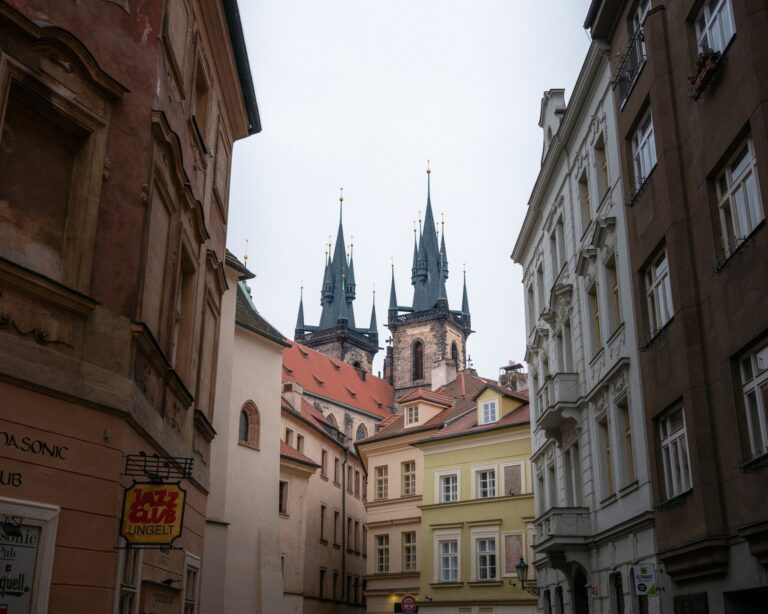
Central Europe is a good place to see how these overlap. Cities such as Budapest, Prague, Kraków and Bratislava combine layered architecture with active theatre and music scenes, and their historic centres are also lived-in neighbourhoods rather than open-air museums. A traveller who treats them only as heritage will miss much of what makes them distinctive.
Matching the plan to the calendar
Cultural life runs on schedules. Many museums close on one day of the week, smaller sites keep seasonal hours, and performance venues often pause in summer or hold their strongest programmes in autumn and winter. Checking opening days and programmes on the official pages of the venue, rather than relying on general listings, is a simple habit that prevents wasted journeys.
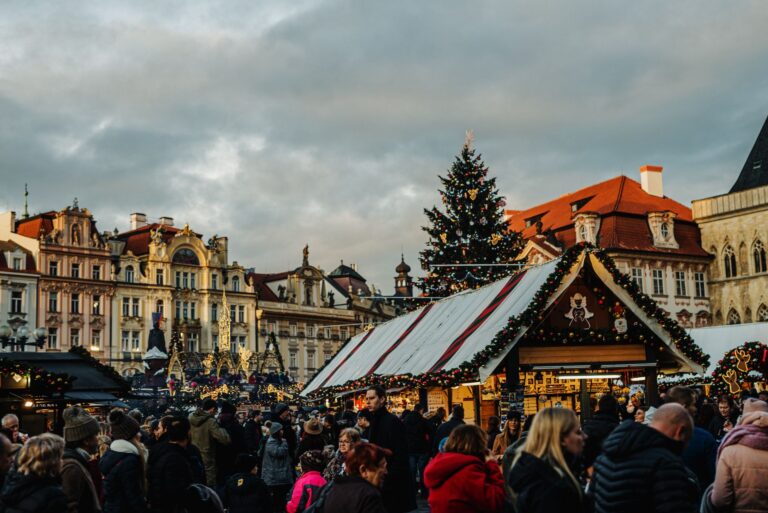
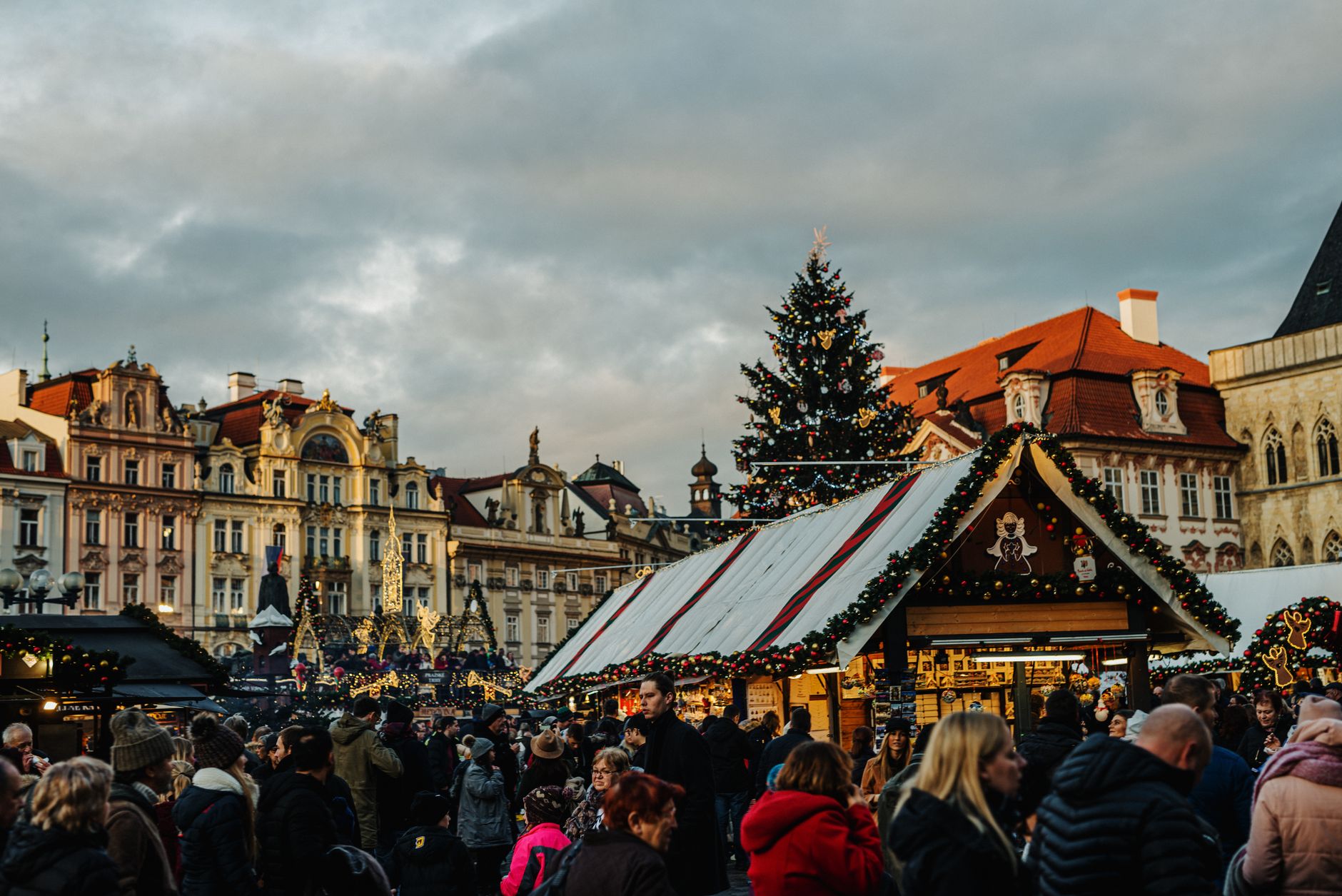
Seasonal customs matter too. Open-air festivals, harvest events and Christmas markets can define a town for a few weeks and then vanish. If one of these is the goal, it should anchor the itinerary, with the rest of the trip arranged around it rather than the reverse.

Fewer stops, more context
A route that covers many cities in a short time tends to turn culture into a list of photographs. Spending longer in one or two places allows for repeat visits, slower meals and the chance to follow a thread, for example a single architectural period, a composer, or a regional craft. Context is what turns a visit into understanding: a short guided tour, a local exhibition on the city’s history, or a walk through a district away from the main square can do more than another landmark.
Language and history deserve a little preparation. In Hungary, Poland, Czechia and Slovakia, public memory is closely tied to the twentieth century, and many sites reflect that in their labelling and tone. Reading a short background piece before arriving makes those displays easier to interpret, and it helps visitors approach sensitive places with appropriate care.
Food, markets and public space
Regional cooking is often the most direct cultural encounter available. Covered markets, bakeries and family-run restaurants show how ingredients and habits differ from one region to the next, even within a single country. Public baths, riverside promenades and city parks serve a similar function: they show how residents actually use their cities.
For a wider range of ideas, this list of top cultural experiences across Europe can serve as a starting point before choosing a region and a pace that suit you.
Finally, local transport is part of the experience. Trams, regional trains and river boats connect many Central European cities, and travelling by them often reveals landscapes and towns that a fast motorway route skips entirely.
Photo: Helena Jankovičová Kováčová / Pexels
Continue reading