


History of european architecture: from past to present
 By
Adam Kovács
By
Adam Kovács
|
IN A NUTSHELL |
|
Europe’s built fabric reads like a continuous argument between eras, where each generation asserts its priorities through stone, steel and glass. From the measured orders of Greek temples and the engineering audacity of Roman vaults to the vertical theatrics of Gothic cathedrals and the balanced harmony of the Renaissance, architectural change has mirrored social and technological shifts. The Baroque and Rococo periods amplified spectacle; the Industrial Revolution introduced iron, steel and glass that enabled new urban typologies. The twentieth century fractured and rebuilt those assumptions: Bauhaus, Modernism and later Brutalism debated function, form and material honesty, while postmodern and deconstructive currents questioned their premises. Today’s horizon returns the debate to responsibility: sustainable architecture, biophilic design and parametric methods intersect with smart systems to blur interior and exterior, performance and poetry. Reading this lineage is not an exercise in nostalgia but a necessary critique; understanding how aesthetics, technology and ecology have collided in Europe equips architects, planners and citizens to shape resilient, meaningful places for the present and future.
Ancient foundations and classical inheritance
Greek and Roman architecture are often presented as the comfortable origin myths of European built form, but the claim that they merely established rules is misleading. They also created enduring arguments about public space, proportion, and civic identity that continue to shape debates about design today. The Parthenon and the Pantheon are not just monuments; they are manifestos about how architecture orders society. The Greeks insisted on symmetry and proportion as ethical positions, while Romans treated engineering and material innovation, especially concrete and arches, as tools for expansion of the public realm.
Those technical advances justified new urban logics: amphitheaters, baths, aqueducts and roads became instruments of governance. This is why contemporary urbanists still consult ancient precedents when arguing for durable civic infrastructure or resilient public spaces. If one follows the timeline resources compiled by historians and specialists, such as the overview at Illustrarch or the broader chronology at ArchEyes, it becomes clear that classical vocabulary was both adapted and resisted across centuries.
Arguing from the evidence, it is unreasonable to treat antiquity as a static sourcebook. Instead, classical elements functioned as rhetorical devices that subsequent eras reinterpreted to make claims about identity and power. The persistence of column orders, dome engineering, and axial planning across centuries demonstrates that Europe’s architectural discourse has always been a conversation with its past. The strategic reuse of classical form, from Renaissance revival to Neoclassical state buildings, shows architecture’s capacity to mobilize history for contemporary political ends. For readers interested in a structured academic treatment of these developments, resources like ArchitectureCourses assemble pedagogical sequences that reveal this argumentative continuity.
Medieval transformations: Romanesque to Gothic
The transition from Romanesque solidity to Gothic verticality is often narrated as a linear progression toward light and ornament, but the reality was a contest of values and technologies. Romanesque architecture asserted communal protection through thick walls and small apertures; Gothic architecture argued for transcendence by dismantling mass and admitting light via ribbed vaults and flying buttresses. These are not neutral stylistic choices, they reflect competing philosophies about the role of sacred architecture in social life.
Gothic innovation was an argument in stone: technical daring enabled heightened spiritual and civic aspiration. Cathedrals like Chartres and Notre-Dame articulate a political theology that fused ecclesiastical authority with emerging urban pride. Moreover, these buildings were built over generations, reflecting shifts in funding, patronage, and craftsmanship. The medieval period thus becomes a chronicle of negotiation between structural experimentation and institutional ambition.
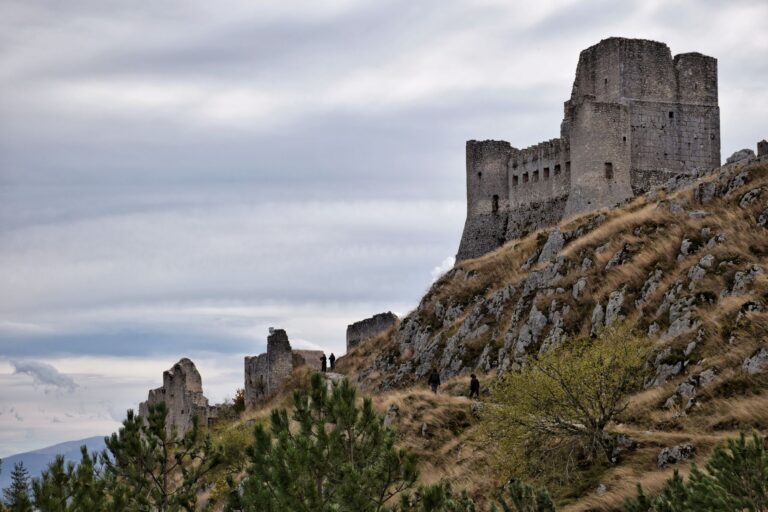
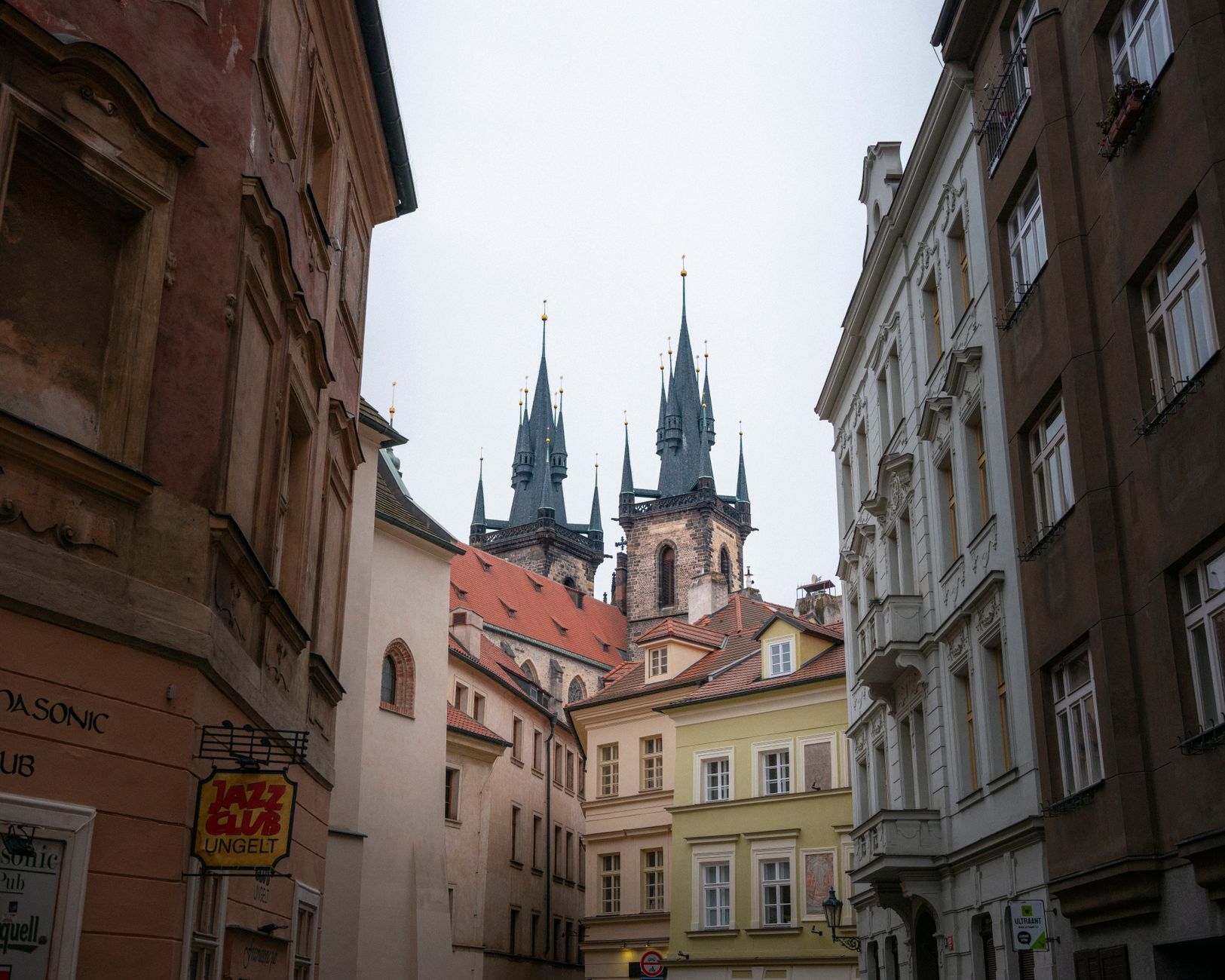
It’s also important to recognize regional variation as a counterargument to any homogenized story of medieval Europe. From Romanesque fortifications in Spain to the soaring cathedrals of Northern France, local materials, geological constraints, and patronage systems produced distinct outcomes. Those interested in comparative exploration can consult multidisciplinary surveys such as the one at MEER, which highlights how medieval forms laid the groundwork for the Renaissance debates that followed. The medieval arc demonstrates that architectural evolution is best understood not as style replacing style but as alternating assertions about space, light, and authority.
Renaissance and baroque: humanism, power and spectacle
The Renaissance repositioned architecture as a discipline of learned order rather than merely craft. Architects reclaimed classical grammar, columns, pediments, domes, to argue for a renewed human-centered worldview. This was not mere aesthetic nostalgia: it was an ideological shift. Figures such as Brunelleschi and Alberti used proportion and geometry as instruments of civic reform and moral education. The architecture of the Renaissance stakes a claim that harmonious form supports rational society.
Baroque architecture reacted to Renaissance restraint by asserting theatricality and movement as political tools. The argument here is explicit: space can be staged to produce emotional effects that consolidate power. St. Peter’s and Versailles are persuasive texts in stone and plaster that communicate authority through scale and spectacle. The Baroque and later Rococo periods thus reframed architectural language as a medium for sensory persuasion, not only civic pedagogy.
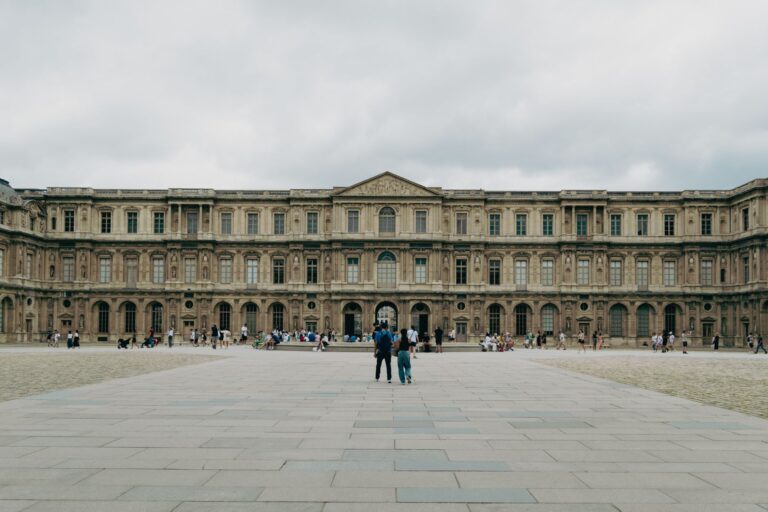
Between these two moments, architecture became an active participant in the politics of representation. Patronage systems, papal, princely, and mercantile, drove stylistic choices that communicated status and programmatic intent. For a broader survey of how stylistic transitions function as cultural arguments, see resources like Visegrad Post’s review of iconic landmarks, which connects specific structures to the political narratives that produced them. The Renaissance-Baroque continuum thus illustrates architecture’s dual capacity to embody ideals of rational order and to manufacture consent through theatricality.
Industrial revolution and modernist ruptures
The Industrial Revolution introduced materials and systems that shattered prior assumptions about structure and ornament. Iron, steel, and glass rendered the traditional equation between load-bearing walls and enclosure obsolete. The Eiffel Tower became a manifesto that celebrated technological aesthetics and disrupted academic hierarchies. Arguably, industrialization compelled architects to reformulate their discipline: should architecture celebrate machine aesthetics or shield society from mechanization’s dislocations?
Modernism answered by advocating simplicity, functionality and social purpose. Figures such as Le Corbusier and movements like the Bauhaus argued that design could be rationalized to improve living conditions and democratize beauty. This was an explicit political claim: that architecture should serve mass housing, efficient production, and hygienic urban environments rather than elite display. Critics countered that such rationalization risked erasing cultural texture and human scale.
The ensuing debates produced a century of stylistic experiments, International Style, brutalism, and later critical regionalism, that tested the limits of universalist claims. For readers tracing this contested progression, timelines and analytical resources provide depth: ThoughtCo’s timeline and the detailed historical survey at Illustrarch both chronicle how technological change provoked ideological shifts. Ultimately, the industrial-modernist turn reframed architecture not simply as art or craft but as a field of public policy, engineering and social critique.
Late 20th century experiments and digital emergence
The late 20th century produced a series of counter-arguments to modernist universals: Postmodernism reintroduced ornament, historical reference and plurality as necessary correctives. Deconstructivism and high-tech architecture pushed the opposite envelope, celebrating fragmentation and mechanical expression. These movements were not mere stylistic rebellions; they were arguments about meaning, authenticity and the appropriate relationship between architecture and context.
Digital tools and parametric design then complicated the debate by expanding formal possibilities. The 1990s and 2000s saw Blobitecture, Neo-futurism and parametric experimentation that leveraged computation to explore complex geometries. These practices produced seductive forms but also raised questions about sustainability, constructability and cultural resonance. Critics argued that algorithmic form-making risks becoming formalism without programmatic depth.
To present the era analytically, a concise table helps map major movements and their argumentative stakes across recent decades:
| Decade | Dominant movements | Core argument |
|---|---|---|
| 1980s | Postmodernism, High-tech, Deconstructivism | Contextual meaning vs. technological expression |
| 1990s | Deconstructivism, Minimalism, Neo-futurism | Fragmentation, reductive aesthetics, future-orientation |
| 2000s | Parametric, Blobitecture, High-tech | Computational form-making and material innovation |
Those who want a comprehensive chronology that situates these debates within longer timelines should consult the ArchEyes chronology at ArchEyes and analytical retrospectives like MEER. Both resources underscore that late 20th-century experimentation functions as critique and proposition: it questions prior certainties while proposing new modes of representation and production.
21st century priorities: sustainability, biophilia and smart integration
The contemporary period has shifted the central architectural argument from pure form-making to systemic responsibility. Sustainability, biophilic design and smart architecture are not merely trends; they are counter-propositions to earlier formal excesses. The 2010s emphasized energy efficiency, material ethics, and the blurring of indoor/outdoor boundaries, what some theorists call Blurring Architecture. The 2020s extend these claims with intensified focus on resilience, living systems integration and sensor-driven environments.
The core claim of current practice is that architecture must mediate human needs, ecological limits and technological affordances simultaneously. This integrated approach is evidenced in recent projects that combine green roofs, passive systems and responsive façades to reduce carbon footprints while enhancing occupant wellbeing. Those seeking curated examples and city-level impacts can explore discussions of Europe’s built heritage and coastal urbanism at outlets like Visegrad Post on art cities and Visegrad Post on coastlines.
At the same time, digital technologies, BIM, parametric optimization and smart controls, enable architects to quantify trade-offs and validate performance claims. Yet this technological promise must be interrogated: does sensorized architecture enhance democratic access or primarily serve affluent enclaves? That unresolved tension anchors contemporary criticism and drives new design ethics. For a wide-ranging historical perspective that connects past styles to current imperatives, see the accessible timeline at ThoughtCo and the narrative syntheses available at ArchitectureCourses. The debate now is not whether architecture should evolve, but which values will guide that evolution, an argument that will determine the look and livability of European cities in the decades ahead.
Closing reflections on the history of European architecture
European architecture demonstrates a relentless dialogue between tradition and innovation. From the disciplined proportions of Greek temples and the engineering leaps of Roman aqueducts and domes to the fortress-like solidity of Romanesque churches and the vertical aspiration of Gothic cathedrals, successive eras imposed new priorities, structural daring, liturgical expression, civic symbolism, while borrowing foundational principles. The Renaissance recovery of classical balance and the theatrical ambition of Baroque and Rococo show how aesthetic languages evolve not in isolation but as responses to social, political, and spiritual forces.
The industrial age and the 20th century reframed those priorities through material and technological change. The rise of iron, steel and glass enabled projects that would have been inconceivable to earlier builders, and movements such as Modernism and the Bauhaus advanced the principle that form should follow function. Later currents, Brutalism, Postmodernism, Deconstructivism, High-tech, argued for different relationships between ornament, structure and spectacle. At the turn of the millennium, digital tools fostered Parametric Architecture, Blobitecture and an expanded palette for experimentation, while Minimalism persisted as a counterpoint valuing clarity and restraint.
Today those historical strands converge in an era defined by environmental urgency and technological possibility. Contemporary practice centers on Sustainable Architecture, Biophilic Design, Blurring Architecture that dissolves inside/outside boundaries, and Smart Architecture that embeds responsiveness into buildings. These trends rest on centuries of accumulated techniques and ideas; to insist that the future is separable from the past would be intellectually indefensible. If architects and planners want resilient, humane environments, they must interpret historic precedents critically, adapting structural lessons, spatial strategies and cultural meanings, to ensure that innovation is both inventive and responsible.
FAQ, History of European Architecture: From Past to Present
Q: What is the defining thread that connects centuries of European architecture?
A: The defining thread is the relentless dialogue between form, technology, and culture: from ancient Greek symmetry and Roman engineering to the expressive innovations of the Gothic and the measured revivalism of the Renaissance. You must view these shifts not as isolated styles but as successive responses to social needs and technological capabilities.
Q: Why does the timeline, from Romanesque to Modernism, matter for contemporary architects?
A: Because the timeline reveals causal influences: structural solutions, material choices, and spatial ideas recur and are adapted. Learning how Romanesque solidity gave way to Gothic lightness or how the Industrial Revolution enabled new materials makes a compelling case that innovation is built on precedent, and contemporary practice should intentionally inherit and reinterpret those lessons.
Q: How did ancient Greece and Rome shape European architectural principles?
A: They established the core principles of proportion, civic planning, and durable construction. The Greeks codified symmetry and orders; the Romans extended this with large-scale engineering, arches, domes, and concrete, which justified the argument that architecture fuses aesthetics with public utility.
Q: What differentiates Romanesque from Gothic architecture, and why did that change occur?
A: Romanesque favored thick walls and small openings for defense and stability, while Gothic used structural innovations, such as flying buttresses, to prioritize height and light. This evolution reflects a broader cultural shift toward communal religious experience and advances in engineering that made illuminated, uplifting interiors possible.
Q: How did the Renaissance reorient architectural values in Europe?
A: The Renaissance reinstated classical rationality and human-centered proportion, arguing convincingly that architecture should model itself on antique harmony. This philosophical return to classical sources established the idea that design could be both scientifically ordered and artistically expressive.
Q: In what ways did the Baroque and Rococo respond to Renaissance ideals?
A: They challenged Renaissance restraint by emphasizing spectacle, movement, and emotional impact. Where the Renaissance prioritized balance, Baroque and later Rococo argued that architecture could also command attention and convey authority through theatrical composition and ornamentation.
Q: What role did the Industrial Revolution play in transforming architectural practice?
A: It introduced new materials and mass-production methods, iron, steel, and large glass panes, that made unprecedented structural spans and façades feasible. This supports the claim that technology fundamentally reshapes aesthetic possibilities and urban scale.
Q: How did 20th-century movements like Modernism and the Bauhaus change architectural priorities?
A: They advanced the argument that function and clarity should replace ornament: simplicity, standardized production, and social utility became central. Movements like the Bauhaus fused craft and industry, promoting the belief that architecture must address modern life efficiently and honestly.
Q: What major stylistic shifts occurred from the 1970s to the 2000s in Europe?
A: The late 20th century saw a pendulum swing: from the raw material honesty of Brutalism to the pluralism of Postmodernism, then to experimental forms such as Deconstructivism and Parametric Architecture. Each phase demonstrates that aesthetics follow available technologies and cultural critique, parametric design, for example, emerged because digital tools made complex geometry practical.
Q: Why are sustainability and biophilic approaches so prominent in the 2010s, 2020s?
A: Because environmental urgency and occupant well-being demand it: sustainable architecture, biophilic design, and blurring architecture, which dissolves the barrier between inside and outside, make a persuasive case that buildings must reduce impact while reconnecting people to nature and improving resilience.
Q: How have digital tools like BIM and parametric software changed design and construction?
A: They have shifted the profession from static drafting to dynamic modeling and data-driven decision-making. BIM coordinates complex systems across disciplines, while parametric tools enable efficient generation of forms previously too costly to fabricate, reinforcing the argument that digital fluency is now essential for meaningful innovation.
Q: Can historic conservation and contemporary innovation coexist in Europe’s cities?
A: Yes, if treated as complementary rather than oppositional. The persuasive approach is to respect context and material memory while applying contemporary strategies like adaptive reuse, energy retrofits, and sensitive insertion. This balance argues that heritage can be a platform for sustainable modernization rather than an impediment.
Q: What should architects prioritize when interpreting Europe’s architectural legacy today?
A: They should prioritize adaptability, environmental responsibility, and cultural continuity: leverage historical lessons in proportion and urbanism, adopt technologies for efficiency and resilience, and design with an awareness that architecture must serve both collective memory and future needs.
Continue reading