

Top cultural experiences to enjoy across Europe
 By
Adam Kovács
By
Adam Kovács
|
IN A NUTSHELL |
|
Europe’s cultural landscape demands more than cursory sightseeing: it rewards immersion. From the museum‑laden avenues of Paris and the ancient stones of Rome to the avant‑garde streets of Berlin, travelers find living history and contemporary creativity in a single itinerary. The clearest way to grasp that duality is through direct participation, attending music festivals, sampling regional flavors on food tours, or tracing civilizations at ancient ruins. Local markets and open‑air museums reveal daily life; guided castle tours and preserved sites make civic narratives tangible. For those seeking communal rhythm, folk festivals and beer tours expose ritual and craft, while tramping across Highlands or fjords ties landscape to lore. Travel choices, whether hopping between Athens and London or embarking on a scenic road trip from Alps to Adriatic, determine the cultural frame visitors carry home. Cultural engagement in Europe is not mere ornamentation but a method for interrogating place, provenance and present‑day identity.
Paris as the heart of cultural rituals
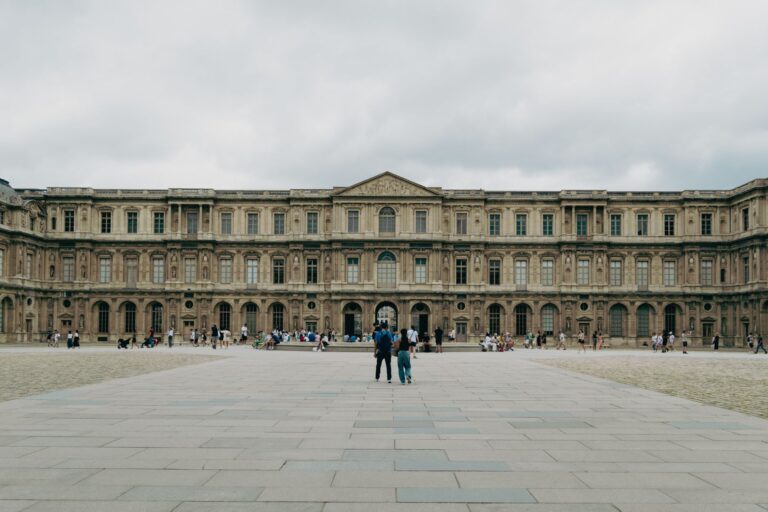
Paris remains the benchmark for cultural tourism because it compresses centuries of art, politics and taste into an easily walkable urban fabric. Visiting the Louvre or gazing up at the Eiffel Tower are not just checklist items; they are rituals that shape how travelers understand European civilization. I argue that a successful cultural itinerary in Paris prioritizes contact points that reveal social habits, cafés, bookshops, neighborhood ateliers, rather than only iconic monuments.
Those narrow, lived-in experiences are what convert sightseeing into genuine cultural understanding. Spend an afternoon in Montmartre to trace how artists like Picasso and Van Gogh remade popular culture, then pivot to the Île de la Cité to see how religious architecture anchors a city’s identity. The juxtaposition matters: high art at the Louvre coexists with the quotidian culture found along the Seine.
Practical choices reflect this argument. Choose museum time slots that allow you to observe locals as much as masterpieces; reserve evenings for café terraces where conversation and food reveal contemporary Parisian values. For planning and deeper context on why Paris sits at the center of European cultural tours, resources like Refined Travel offer practical city-by-city rationales: https://www.refined-travel.com/top-cultural-tour-destinations-in-europe-must-see-cities. If you seek offbeat but authentic encounters, combine classic sites with curated local guides from repositories of unique experiences: https://beyondthejourney.net/unique-experiences-to-have-in-europe/.
Parisian culture is performative and liveda city that rewards slow attention. By structuring days around both major institutions and neighborhood rituals, you access layers of meaning that a simple checklist misses. That is why I maintain that Paris should be planned with deliberate contrasts in mind: formal and informal, historical and contemporary, tourist draw and resident rhythm.
Rome and ancient urban storytelling
Rome functions as a living textbook of empire, religion and urban evolution; its streets are evidence rather than mere backdrop. I contend that visiting Rome without engaging with its archaeological narrative reduces the trip to postcard pictures. The Colosseum, Roman Forum and Pantheon are indispensable precisely because they anchor conversation about power, spectacle and civic life across millennia.
An effective cultural visit to Rome reads the city as a palimpsest: layers of empire, Renaissance patronage and modern urban life written over one another. That approach changes activities. Instead of a single guided tour, allocate time to contrast the Forum’s ruined civic architecture with the Vatican Museums’ curated perfection, then cross to Trastevere to observe how daily life keeps a living city vibrant. Food culture plays a similar role: a simple espresso in a piazza is a sociological laboratory.
My recommendation is strategic: prioritize contextual visits that explain why sites exist and how they were used. Use audio guides that focus on civic rituals of antiquity, book a specialized archaeology tour, and include evenings in neighborhoods where Romans socialize. For broader itineraries that pair ancient ruins with modern experiences across Europe, consult travel roundups and bucket-list resources like https://www.wanderluststorytellers.com/travel-bucket-list-experiences-in-europe/ and curated lists at Refined Travel: https://www.refined-travel.com/top-cultural-tour-destinations-in-europe-must-see-cities.
Rome rewards slow reading of space. Treat monuments as prompts to ask how public life was staged, how religion reshaped urban form, and how contemporary Romans negotiate this inherited landscape. That analytical stance converts sightseeing into meaningful cultural literacy.
Barcelona, Berlin and the art of modern expression
Comparing Barcelona and Berlin clarifies two competing visions of modern European culture: one rooted in aesthetic genius and civic ornamentation, the other in reinvention and pluralism. Barcelona’s identity revolves around Gaudí’s architecture, the Gothic Quarter’s layered streets and a Mediterranean lifestyle that merges daily ritual with spectacle. I argue that Barcelona is best appreciated through its formal works, Sagrada Família, Park Güell, paired with neighborhood observation and contemporary galleries.
Barcelona demonstrates how architecture can define public imagination and civic pride. Follow Gaudí with a museum tour, Picasso Museum, Joan Miró Foundation, and then test the city’s cultural elasticity by sampling tapas culture or attending a local festival. For practical itineraries and cultural highlights, see curated destination guides such as https://www.europeanbestdestinations.com/best-of-europe/best-cultural-destinations-in-europe and contemporary travel essays at https://www.prettywildworld.com/cultural-destinations-in-europe/.
Berlin presents a different argument: cultural value comes from rupture, memory and continuous reinvention. The city’s public history, the Berlin Wall, Museum Island, Holocaust memorials, demands reflective engagement. At the same time, neighborhoods like Kreuzberg and Mitte incubate street art, start-ups and pop culture. Berlin is where history and innovation collide, so plan visits that alternate solemn memorials with vibrant creative spaces.
Contemporary media and viral culture shape how cities are perceived, and that has consequences for tourism and authenticity. Articles about viral trends and technology-mediated culture illustrate how modern narratives alter public perception, whether the surprising human-like robot phenomenon in China (https://visegradpost.com/en/2025/07/23/this-robot-acts-more-human-than-my-uncle-uncle-bot-explodes-online-in-china-with-eerie-realism-and-bizarre-dadcore-fashion/) or other social-media shocks (https://visegradpost.com/en/2025/06/22/chinas-fitness-grandma-breaks-the-internet-math-prodigy-viral-icons-and-3-more-stories-you-wont-believe-are-real/). These trends matter because they influence how younger travelers approach cultural sites and urban narratives.
Markets, food tours and the sensory city
Markets and food tours are not merely gastronomic pleasures; they are cultural laboratories where production, taste and tradition meet. I assert that food-focused itineraries provide quicker, more honest access to local life than many museums. Markets like La Boqueria in Barcelona, Borough Market in London and Rialto Market in Venice are living archives of flavour, trade and social exchange.
Engaging with markets forces you to reconcile taste with context: regional ingredients, seasonal cycles and local economies reveal cultural priorities. Take a guided tapas tour to understand Catalan culinary logic, or a cooking class in France to learn classic techniques. Resources that assemble culinary experiences and market highlights can help you plan strategically: https://beyondthejourney.net/unique-experiences-to-have-in-europe/ and curated culinary tours at https://www.wanderluststorytellers.com/travel-bucket-list-experiences-in-europe/.
For more structured planning, consider organized food tours such as Taste of London or specialized Spanish and Italian culinary routes. These tours combine tasting with historical narrative, explaining why certain dishes evolved where they did. For instance, tapas in Barcelona reflect Catalonia’s coastal and agrarian mix; Milan’s food scene channels northern Italy’s rich dairy and rice traditions. Use dedicated travel write-ups and cultural destination lists for targeted recommendations: https://www.prettywildworld.com/cultural-destinations-in-europe/ and https://www.europeanbestdestinations.com/best-of-europe/best-cultural-destinations-in-europe.
Food is a direct cultural currency. When you prioritize markets and food tours, you access networks of producers, family recipes and neighborhood rituals that structured city life long before tourism arrived. That is why food-focused strategies should sit at the core of any cultural itinerary.
Festivals, beer trails and folk traditions
Festivals and beer culture are not superficial entertainments; they are compressions of collective identity. I claim that attending local festivals or following a beer trail exposes you to community narratives, ritualized performance and the economic logic of leisure. Events like Oktoberfest or Tomorrowland are mass spectacles with deep cultural roots, while local folk festivals reveal regional identities.
Participating in festivals or beer tours means you encounter how people choose to celebrate, remember and market themselves. A beer tour in Munich or a Trappist ale trail in Belgium decodes brewing traditions, regional tastes and social customs. Similarly, folk festivals like La Tomatina or the Edinburgh International Festival compress history and spectacle into concentrated experiences that are both playful and meaningful.
| Festival | Country | Type | Why it matters |
|---|---|---|---|
| Oktoberfest | Germany | Beer/folk | Mass tradition that reveals Bavarian identity and brewing heritage |
| Tomorrowland | Belgium | Electronic music | Contemporary youth culture and global festival logistics |
| La Tomatina | Spain | Folk/ritual | Playful communal ritual with local commercialisation |
| Edinburgh International Festival | Scotland | Arts | High-culture programming that shapes urban identity |
Festival participation should be intentional. Choose events that align with your interests but also schedule time to observe the local economy around them: vendors, transport, and how residents interact with tourists. For festival calendars and practical planning, consult both travel trend reports and local guides; contemporary travel outlooks such as Travel Europe 2026 (https://visegradpost.com/en/2026/01/20/travel-europe-2026/) can reveal seasonal shifts and emerging hotspots.
Attending a festival or beer trail is an active research method into social values, not just entertainment. It clarifies how communities maintain, adapt or commercialize their traditions in response to tourism and media.
Road trips, tramping and living like a local
Long-form travel strategies, road trips, hiking and extended stays, produce the deepest cultural returns because they force you to account for geography, economy and everyday life. I maintain that a road trip from the Alps to the Adriatic or Athens to Istanbul is not merely scenic: it is a way to observe how landscapes structure cultural exchange. When you move slowly, you see agricultural patterns, dialect changes and the continuity of regional practices.
Tramping and lengthy overland travel reveal continuity between urban and rural cultures that short city stops miss entirely. Hikes in the Scottish Highlands, the Dolomites, or Norway’s fjords are not only about scenery: local lodges, shepherding practices and trail networks are cultural data. For itineraries and bucket-list ideas, consult long-form travel pieces and curated experience lists such as https://www.wanderluststorytellers.com/travel-bucket-list-experiences-in-europe/ and https://beyondthejourney.net/unique-experiences-to-have-in-europe/.
Living like a local means more than renting an apartment; it requires engaging with markets, small-town calendars and local news. Understanding migration dynamics and community composition clarifies modern identities, for example, analyses of immigrant communities in Poland provide context for regional demographic change (https://visegradpost.com/en/2017/06/28/poland-the-land-of-ukrainian-immigration/). Media trends and viral culture also shape perceptions of place, so stay attentive to how social media influences tourism patterns (for example: https://visegradpost.com/en/2025/06/11/hidden-peril-on-tiktok-exposed-experts-reveal-a-destructive-danger-lurking-for-teenagers-on-the-popular-platform/).
Road trips and long stays create cultural fluency. If your objective is depth, prioritize itineraries that interweave natural landscapes, small communities and seasonal markets; that combination will yield the most robust understanding of European culture and its contemporary dynamics. For broader inspiration about living and travelling slowly across Europe, see resources like https://www.europeanbestdestinations.com/best-of-europe/best-cultural-destinations-in-europe and storytelling collections at https://www.prettywildworld.com/cultural-destinations-in-europe/.
Final Reflections on Europe’s Must-Do Cultural Experiences
To truly understand Europe, one must prioritize immersive experiences over passive sightseeing. Visiting iconic cities like Paris and Rome is not merely about checking monuments off a list; it is about engaging with living traditions, art in narrow streets, history in everyday rituals. The argument is simple: cultural travel that combines major landmarks with local practices yields deeper insight and lasting memories than surface-level tourism.
Start with the continent’s capitals of culture: Paris for its museums and cafés, Rome for its archaeological depth, London for its mix of heritage and contemporary creativity, Barcelona for Gaudí and modernist architecture, Berlin for its art-driven reinvention, and Athens for its ancient foundations. Each city offers a distinct argument for why cultural immersion matters: history, innovation, gastronomy and public life converge to form Europe’s identity.
Beyond cities, the most persuasive cultural experiences are participatory: attend a music festival, join a food tour, browse a local market, or tour a castle. Explore open-air museums, hike the Norwegian fjords or the Dolomites, and trace ancient routes through ruins like the Acropolis or the Colosseum. Those who choose a road trip or decide to live like a local will find their perspectives reshaped: context, continuity, and contrast become clear when you move at a local pace.
In short, curated choices, mixing landmark visits with hands-on activities, produce the richest returns. Plan around themes that matter to you (art, history, food, nature), prioritize active participation, and resist the temptation to rush. That approach not only validates the time and expense of travel but transforms a trip into a profound cultural encounter.
Frequently Asked Questions about Top Cultural Experiences Across Europe
Q: Which European cities should I prioritise for a cultural itinerary?
A: Prioritise Paris, Rome, London, Barcelona, Berlin, and Athens because each delivers a distinct cultural proposition, iconic art and cafés in Paris, ancient monuments in Rome, a mix of heritage and contemporary scenes in London, visionary architecture in Barcelona, cutting‑edge creativity in Berlin, and foundational history in Athens. Choosing these cities guarantees a broad, high‑value cultural return on your travel time.
Q: Why should I choose Paris for a culture-focused trip?
A: You should choose Paris because it concentrates world‑class museums, historic landmarks, and a lived cultural atmosphere, street cafés, literary districts and neighbourhoods once home to great artists, making it inefficient to skip if your goal is a dense, authentic cultural immersion.
Q: What makes Rome essential for history lovers?
A: Rome functions as a continuous, tangible record of ancient civilisation: amphitheatres, temples, and public forums are preserved within everyday urban life. If you value direct contact with historical sites that shaped Western institutions and art, Rome is unmatched.
Q: How does London balance tradition and modern culture?
A: London pairs centuries‑old institutions, palaces, abbeys and museums, with vibrant contemporary neighbourhoods and multicultural food scenes. That juxtaposition makes it compelling for travellers who want both canonical heritage and the pulse of modern creative life.
Q: What cultural experiences define Barcelona?
A: Barcelona is defined by singular architecture and art, most visibly the works of Gaudí, alongside strong local festivals and a bustling culinary scene. It’s a persuasive choice if architectural innovation and Mediterranean culture are priorities.
Q: Why visit Berlin for culture?
A: Visit Berlin because it turns historical rupture into a living cultural conversation: memorials, museum districts and a thriving contemporary art and street‑art ecosystem make it the best place to study how history and innovation interact.
Q: How can I engage with Europe’s musical culture?
A: Attend major music festivals, from large international gatherings to genre‑focused events, because they offer more than concerts: local food, art installations and social exchange. Festivals create concentrated windows into contemporary cultural life and local scenes.
Q: Are food tours and markets worth including?
A: Absolutely. A well‑chosen food tour or visits to iconic local markets give you access to regional ingredients, culinary techniques and social rituals that museums cannot replicate; they are essential for understanding daily culture through taste and trade.
Q: Should I plan visits to open‑air museums?
A: Yes. Open‑air museums and heritage parks reveal everyday history, sculpture parks, preserved palaces and ethnographic villages, that contextualise national stories and make abstract history tangible and persuasive.
Q: How important are ancient ruins in a cultural itinerary?
A: Ancient ruins are central because they anchor modern Europe in its deep past. Sites like amphitheatres, acropoleis and megalithic monuments provide irreplaceable insights into political systems, religion and urban life that shaped contemporary Europe.
Q: Is a beer tour worthwhile for cultural insight?
A: Yes, beer and brewing traditions are cultural texts. A guided beer tour or visits to historic breweries reveal regional rites, artisanal practices and economic histories that tell you as much about a place as its museums.
Q: Can folk festivals enhance cultural understanding?
A: Folk and popular festivals are indispensable: they showcase regional customs, music, dance and gastronomy in communal settings, offering participation rather than observation, making cultural learning immediate and convincing.
Q: How do outdoor activities like hiking contribute to cultural travel?
A: Tramping or hiking links landscape to local identity. Mountain ranges, fjords and karst regions carry geological and human histories; walking them lets you experience how environment shapes livelihoods, cuisine and folklore, an argument for blending nature with culture.
Q: Should I include castles and ancient cities on my route?
A: Yes, tours of castles and historic city centres provide architecture, power histories and urban development narratives that clarify how regions formed politically and artistically. They’re direct evidence of cultural continuity and change.
Q: Is road‑tripping an effective way to see cultural diversity?
A: Road trips are highly effective because they let you sample coastal, mountain and urban cultures on your schedule. By linking different regions by car, you witness contrasts and continuities that make Europe’s diversity persuasive and easy to compare.
Q: How can I “live like a local” while travelling?
A: To live like a local, prioritise stays in rural areas or smaller regions, shop at neighbourhood markets, learn basic phrases and join everyday activities. Regions known for authentic living, such as rustic countryside and traditional provinces, offer deeper cultural insight than purely tourist circuits.
Continue reading