



“They’re Shooting at Air”: Inflatable F-35 Decoys Are Tricking Enemy Drones and Missiles: and Changing Modern Warfare Forever
 By
Adam Kovács
By
Adam Kovács
| IN A NUTSHELL |
|
In the rapidly evolving landscape of modern warfare, deception has become a crucial strategy. The introduction of inflatable military decoys, such as those developed by Sea Wolf Global, represents a significant advancement in this field. These decoys, including life-size replicas of the F-35 fighter jet, are designed to mislead enemy sensors and protect valuable weaponry. As tensions rise globally, particularly in regions like Ukraine and Asia, the demand for such technologies is increasing. The strategic use of these decoys not only confuses adversaries but also deters aggression, providing a cost-effective solution in the face of expensive missile and drone attacks.
The Art of Deception in Modern Warfare
In the theater of modern warfare, deception plays a pivotal role. Advanced military decoys have emerged as a key tactic in confusing the enemy and safeguarding high-value assets. These inflatable mock-ups, which can mimic tanks, jets, and artillery, are gaining traction worldwide. They are designed to trick hostile sensors, mislead attackers, and even prevent conflict escalation. The resurgence of interest in decoy technology is particularly evident amid ongoing conflicts in Ukraine and escalating tensions in Asia.
The effectiveness of these decoys lies in their ability to imitate the radar and heat signatures of real military equipment. This not only draws enemy fire away from actual weaponry but also amplifies perceived military strength. By presenting a formidable facade, countries can deter potential aggressors without the exorbitant costs associated with deploying real hardware. As a result, the strategic use of decoys is becoming an indispensable component of military planning.
Inflatable Decoys: A Revolutionary Approach
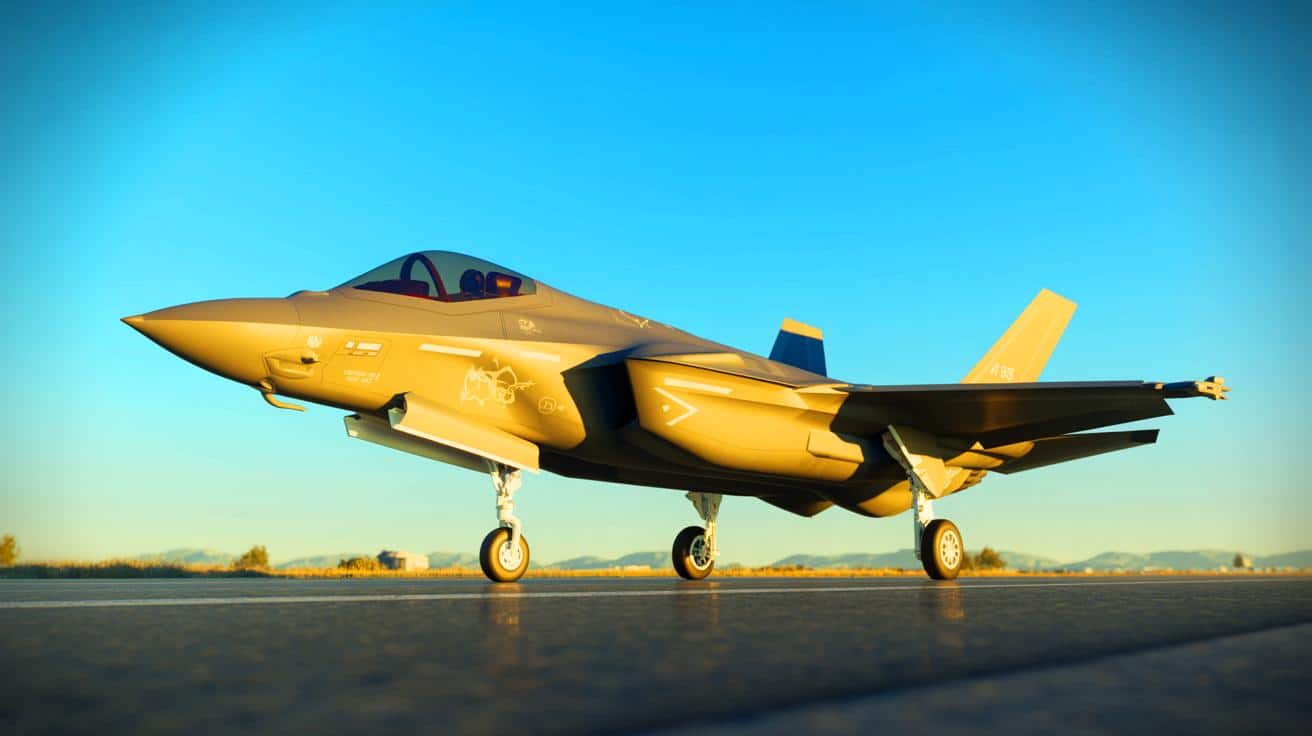
Sea Wolf Global, a South Korean company originally known for manufacturing life jackets, has made significant strides in developing inflatable military decoys. Among their innovations is a life-size replica of the F-35 fighter jet that unfolds from a compact box and inflates within minutes. Weighing approximately 172 kilograms, this decoy can be transported and deployed by just two people.
The decoys are meticulously designed to replicate the silhouette of advanced aircraft, making them indistinguishable from the real thing when viewed from satellites or the air. This ability to appear authentic encourages adversaries to expend their costly ammunition on these decoys rather than actual military assets. Beyond the F-35, Sea Wolf has also developed models of the K9 self-propelled howitzer and the K1A2 tank, with plans to expand to other foreign weapon systems like the U.S.-made HIMARS.
Technological Advancements and Capabilities
The sophistication of Sea Wolf's decoys extends beyond mere visual imitation. These models can emit electromagnetic waves and generate heat, allowing them to appear on enemy radar and infrared sensors. This makes distinguishing them from real weapons a challenging task for adversaries. Some decoys, like the F-35 and HIMARS models, even incorporate remote control capabilities, enabling them to mimic the movements and operations of actual vehicles.
This blend of technology and deception provides militaries with a dual advantage: they can protect their expensive assets while also projecting a stronger defensive posture. Such innovations highlight the importance of technological advancements in maintaining a strategic edge in modern warfare. As these decoys become more prevalent, they are expected to play a critical role in military tactics across the globe.
Growing Market and Future Implications
The market for inflatable military decoys is poised for significant growth. According to Strategic Market Research, the global industry is projected to expand from $1.1 billion in 2023 to $1.9 billion by 2030. This surge in demand is driven by the increasing need for cost-effective solutions in the face of sophisticated and expensive military threats.
Sea Wolf's inflatable F-35 decoy serves as a testament to the potential of this technology. Lightweight, portable, and convincingly realistic, these decoys offer a blend of deception and deterrence that is both effective and affordable. As global conflicts persist, the role of such systems in military strategy is likely to expand, prompting further innovations and adaptations in the field of military deception.
The evolution of military decoys reflects the broader trends in warfare, where technology and strategy intertwine to create innovative solutions. As nations continue to seek ways to protect their assets and assert their power, the role of inflatable decoys will undoubtedly grow. The question remains: how will advancements in military deception shape the future of global conflict and defense strategies?