



Shield AI Unveils Unmanned Fighter Jet: A New Era for Drone Wingmen and Solo Military Aircraft Operations
 By
Adam Kovács
By
Adam Kovács
| IN A NUTSHELL |
|
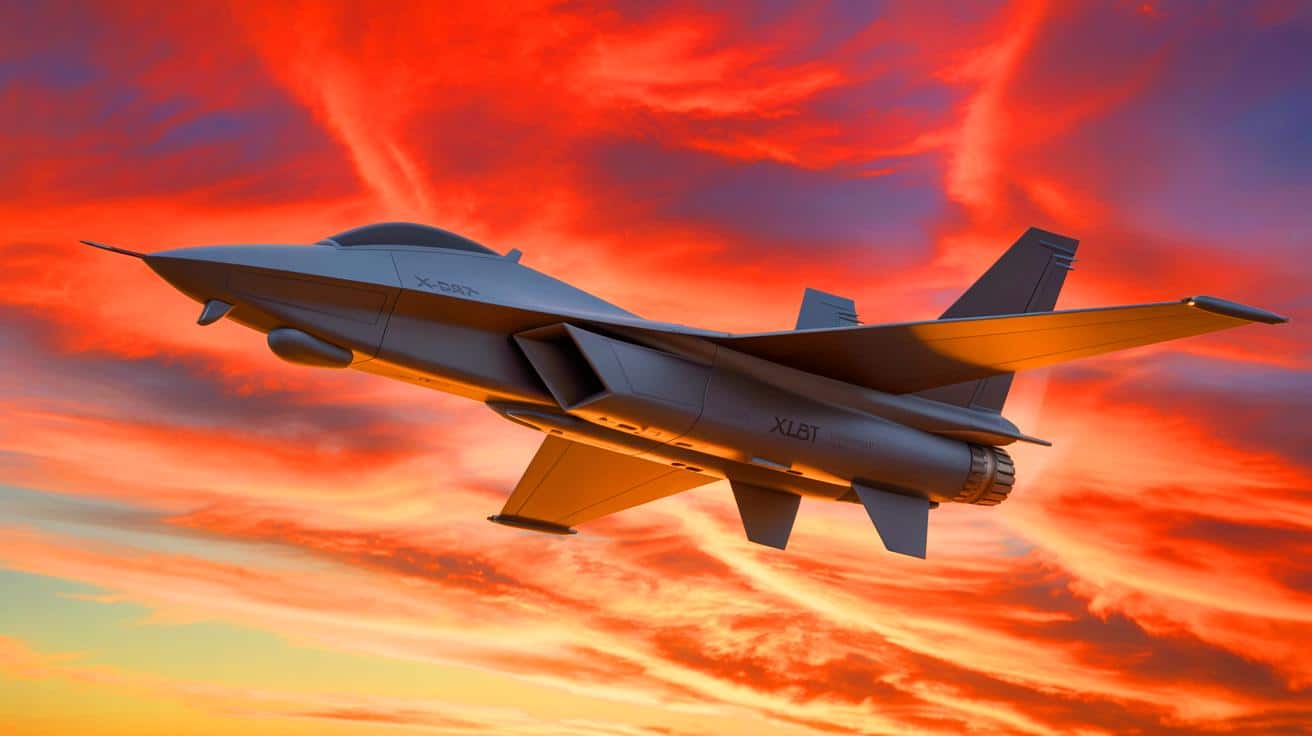
In a significant stride for military aviation and artificial intelligence, Shield AI has unveiled its latest innovation: the X-BAT, an unmanned fighter jet that can function as both a drone wingman and a standalone aircraft. This development underscores the ongoing shift in military strategy towards autonomous and versatile aircraft systems. As defense companies race to integrate AI into military operations, the X-BAT stands out for its ability to operate independently or in collaboration with manned aircraft, offering new tactical advantages on the battlefield. This announcement is particularly timely as global militaries increasingly prioritize unmanned aerial capabilities.
Unveiling the X-BAT: A New Era in Aviation
Shield AI, a prominent AI developer based in San Diego, introduced its first unmanned fighter jet, the X-BAT, at a private event in Washington, D.C. This innovative aircraft is designed to perform vertical takeoffs and landings, showcasing the latest advancements in drone technology. The concept is not just a technological marvel but a strategic asset, providing the military with enhanced flexibility and operational efficiency. According to Armor Harris, Shield AI’s senior vice president of aircraft, the X-BAT can autonomously carry out missions alone or alongside other aircraft, simplifying kill chains and expanding operational reach.
The X-BAT’s design allows it to take off from various platforms, including cargo ships and aircraft carriers, making it a versatile choice for diverse military operations. The aircraft’s design and functionality reflect the military’s shift away from traditional runway-dependent aircraft towards more agile and adaptable solutions. Its unveiling marks a pivotal moment in the drone industry, as the U.S. military and other global forces increasingly seek to integrate such advanced technologies into their strategic frameworks.
Technological Capabilities and Strategic Implications
The X-BAT is equipped to handle a range of missions, including strike, counter air, and electronic warfare, as well as intelligence, surveillance, and reconnaissance. Its ability to carry both air-to-air and air-to-surface munitions enhances its versatility on the battlefield. With a range of 2,000 nautical miles, the X-BAT is adept at executing long-distance missions, including “island-hopping” operations, which are crucial for maintaining strategic advantages in contested areas.
Shield AI’s announcement follows similar initiatives from major defense contractors like Boeing and Lockheed Martin’s Sikorsky, who have also revealed their own unmanned VTOL aircraft. This trend reflects a broader movement within the defense industry towards developing autonomous systems that can operate in tandem with or independent of manned aircraft, providing military forces with unprecedented operational flexibility and capability.
Collaborations and Milestones
Shield AI has already achieved significant milestones in collaboration with the U.S. military. Its V-BAT VTOL recon drones have been successfully deployed alongside Marines and used by Ukrainian forces to identify and neutralize threats amidst electronic warfare. These achievements highlight the effectiveness of Shield AI’s autonomous systems in real-world combat scenarios.
Further cementing its reputation in the defense sector, Shield AI was a finalist for the prestigious 2023 Robert J. Collier Trophy, thanks to its collaborative efforts with the Defense Advanced Research Projects Agency’s Air Combat Evolution Team. This recognition underscores the company’s commitment to advancing AI-driven aviation technologies and its potential to redefine air combat dynamics.
The Future of Autonomous Military Aviation
The X-BAT’s introduction is part of a broader shift towards autonomous military aviation. The U.S. Navy and Air Force are actively exploring Collaborative Combat Aircraft (CCA) concepts, with Shield AI playing a pivotal role in these developments. As the Air Force prepares to award the next round of CCA contracts, companies like Shield AI, Anduril, and General Atomics are competing to shape the future of military aviation.
These advancements underscore the increasing importance of AI in military operations, as it offers the potential to enhance strategic capabilities and operational efficiency. As militaries worldwide continue to integrate autonomous systems, the X-BAT and similar technologies are poised to become central components of future defense strategies, transforming how air superiority is achieved and maintained.
As we witness these technological advancements reshaping military aviation, one question remains: how will the integration of AI and autonomous systems influence global military strategies and the future of warfare?