



B-21, Sentinel Projects Get $850M Boost, Sparking Debate on Military Spending and Local Economic Impact
 By
Adam Kovács
By
Adam Kovács
| IN A NUTSHELL |
|
The recent allocation of funds for the B-21 bomber and Sentinel ICBM programs marks a significant step in the United States’ ongoing efforts to modernize its military capabilities. This comes in the wake of the longest government shutdown in U.S. history, during which lawmakers negotiated a comprehensive funding package. The package, now signed into law, provides the Air Force with $3.9 billion for military construction projects, exceeding initial budget requests. Of particular note is the $850 million earmarked for projects related to the B-21 and Sentinel programs, which aim to enhance the U.S. Air Force’s operational readiness and strategic deterrence capabilities.
The B-21 Bomber: A Strategic Investment
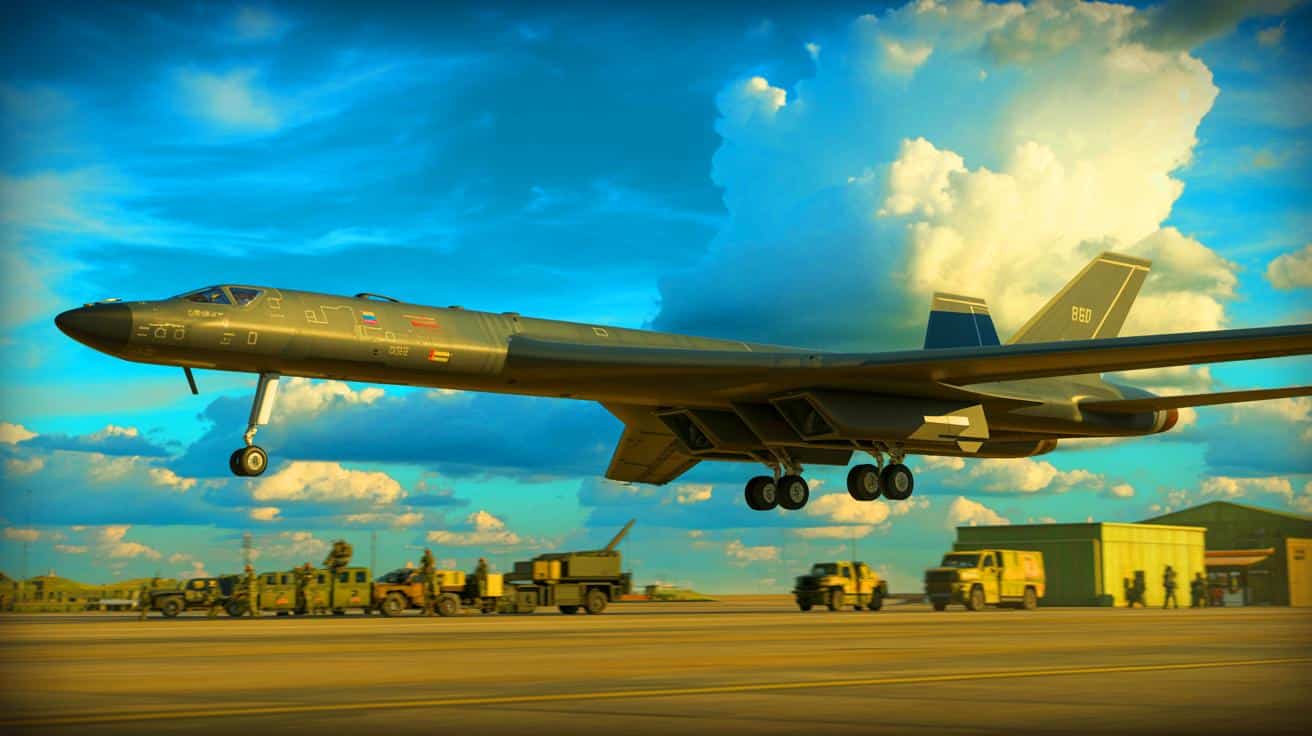
The B-21 Raider, a critical component of the Air Force’s modernization strategy, is slated to become the backbone of the U.S. strategic bomber fleet. Recent funding allocations underscore bipartisan support for this initiative. The B-21 projects span across several key Air Force bases, including Ellsworth, Whiteman, and Dyess. These projects involve building simulators, alert facilities, and other infrastructure essential for the bomber’s deployment.
Ellsworth Air Force Base is set to be the first main operating base for the B-21, a decision that highlights its strategic importance. Meanwhile, Whiteman and Dyess Air Force Bases have been identified for subsequent operations. The Air Force’s plan to acquire 100 B-21s by the mid-2030s reflects a long-term commitment to maintaining air superiority. This investment is seen as crucial for ensuring the United States’ ability to project power globally and deter potential adversaries.
Sentinel ICBM Program: Modernization Amid Challenges
The Sentinel ICBM program also received a significant boost, with $130 million allocated for a utility corridor at F.E. Warren Air Force Base. This initiative is part of a broader effort to update the missile system’s infrastructure, including replacing outdated copper wiring with modern fiber-optic cables. This modernization is crucial for maintaining the reliability and security of the nation’s nuclear deterrent.
However, the Sentinel program has faced challenges, including cost overruns and technical hurdles. The recent funding package aims to address these issues by accelerating infrastructure improvements and ensuring the program stays on track. Lawmakers have emphasized the importance of keeping the Sentinel program on schedule to meet strategic objectives and maintain national security.
Infrastructure Enhancements and Hardened Shelters
Beyond the immediate focus on the B-21 and Sentinel programs, the funding package also addresses broader infrastructure needs. One of the key directives is to evaluate the feasibility of constructing hardened shelters to protect aircraft and personnel from both environmental and military threats. This initiative is partly in response to the recent drone attack on Russia’s strategic bombers, which highlighted vulnerabilities in aircraft protection.
The Air Force has been tasked with assessing the costs and feasibility of building such shelters, particularly for assets deemed strategically valuable. This move reflects a growing awareness of the need to protect critical military infrastructure in an increasingly volatile global security environment. The outcome of this assessment could lead to significant changes in how the Air Force safeguards its assets.
Implications for Military Readiness and Global Security
The recent funding allocations for the B-21 and Sentinel programs have far-reaching implications for U.S. military readiness and global security. By investing in advanced technology and infrastructure, the United States aims to maintain its strategic edge and deter potential adversaries. The modernization of the B-21 and Sentinel programs is expected to enhance the Air Force’s operational capabilities, providing a robust deterrent against emerging threats.
However, the path forward is not without challenges. The complexity of these programs, coupled with budgetary constraints and technical hurdles, requires careful management and oversight. As the Air Force moves forward with these initiatives, it must balance the need for modernization with fiscal responsibility, ensuring that taxpayer dollars are used effectively.
As the United States continues to invest in its military capabilities, questions remain about the broader implications for international relations and global security dynamics. How will these advancements influence the U.S.’s strategic posture, and what will be the reaction from other global powers? The answers to these questions will shape the future of international security and the role of the United States on the world stage.