



Hegseth Unveils Major Acquisition Overhaul, Urges Industry to Adapt for Future Success and Innovation
 By
Adam Kovács
By
Adam Kovács
| IN A NUTSHELL |
|
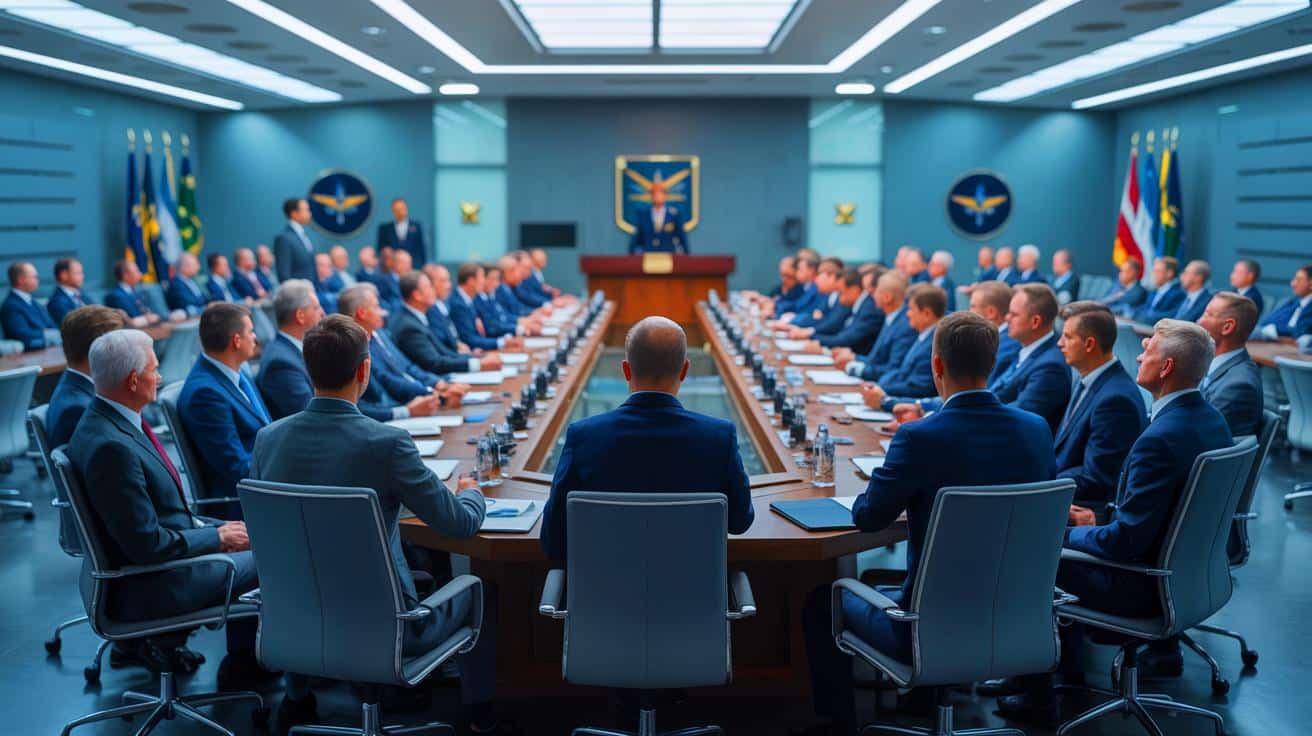
The recent address by Defense Secretary Pete Hegseth at Fort McNair signals a pivotal shift in U.S. defense acquisition strategies. Speaking to a room filled with industry executives, Hegseth outlined a series of policy changes designed to modernize acquisition processes by prioritizing speed over rigid requirements. The changes are intended to replace outdated Cold War-era systems with ones that better suit the fast-paced demands of modern warfare. The message was clear: defense companies need to invest more in developing military technology or risk being left behind. The directives have already sparked discussions across the defense industry, reflecting a broader trend toward innovation and efficiency.
Revolutionizing Defense Acquisitions
Secretary Hegseth’s speech highlighted a fundamental overhaul of the defense acquisition system. The transformation involves renaming the existing Defense Acquisition System to the “Warfighting Acquisition System.” This rebranding aims to reflect a new approach focused on agility and speed. The current system, criticized for its bureaucratic inefficiencies, will be replaced by a dynamic and competitive vendor environment. The shift is not just semantic; it requires industry players to adapt or face obsolescence.
Hegseth emphasized the need for companies to invest their own capital instead of relying solely on taxpayer dollars. This investment is crucial for upgrading facilities, enhancing workforce skills, and expanding production capacities. The call to action is clear: companies must align themselves with the long-term vision of the Department of Defense or risk being sidelined. The anticipated changes have already begun to reshape the landscape, encouraging a move away from traditional prime contractor dominance to a more diverse and competitive market.
Industry Response and Challenges
The response from industry insiders has been mixed. While some see the new directives as an opportunity for growth, others are preparing for substantial challenges. Steve Blank, a professor at Stanford University, described the changes as a “death knell” for the existing acquisition system. He predicts that major defense contractors will lobby against the reforms, citing increased risks and potential failures.
The new focus on speed and commercial technology disrupts the status quo, pushing traditional contractors to compete with startups capable of rapid innovation. The shift from cost-plus to fixed-price contracts further complicates the landscape. While fixed-price contracts offer predictability, they also introduce risks of their own. The transition requires a cultural shift within companies, urging them to embrace risk-taking and innovation as foundational principles.
Streamlining Foreign Military Sales
Beyond domestic acquisitions, Hegseth addressed the need to improve the foreign military sales process. Complaints about delays and inefficiencies have plagued the system, prompting calls for reform. The restructuring aims to enhance the U.S. ability to deliver on international commitments more effectively. The changes will move the responsibility for foreign military sales from the policy shop to the acquisition shop, signifying a more integrated approach.
Improving these processes is not just about efficiency; it’s about strengthening strategic alliances. Providing allies with the best and most interoperable weapons systems fortifies the U.S. position on the global stage. The focus on interoperability and timely delivery underscores the importance of maintaining strong international partnerships. However, the success of these initiatives will depend on the commitment of resources and a coordinated effort across all levels of the defense sector.
Future Implications and Opportunities
Hegseth’s directives have broad implications for the future of U.S. defense capabilities. By encouraging a competitive vendor environment and prioritizing speed, the Pentagon aims to foster innovation and resilience. The emphasis on commercial technology and fixed-price contracts aligns with a broader trend toward efficiency and accountability.
Industry leaders and policymakers will need to navigate these changes carefully. The success of the new acquisition system will hinge on the ability to balance speed with strategic considerations. As the defense industry adapts, new opportunities for growth and collaboration may emerge, paving the way for a more agile and responsive military apparatus. The challenge lies in executing these changes effectively while managing the inherent risks and uncertainties.
As the U.S. defense industry enters this new era of acquisition reform, questions remain about the long-term impacts on both domestic and international fronts. Will these changes lead to a more efficient and effective military, or will the complexities of implementation hinder progress? How will traditional defense contractors adapt to the new competitive landscape, and what role will innovation play in shaping the future of national security?
Continue reading