


Europe’s circular economy target needs skills as well as recycling capacity
The EU aims to raise circular material use to 24% by 2030. With recycled sources accounting for 12.2% of materials used in 2024, training and workplace decisions are becoming part of the challenge.
 By
Adam Kovács
By
Adam Kovács
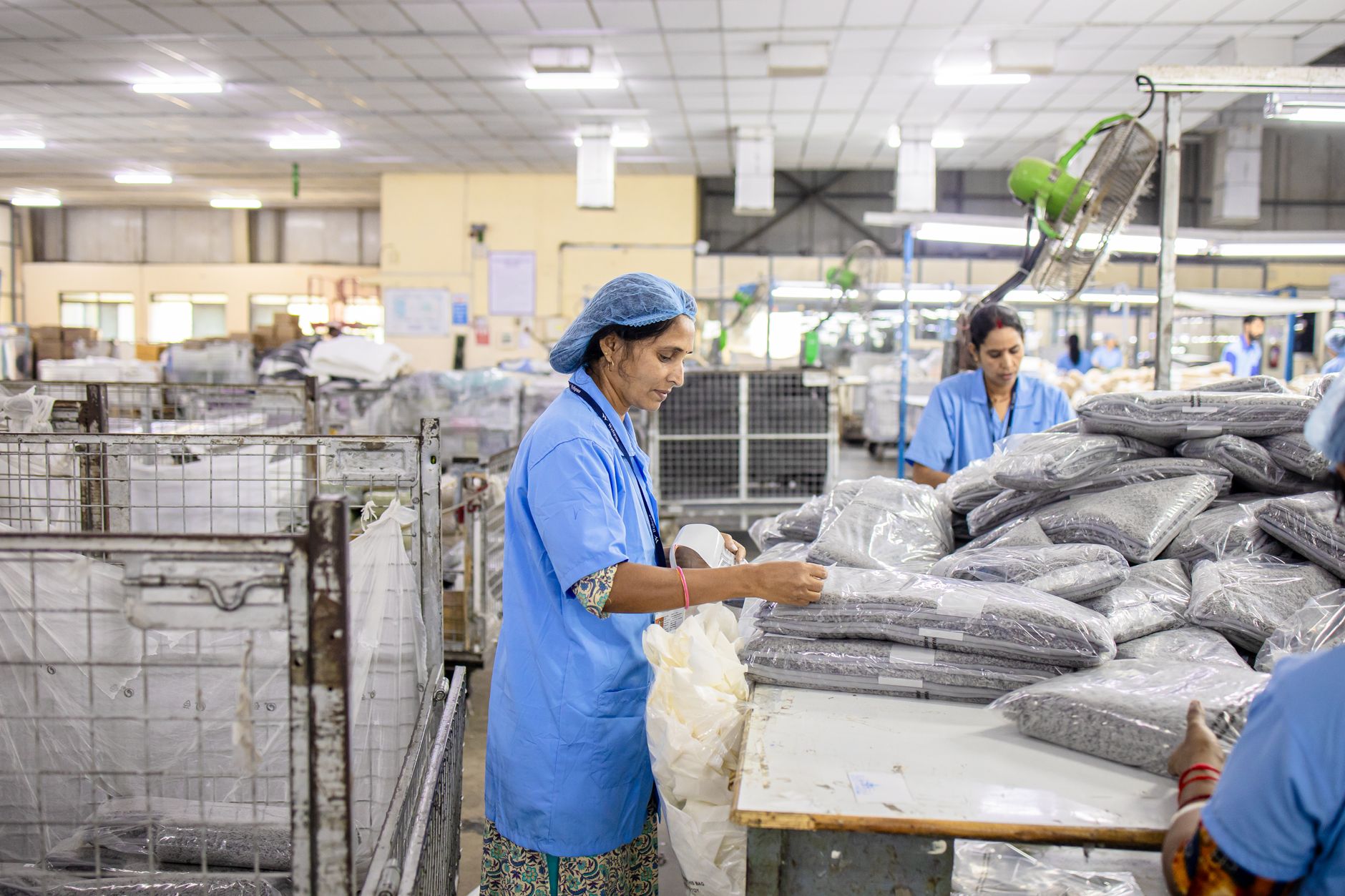
Europe used recycled sources for 12.2% of its materials in 2024, according to Eurostat figures reported by The Conversation. The figure puts the scale of the EU’s circular-economy ambition into focus: the Clean Industrial Deal sets a target of 24% circular material use by 2030. Recycling capacity matters, but so do the people who specify materials, approve purchases, maintain equipment and organise production.
In brief
- Eurostat reported that recycled sources supplied 12.2% of materials used in the EU in 2024.
- The Clean Industrial Deal sets a 24% circular material use target for 2030.
- The European Environment Agency estimates that progress of more than 1.7 percentage points a year would be needed to reach that target.
- The Become project has developed modular circular-economy training for educators and company practitioners in four European countries.
For readers, the transition is not confined to sorting waste at home. It can affect the availability and design of products, the way used materials are collected and reused, and the skills sought by employers across construction, manufacturing and repair. The shift also has an economic dimension, which sits alongside other developments tracked in the site’s European economy coverage.
A target that demands faster progress
The EU’s 2020 Circular Economy Action Plan promised to double the recycled share of materials by 2030. The current 24% target therefore represents a substantial increase from the 2024 level. The European Environment Agency has calculated that achieving it would require progress of more than 1.7 percentage points each year, a pace greater than the progress Europe made in total between 2010 and 2024, according to The Conversation.
These figures describe circular material use, which is broader than the everyday idea of recycling. It concerns the proportion of materials entering the economy that come from recycled sources. Separate measures can tell different parts of the story. A World Bank assessment of the EU’s circular transition reported that recycled materials represented 8.6% of total raw-material input in Europe, while also noting that circular business models remained peripheral in most markets.

The gap between collection and reuse is especially visible in textiles. Since January 2025, every EU country has been required to collect used clothing separately. Yet separate collection is not the same as recycling: sorting, processing, demand for recovered fibre and viable routes back into production all remain necessary.
Why workplace skills are part of the transition
A circular economy requires decisions that differ from a linear model of taking raw materials, making products, using them and discarding them. A buyer may need to assess whether a reused component meets specifications. A maintenance planner may need to evaluate repair rather than replacement. Finance and management teams may need measures that capture retained material value as well as waste sent away.
That is where training can contribute, without being a substitute for investment, market demand or policy. The World Bank cautions that labour-market effects, particularly for lower-skilled workers, will need to be managed during an ambitious transition. This makes access to practical learning important for workers whose roles may change as organisations alter their material flows.

The Become project, short for Boosting Circular Economy Expertise through learning communities, brings together four universities, two vocational colleges and four employers in Finland, the Netherlands, Slovenia and Bulgaria. Its consortium mapped circular-economy skills in the four regions, developed modular training materials and held a training week for around 30 educators in May 2025. A further training week involved 20 company practitioners in March 2026.
From targets to everyday implementation
The project’s approach points to a practical question for organisations: which people make the decisions that determine whether a material is reused, repaired or replaced? Training focused only on a sustainability team may miss staff who set procurement rules, plan maintenance or assess costs.
Become’s practitioner training is expected to include educator materials and implementation worksheets scheduled for publication in autumn 2026. The materials are intended to be free to use and modify. Their future availability does not demonstrate an effect on recycling rates, but it illustrates how educators and employers can be brought into the same implementation process.
For households, separate clothing collection offers a visible example of how systems can change before circular outcomes are assured. For employers and public bodies, the more immediate task is to connect targets with the skills, purchasing practices and operational choices that allow recovered materials to be used in practice. Europe’s 2030 target remains an ambition, not a guaranteed result, and progress will depend on more than training alone.
Photo: EqualStock IN / Pexels
Continue reading