

Discovering Europe’s most beautiful coastlines
 By
Adam Kovács
By
Adam Kovács
|
IN A NUTSHELL |
|
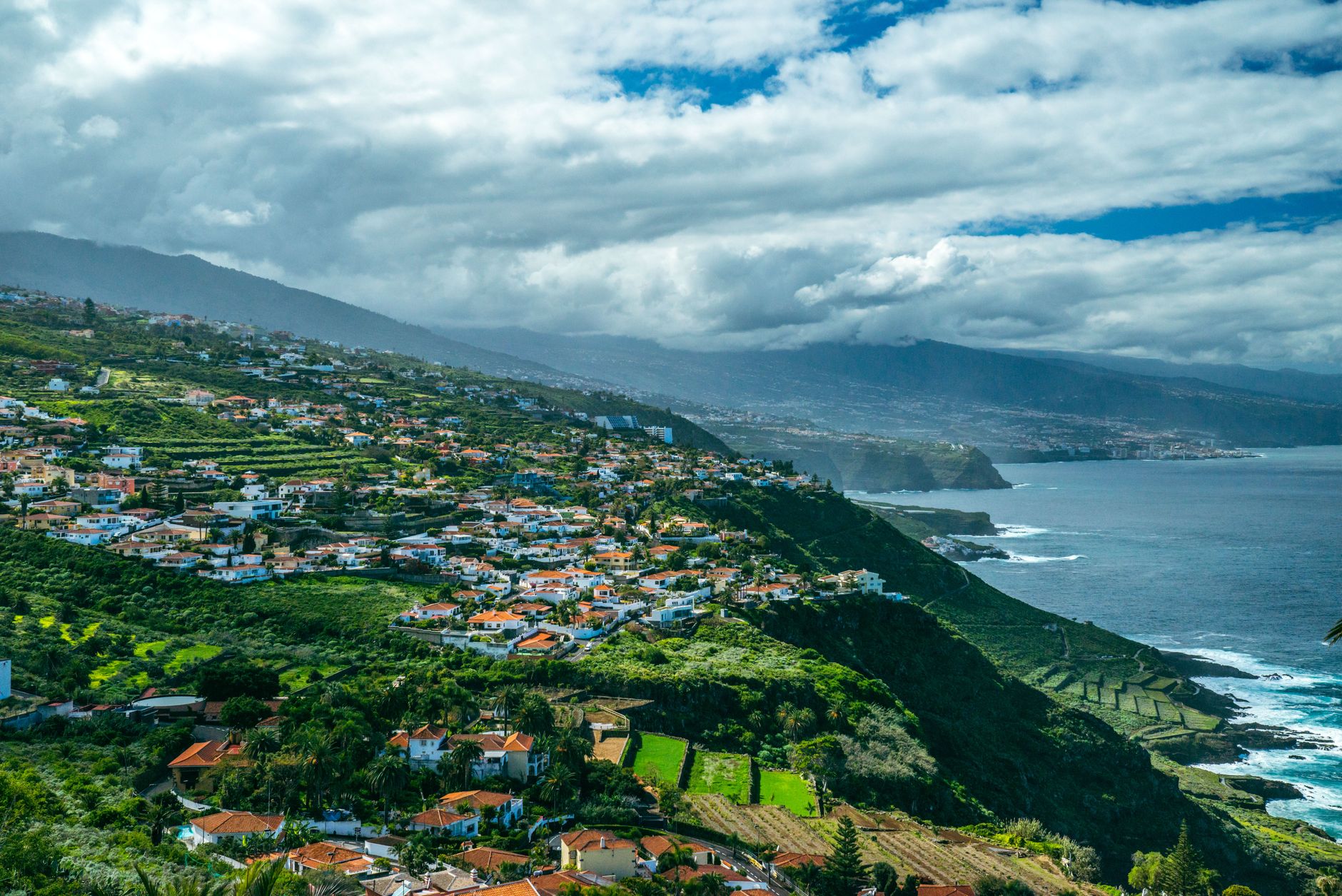
Europe’s coastlines are a study in contrasts: from the windswept granite coves of Cornwall and the basalt cliffs of southwest Portugal to the sunlit promenades of the French Riviera. For travellers who prize drama and detail, the question isn’t whether Europe has beautiful shores but which ones deserve top billing. A decade ago, our first “wow” moment came in Malta, where clear blue bays and cliff-fringed beaches convinced us to pursue a longer relationship with the continent and ultimately informed our decision to apply for permanent residency, an unexpectedly practical response to an emotional pull.
This introduction argues that a short list can still capture essential variety: the cinematic terraces and pastel villages of the Amalfi Coast and Cinque Terre, the cosmopolitan sweep of the Côte d’Azur, the rugged surf and golden cliffs of the Algarve, and the Basque elegance of San Sebastián. Each coastline combines natural spectacle with cultural layers, fishermen, festivals, and food, that make these stretches more than scenery; they are destinations that shape why people return.
Why Europe’s coastline diversity matters
Europe’s coastlines are not just scenic backdrops; they are decisive factors in how people choose where to live, where to retire and how to travel. The variation between jagged fjords, golden Mediterranean strands and wind-swept Atlantic cliffs creates distinct cultures, economies and environmental priorities along the shore. Those differences matter because they shape accessibility, local livelihoods and the type of experience a visitor or new resident will actually get. Choosing a coastline should be a strategic decision informed by climate, infrastructure and the kind of daily life you want.
The argument that some coasts outperform others for quality of life is supported by observable trends: people move toward lower-cost yet high-amenity coasts, and retirees shift preferences based on healthcare and affordability. For recent evidence of migration pressures and shifting retiree choices, see reporting on Europeans moving between coastal regions and the economic forces behind those moves: this analysis of retiree relocations. Likewise, conservation-minded travelers increasingly demand sustainable options when evaluating coasts, as discussed in work on responsible coastal travel: how to travel sustainably in Europe. These are not abstract considerations; they directly affect service quality, preservation of coastal ecosystems and the long-term appeal of any shoreline.
Finally, the way you evaluate a coastline should be evidence-based. Guides like expert coast roundups, curated lists from travel publishers such as Oyster and practical trip ideas from operators like Exodus provide different lenses, beauty, logistics, and itineraries. It is reasonable to argue that a truly great coastline must balance aesthetic, cultural authenticity and practical livability. Those three criteria should guide any decisive claim about which European shores deserve the label “most beautiful.”
The Mediterranean jewels: Amalfi, Cinque Terre and Côte d’Azur
The Mediterranean coastline consistently ranks at the top of “most beautiful” lists because of its combination of dramatic geology, millennia-old settlements and a climate that encourages outdoor life year-round. Consider the Amalfi Coast: a compressed mosaic of cliffside villages such as Positano and Ravello where roads carve ribbon-like routes between steep terraces and the sea. The visual drama is undeniable, but the practical case is that the Amalfi region supports a dense hospitality network and cultural institutions that keep it vibrant beyond the high season. That mix of glamour and accessibility is why many travel writers and photographers keep returning.
Cinque Terre offers a contrasting but equally compelling argument. The five villages, Monterosso, Vernazza, Corniglia, Manarola and Riomaggiore, present a centuries-old human response to steep coastal terrain: terraced vineyards, stacked houses and narrow maritime paths. That aesthetic is paired with strong protections that limit overdevelopment; the restraint makes a persuasive case that beauty is preserved when growth is managed. Guides and lists such as Tripzilla’s selection reinforce this, emphasizing how regulatory measures can protect landscape value while maintaining visitor access.
The Côte d’Azur introduces a different kind of argument: luxury and light. From Nice to Saint-Tropez and Monaco, the Riviera demonstrates how concentrated wealth and culture can create a globally recognized coastal brand. Critics will say that glamour displaces local character; defenders point to museums, festivals and sustained investment in public spaces. Either way, the French Riviera remains a powerful example of how coastal identity is manufactured and maintained. For comparative lists that mix perspectives, beauty, accessibility and cultural significance, consult roundups like Pure Destinations and analytical pages that synthesize traveler experiences with practical notes from publishers like Oyster.
| Coast | Country | Key strengths | Best season |
|---|---|---|---|
| Amalfi Coast | Italy | Panoramic villages, cultural events, dramatic cliffs | Late spring to early autumn |
| Cinque Terre | Italy | Protected landscapes, hiking, historic terraces | Spring and autumn |
| Côte d’Azur | France | Luxury amenities, festivals, iconic beaches | Summer and shoulder seasons |
The Atlantic powerhouses: Algarve, Cornwall and the Basque coast
The Atlantic edge of Europe argues a different case for beauty, one rooted in raw energy rather than Mediterranean polish. Algarve makes its case with golden cliffs plunging into emerald waters, sea caves and wide beaches that shift from sheltered coves to open Atlantic surf. The Algarve’s recent accolades, such as TripAdvisor recognition for Falésia beach, are not accidental; they reflect both natural assets and a tourism infrastructure that has scaled without completely erasing local flavor. That sustained appeal is why some argue Algarve must be included among the continent’s most persuasive coastlines. For broader context on top coastal choices, see curated lists like Explore the Coast and Exodus Travels.
Cornwall, and specifically places like Mousehole, makes a contrary but convincing argument: beauty is quieter and more communal on Atlantic coasts. Granite cottages, compact harbors and a culture adapted to harsh weather produce a living landscape with authenticity that resorts cannot replicate. The case for Cornwall is not only visual but social: small communities preserve traditions, festivals and culinary specialities that attract travelers looking for depth over spectacle.
The Basque coast exemplifies the merger of natural force with culinary seriousness. San Sebastian and Getaria balance dramatic coastal roads with world-class cuisine and txakoli vineyards clinging to slopes above the sea. This is a coastline where gastronomy and place are inseparable, and where surfers, families and gourmets can all make credible claims to the shore. Combined, the Atlantic coasts force the conclusion that Europe’s beauty is not uniform, it is argumentative, diverse and context-dependent. For lists that highlight both rugged and refined examples, consult Tripzilla and compilation pieces like Tripzilla’s selections and travel features on coastal authenticity.
Island harbors and Adriatic charm: Malta, Croatia and Greece
Islands and Adriatic towns build their arguments for beauty on intimacy and continuity. Malta is instructive: its bays and limestone coastlines, exemplified by popular beaches such as St Julian’s Bay, convinced many to see the archipelago as more than a holiday spot, some even used Malta residency options to anchor their European mobility. This is a practical reminder: coastlines can be gateways to broader life decisions, not merely short-term escapes. The clarity of Maltese waters and the mix of sand and rock form a tangible offer for both swimmers and property seekers.
Croatia’s Dalmatian coast, a ribbon of islands and ancient ports, argues persuasively that conservation and low-impact tourism can preserve maritime character. Komiža on Vis, Primošten’s peninsula and Perast in the Bay of Kotor make a collective case: small ports with living fisheries and measured tourist flow maintain authenticity and culinary quality. Those attributes are why travel editors continue to include Dalmatia in authoritative lists such as Oyster’s and Pure Destinations’ compilations.
Greece’s island harbors, from Naoussa in Paros to the pastel fishing quarters of Procida, present an argument for the visual economy of whitewashed architecture, bougainvillea and sheltered coves. The island model, compact, walkable, deeply local, creates intense, repeatable pleasures for visitors who seek calm, good food and reliable swimming spots. For an organized comparison of coastal gems and practical itineraries, consult resources like Oyster and curated analyses of Europe’s hidden coastal treasures at Visegrad Post.
Northern extremes and emerging considerations: Lofoten, Bay of Kotor and sustainability
The north bolsters a crucial argument: beauty can be austere, even severe, and still be overwhelmingly compelling. The Lofoten archipelago around Reine offers jagged peaks plunging into glassy fjords, where the landscape itself is the attraction and built infrastructure is modest by necessity. Such places make the case that scale and restraint often amplify scenic value more than lavish development. Those who value unmediated nature will find the Lofoten example decisive.
The Bay of Kotor, with towns like Perast, presents a complementary argument: enclosed bays framed by mountains create an intimacy that rivals open seas. Baroque palaces and tiny man-made islets such as Our Lady of the Rocks argue for a coastal beauty that is cultural as much as natural. These sites demonstrate that historical layering enhances coastal value, history and landscape mutually reinforce charm.
Finally, any responsible evaluation must consider sustainability and geopolitics. Travel patterns and coastal demand change under demographic pressures, migration research and sudden political events. Articles exploring migration routes and broader human movements provide a backdrop to understanding long-term coastal change: migration research and reporting on geopolitical shocks, even unexpected ones like covert military controversies, highlight how fragile perceptions of safety can be (case in point). Therefore, sustainable travel guidance from industry and press, such as practical sustainability advice and curated coastal lists, must influence choices going forward (sustainable travel guidance, Pure Destinations, Exodus, Oyster, Explore the Coast).
Final Reflections on Discovering Europe’s Most Beautiful Coastlines
Europe’s coastlines are not merely scenic backdrops; they are compelling arguments for why travel matters. From the sheltered coves of Malta to the sun-drenched terraces of the Amalfi Coast, the continent offers a spectrum of coastal experiences that combine natural drama with cultural depth. The variety, rocky fjords in Norway, golden cliffs in the Algarve, pastel harbors in the Mediterranean, proves that beauty is not a single aesthetic but a constellation of qualities: beaches, architecture, local cuisine, and the rhythm of daily life by the sea.
It is reasonable to argue that the most memorable coasts are those where landscape and human story meet. Villages like those in Cinque Terre or tiny ports such as Manarola and Perast demonstrate how centuries of fishing, wine-making, and artisan craft shape a place as much as geology does. Even the glamour of the Côte d’Azur serves a purpose beyond spectacle: it concentrates cultural events, design, and culinary excellence in ways that transform a coastline into a global node. Conversely, quieter spots, Azenhas do Mar, Komiža, or Mousehole, remind us that authenticity and solitude are equally persuasive attractions.
Practical considerations reinforce the case: accessibility across Europe allows travelers to compare contrasting shores within days, and residency or visa options, exemplified by experiences in Malta, can convert a fleeting visit into an extended relationship with the region. Food, too, is an unassailable point, grilled turbot in Getaria, freshly caught sardines in Ericeira, or limoncello on a Ligurian terrace make sensory claims that no photograph can fully refute.
Thus, when assessing Europe’s coastlines, one must weigh more than postcard views. The strongest contenders combine dramatic cliffs, living traditions, and easy access to moments of quiet wonder. That combination explains why certain stretches keep drawing return visitors and why discovering Europe’s shores remains an endlessly persuasive pursuit.
Q: Which coastlines are presented as the most beautiful in Europe? A: The piece highlights the dramatic charm of the Amalfi Coast, the Basque elegance of San Sebastian, the cliffside villages of the Cinque Terre, the glamour of the Côte d’Azur, and the golden cliffs and beaches of the Algarve, each chosen for distinct landscape and cultural appeal. Q: On what basis were those coastlines selected? A: Selection rests on clear criteria: striking scenery (cliffs, coves, fjords), authentic coastal villages, memorable beaches, and a mix of cultural and recreational opportunities, qualities that make a coastline objectively and subjectively outstanding. Q: Why does the author emphasize Malta and St Julian’s Bay in their narrative? A: Malta served as the travel catalyst: its crystalline waters, sheltered bays like St Julian’s Bay, and mild sea temperatures convinced the author to seek a Malta permanent residency, which in turn unlocked easier travel across Europe via a flexible Malta visa. Q: The Algarve wasn’t on every magazine list, does it still deserve attention? A: Absolutely. The Algarve combines golden cliffs, often emerald waters, and beaches that regularly top user-driven rankings; overlooking it because it missed a single editorial list ignores tangible natural beauty and visitor experience. Q: Which coastal villages are recommended for a short getaway? A: For weekend escapes the text champions gems like Manarola, Marina Corricella (Procida), Atrani, Azenhas do Mar, Ericeira, Mousehole, and others, places where slow rhythms, local seafood, and postcard views trump crowded attractions. Q: When is the best time to visit these coastlines? A: Spring through early autumn offers the best balance of mild weather and sea access; shoulder seasons reduce crowds while preserving pleasant temperatures, though Atlantic-facing spots can be raw outside summer due to stormier seas. Q: Are these destinations better suited to families, couples, or adventurers? A: They cater to all: sheltered bays and sandy beaches attract families, cliffside villages and romantic promenades suit couples, and rugged shores with surf spots or hiking trails appeal to adventurers. Choose the coastline that matches the kind of experience you want. Q: How can travelers avoid the busiest, most touristy areas? A: Prioritize smaller villages, visit early or late in the day, and explore adjacent lesser-known coves or inland towns. The article argues that deliberate timing and a willingness to walk away from main promenades are the most effective strategies. Q: Is it true the Malta permanent residency can support broader European travel without permanent relocation? A: Yes, the author explains that obtaining residency in Malta provided mobility advantages across Europe through a Malta visa framework, enabling prolonged access without the need to live there full-time. Q: What activities should visitors prioritize along these coasts? A: Focus on core coastal experiences: swimming in clear waters, hiking scenic coastal paths, sampling local seafood, and engaging with maritime traditions, each activity deepens appreciation of the landscape and culture. Q: Are all these coastlines accessible year-round? A: Not uniformly. Mediterranean coasts are more forgiving year-round, while Atlantic and northern locations may be affected by weather and seasonal services; check local timetables for ferries and attractions outside high season. Q: How should visitors respect local communities and fragile coastal environments? A: Travel responsibly: minimize waste, follow marked paths to avoid eroding cliffs, support local businesses, and honor fishing seasons and traditions. The argument is clear, preserving these coastlines requires conscious choices by every visitor.Frequently Asked Questions, Discovering Europe’s Most Beautiful Coastlines
Continue reading