



“This Is What No One Told You”: These Everyday Habits Quietly Destroy Your Bladder Health (and One of Them You Do Every Day)
 By
Adam Kovács
By
Adam Kovács
| IN A NUTSHELL |
|
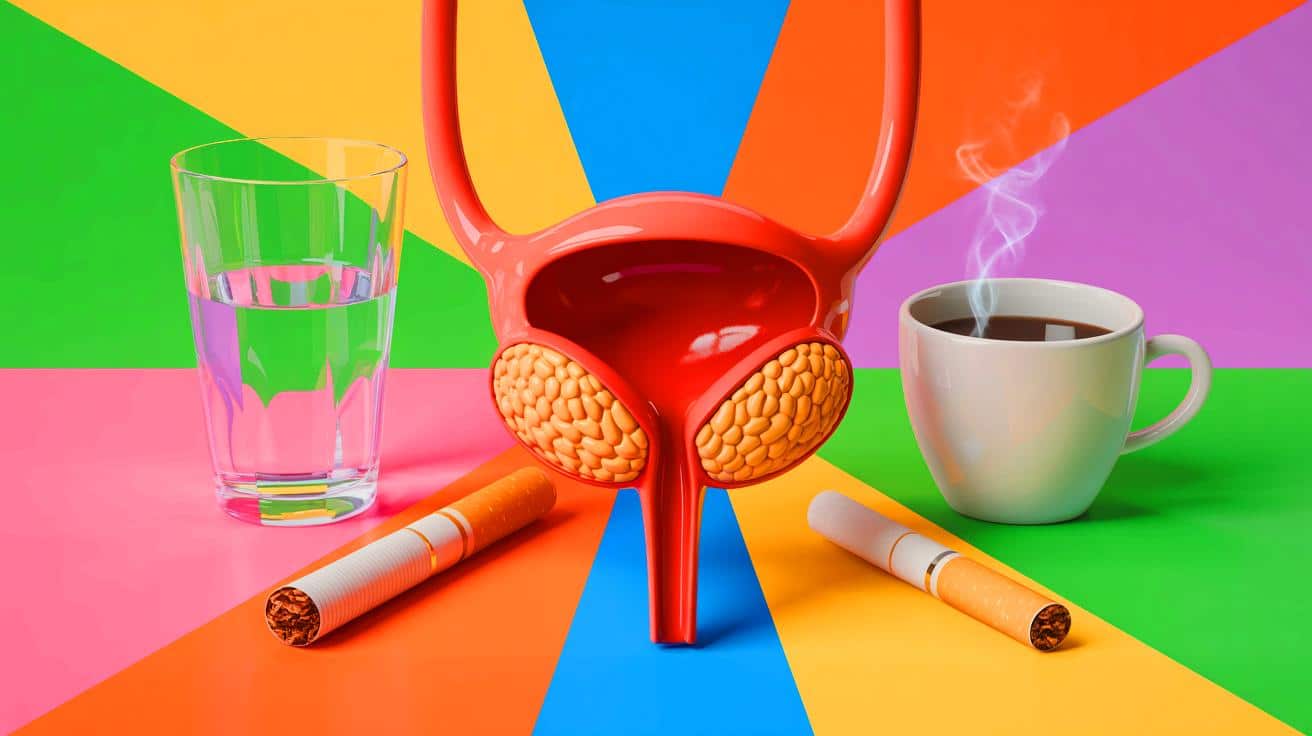
The bladder is a crucial organ that often goes unnoticed until problems arise. Its main role is to store and release urine, a process vital for eliminating waste and maintaining the body’s fluid balance. However, like any other part of the body, the bladder requires proper care and attention. Neglecting it can lead to discomfort, infections, and severe conditions such as incontinence or cancer. Fortunately, many bladder-related issues are linked to common habits, and by addressing these, one can prevent potential health problems.
Holding in Urine Too Long
Many people delay their bathroom visits, allowing urine to accumulate and stretch the bladder muscles. Over time, this habit can weaken the bladder’s ability to contract effectively and empty completely, leading to urinary retention. Moreover, holding urine provides bacteria with an opportunity to multiply, increasing the risk of urinary tract infections (UTIs). Experts suggest emptying the bladder every three to four hours to prevent these complications. When using the bathroom, it’s crucial to relax and ensure the bladder is fully emptied. Women, in particular, should sit fully on the toilet seat to allow pelvic muscles to release.
To further ensure complete emptying, consider practicing “double voiding.” After finishing urination, wait 10-20 seconds and attempt to go again. This simple practice can significantly reduce the chances of developing infections and other urinary issues.
Not Drinking Enough Water
Dehydration is a common issue that can negatively impact bladder health. When the body lacks adequate water, urine becomes more concentrated, irritating the bladder lining and increasing the risk of infections. It’s recommended to drink six to eight glasses of water daily, with adjustments made based on activity level and weather conditions. Individuals with kidney or liver disease should consult with their doctors to determine appropriate fluid intake.
Insufficient fluid intake can also lead to constipation, which can exert pressure on the bladder and pelvic floor, complicating bladder control. To maintain optimal bladder health, it’s essential to stay hydrated and ensure regular bowel movements.
Too Much Caffeine and Alcohol
Both caffeine and alcohol can irritate the bladder and act as mild diuretics, increasing urine production. Consuming over 450 mg of caffeine daily, equivalent to about four cups of coffee, has been associated with a higher likelihood of incontinence compared to lower intakes. Similarly, men consuming six to ten alcoholic drinks weekly have shown a higher incidence of lower urinary tract symptoms.
Heavy alcohol use may also elevate the risk of bladder cancer, although the evidence is mixed. By reducing caffeine and alcohol intake, individuals can alleviate bladder symptoms and decrease long-term health risks.
Smoking
Smoking is a significant risk factor for bladder cancer, accounting for approximately half of all cases. Smokers are up to four times more likely to develop bladder cancer than non-smokers, especially if they began smoking at a young age or have a long history of smoking. This risk applies to all forms of tobacco, including cigars and pipes.
The chemicals in tobacco enter the bloodstream, are filtered by the kidneys, and eventually stored in urine. When urine remains in the bladder, these carcinogens can damage the bladder lining, increasing cancer risk. Quitting smoking can dramatically reduce this risk and improve overall health.
Poor Bathroom Hygiene
Maintaining proper bathroom hygiene is crucial to preventing infections. Practices such as wiping from back to front, using harsh soaps, or neglecting hand-washing can introduce bacteria into the urinary tract, upsetting the body’s natural microbiome. Sexual activity can also transfer bacteria from the bowel or vaginal area to the urinary tract, increasing infection risk.
Both men and women can reduce their risk of infection by ensuring they urinate soon after sexual activity. By adopting simple hygiene practices, individuals can protect their bladder health and prevent unnecessary complications.
Poor Diet and Lack of Exercise
Diet and exercise significantly impact bladder health. Excess weight can place additional pressure on the bladder, increasing the likelihood of leakage. Regular exercise helps maintain a healthy weight and prevents constipation, which can otherwise press on the bladder.
Certain foods and drinks, such as fizzy drinks, spicy meals, citrus fruits, and artificial sweeteners, can irritate the bladder, exacerbating symptoms for those already prone to issues. A diet rich in fiber, including whole grains, fruits, and vegetables, supports both digestive and bladder health. By making mindful dietary choices and staying active, individuals can promote better bladder function and overall well-being.
Bladder health is a reflection of everyday choices. Staying hydrated, avoiding irritants, practicing good hygiene, and listening to one’s body can all help prevent long-term problems. If persistent changes occur, such as frequent urination, difficulty emptying the bladder, or signs of infection, seeking advice from a healthcare professional is essential. How will you prioritize your bladder health in the coming days?
Continue reading