

Must-visit european museums and galleries
 By
Adam Kovács
By
Adam Kovács
|
IN A NUTSHELL |
|
Europe’s cultural landscape is unrivaled: a compact continent where a single city can house world-renowned institutions and startlingly eccentric collections within walking distance. For any traveler who values art, history, or curiosity, choosing which museums and galleries to prioritize is not trivial, these sites shape how we understand the past and debate the present. The well-known powerhouses, the Louvre, the Vatican Museums, the major national galleries, are essential for their masterpieces and scale, yet they coexist with atmospheric small museums, regional repositories, and outright quirky attractions that reward deeper exploration. Practical planning matters: book early time slots, consider skip-the-line options for blockbuster shows, and factor in weekday mornings to avoid crowds. Equally important is critical selection, recognize that some collections prompt ethical questions about provenance and repatriation, and that a meaningful visit can be both aesthetic and interrogative. Whether your aim is the canonical or the unexpected, a curated approach will turn a long list of possibilities into a coherent, enriching itinerary that reflects what you care about most.
Essential grand museums to prioritize
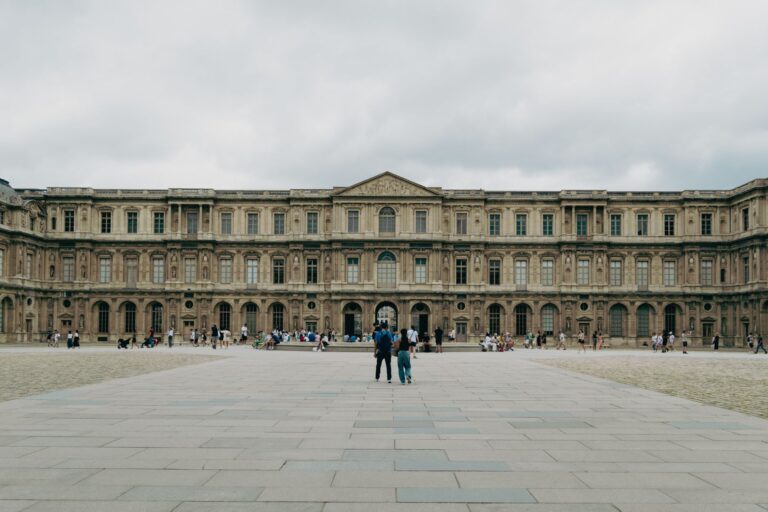
When planning a museum-focused itinerary you must be selective: there simply isn’t time to see every great collection. The argument here is straightforward, choose institutions that deliver the broadest cultural payoff and anchor your city days around them. Start with the obvious heavyweights: the Louvre for its encyclopedic range of ancient to Renaissance treasures, the British Museum for global antiquities, the Vatican Museums for Renaissance masterpieces and the Sistine Chapel, and the Rijksmuseum or Prado for national art that defines a country’s visual identity. These places are not merely attractions; they are context machines that explain whole epochs of history, religion, and aesthetic development. If you have to sacrifice other stops, do not sacrifice a visit to at least one of these.
Visiting strategy matters as much as the destination. Buy advance tickets, aim for the first time slot, and use any available city passes to stack savings and skip queues. The Paris Museum Pass, the Berlin Welcome Card and similar options can transform long waits into efficient mornings. Also, consider time-of-day and day-of-week: weekday mornings are less crowded than weekend afternoons. Allow uninterrupted hours for at least one museum per trip, rushing through multiple major collections in a single day yields little learning.
Below is a compact reference table to help prioritize at a glance. Use it to plan which single museum will give you the most value if you have limited time; then build side visits (smaller galleries, nearby monuments) around that anchor.
| Museum | City | Signature highlight | Practical tip |
|---|---|---|---|
| Louvre | Paris | Mona Lisa, Winged Victory | Book earliest slot; use Paris Museum Pass |
| British Museum | London | Rosetta Stone, Parthenon Sculptures | Visit on Friday evenings to avoid queues |
| Vatican Museums | Vatican City | Sistine Chapel, Gallery of Maps | Consider skip-the-line or guided tour |
| Rijksmuseum | Amsterdam | Night Watch, Vermeer | Arrive early; combine with Van Gogh Museum |
Hidden and quirky museums worth a detour
There is a persuasive case for deliberately scheduling at least one offbeat museum into every European trip. These institutions reward curiosity and often cost far less time and money than major museums while delivering memorable, idiosyncratic experiences. For an encounter with folklore and the macabre, the Museum of Icelandic Sorcery and Witchcraft in Hólmavik offers Viking-era ritual objects and uncanny displays you won’t find elsewhere. In Rome, the tiny Museum of the Souls of Purgatory presents religious relics that provoke questions about faith and interpretation. Meanwhile, the Barbie Museum in Copenhagen or Tallinn’s Kalev Marzipan Museum turn confectionery and pop culture into unexpectedly rich cultural statements about taste and nostalgia.
Quirkiness does not mean lack of seriousness. The Salo Museum in Lviv treats local culinary tradition as cultural patrimony, while Zagreb’s Museum of Broken Relationships uses donated objects to interrogate intimacy, loss, and storytelling. Each of these places challenges the visitor to think differently about what a museum can be and to value personal narrative and local specificity. Choosing one of these detours boosts the variety of your trip more than a second visit to a crowded national gallery.
Practical advice: these museums often have irregular opening hours or appointment-only policies. The Barbie Museum, for instance, is open by appointment; the Icelandic sorcery museum is remote and frequently reachable only by car. Use curated lists such as the one at Culture Tourist or personal guides like Wanderlust Chloe and The Adventurous Feet for updated hours and insider tips. Allocate a half-day for a quirky museum and treat it as a deliberate contrast to the big-name venues.
Historical memory sites: approach with respect and intention
Visiting museums that document suffering and conflict requires a different mindset: you are not there for spectacle but for witness. Institutions such as Auschwitz-Birkenau, the Anne Frank House, the Warsaw Uprising Museum, and the House of Terror in Budapest demand ethical attention. These sites teach hard lessons about human behavior, state power, and the consequences of indifference. You should prepare mentally, read a bit in advance, and plan logistics so the visit is focused and reflective rather than rushed.
Argumentatively, skipping such museums because they are uncomfortable is a mistake. These collections perform essential civic work: they contextualize current politics, tie abstract history to personal stories, and keep alive the memory of victims. The Warsaw Uprising Museum’s interactivity and the Anne Frank House’s intimate spatial narrative create emotional proximity to past lives. The physical settings, preserved cells, original annexes, preserved barracks, are not tourist backdrops; they are educational environments. Visiting them responsibly strengthens historical understanding and civic empathy.
Practicalities matter: book ahead for Anne Frank and reserve guided slots for Auschwitz from Kraków or by train to Oświęcim. Many of these museums offer free admission days or reduced rates, but availability can be limited. Read visitor guidelines and dress appropriately; museums like the Vatican or memorial sites require modest attire and solemn conduct. For balanced pre-trip reading, consult reliable compilations of Europe’s cultural hotspots such as the Top Cultural Europe overview and curated lists like Daily Dive.
How to plan efficiently: tickets, timing and saving money
Good planning multiplies the value of every museum visit. The central claim here is that a smart schedule reduces stress and increases learning: buy timed-entry tickets, target quieter hours, and use passes where they make sense. Many museums, the Louvre, the Prado, and the Pergamon among them, offer online time slots that cap daily attendance; securing those in advance is not optional if you want to avoid multi-hour queues. Plan your core museum around transportation and meal breaks so you leave cognitive room for the exhibits.
Financially, not all city passes are equal. Compare inclusions and compute break-even points: the Paris Museum Pass and the Berlin Welcome Card can save money if you intend to visit multiple paid sites in a short span. Check local discount programs such as Vienna’s City Card or combination tickets that pair nearby museums. For budget-oriented travelers, resources like Budget Europe Trip and Europe Backpacker explain how to stack free days and late openings to maximize access.
Timing tips: early mornings and late afternoons are typically quieter. Reserve at least two to three hours for major museums; allocate 45 to 90 minutes for smaller, thematic museums. If you have mobility concerns or tight schedules, prioritize ground-floor highlights and request accessibility services in advance. Finally, keep a short note of must-see objects before you enter, a focused list prevents you from getting overwhelmed and missing the exhibits that matter most. For inspiration and lists to help prioritize, see consolidated guides like Culture Tourist and Wanderlust Chloe.
Thematic clusters to build an itinerary around
Choosing museums by theme creates coherence and depth; this is a superior approach to hopping between random highlights. Argue for grouping: an itinerary focused on Renaissance and Baroque art should prioritize the Uffizi, the Vatican Museums, and the Prado, while an itinerary centered on modern and contemporary art would place the Tate Modern, Musée d’Orsay and Guggenheim Bilbao at its core. Grouping by theme recuperates the contextual learning that single-object visits often lack.
Expand the idea: create a food and craft axis that includes the Kalev Marzipan Museum, the Irish Whiskey Museum, and local open-air craft museums like Latvia’s Ethnographic Open-Air Museum. For maritime and Viking interests, pair Stockholm’s Viking Museum with Norway’s Viking Ship collections (noting closures and rebuilds) and maritime museums in coastal cities. Medical history enthusiasts should build a micro-route of Surgeons’ Hall in Edinburgh plus the history of science sections at national museums. Such clusters let you compare techniques, materials, and narratives across borders.
Use practical cluster-building tools: map distances, verify opening windows, and book combination tickets when available. Where travel context is needed, consult updated travel pieces such as Travel Europe 2026 and lists of iconic landmarks at Europe Iconic Landmarks to align museum days with local sightseeing. When you travel with a theme, each gallery visit reinforces the last and the overall trip becomes a cohesive education rather than a series of disconnected snapshots.
Final Thoughts on Must-Visit European Museums and Galleries
Visiting European museums is not a passive pastime but a deliberate act of cultural literacy. The continent’s institutions, from world-famous palaces of art to offbeat specialty collections, offer more than pretty objects: they provide the primary evidence for how societies remembered, contested, and reinvented themselves. It is therefore essential to treat museum visits as intentional choices rather than box-ticking. Prioritize according to what you want to learn, be it Renaissance masterpieces, modern experiments, or the quirky local oddities that reveal social history, and you will gain far deeper insight than by simply following a crowd to the most photographed gallery.
Arguing for selectivity also means acknowledging practical realities. Popular institutions demand time, strategy, and sometimes a small investment: book the earliest slots for major collections, use city or museum passes when they meaningfully reduce costs, and schedule smaller sites, those hidden gems and eccentric museums, during less busy hours. This approach enables you to access both headline works and offbeat exhibitions without feeling rushed, and it respects the curatorial narratives that each place is arguing for.
Moreover, the best museum itineraries mix perspectives. Pair the canonical with the unconventional: a day that includes a canonical gallery and a local specialty museum yields a richer, more nuanced understanding than two days in a single institution. Don’t shy away from difficult history museums; they are crucial to understanding contemporary Europe. Similarly, interactive or thematic venues can make complex subjects immediate and memorable, especially when time is limited.
Ultimately, the argument is simple: museums should be chosen with purpose. By prioritizing based on interest, planning to avoid crowds, and balancing famous collections with surprising discoveries, your museum visits will become not just sightseeing stops but essential encounters with Europe’s diverse cultural record. Make each visit count, and you will leave with knowledge that lasts longer than any photograph.
FAQ, Must-visit European Museums and Galleries
Q: Which museums should be the highest priority on a short trip to Europe?
A: If time is limited, prioritize institutions that pair world-class collections with iconic experiences: The Louvre or Musée d’Orsay in Paris for classic and Impressionist art, The Vatican Museums for Renaissance masterpieces, Rijksmuseum and Van Gogh Museum in Amsterdam for Dutch Golden Age and Van Gogh, and Uffizi Gallery in Florence for Renaissance painting. These deliver the clearest cultural return on limited time and are defensible choices when you must choose.
Q: How should I choose between big-name museums and quirky, offbeat ones?
A: Choose by what you want to gain: for canonical art and history, opt for institutions like The British Museum, El Prado, or Pergamon Museum. If you want memorable, unusual experiences that reveal local flavor, seek out places like the Museum of Icelandic Sorcery, the Barbie Museum in Copenhagen, or the Museum of Broken Relationships. A balanced itinerary mixes one heavyweight museum per city with one distinctive, smaller venue.
Q: What are the best strategies to avoid crowds and long queues?
A: Book timed-entry tickets online and aim for the earliest slot of the day or late-afternoon openings. Weekdays and shoulder seasons are calmer. For ultra-popular sights, The Louvre, Uffizi, Anne Frank House, reserve weeks or months ahead. If you hate queues, choose guided early-access tours or museum passes that include timed entries.
Q: Are city or museum passes worth it?
A: Yes, but only if you plan to visit multiple institutions. Passes like city museum cards often pay for themselves after two or three admissions and can include priority entry or public transport. Do the math before purchase: compare the pass price to the sum of individual ticket costs for the places you actually want to see.
Q: Which museums are best for families or children?
A: Choose interactive, immersive venues: Tate Modern and British Museum have family programs; Miniatur Wunderland in Hamburg delights kids with model worlds; and the Viking Museum in Stockholm offers ride-like storytelling. Smaller quirky museums such as the Heineken Experience (for older teens) and open-air ethnographic sites can also engage families by offering hands-on displays.
Q: How much should I budget for museum visits?
A: Costs vary: many major national museums in the UK and Scandinavia are free, while large European galleries typically charge moderate fees (€10, €20). Special exhibitions raise prices. Always check concession rates for students, seniors, and local residents and seek free-entry time slots if budget is a concern.
Q: What practical tips help when planning a museum-heavy day?
A: Limit yourself to two major sites per day to avoid fatigue. Wear comfortable shoes, bring a small water bottle, and download museum apps or audio guides in advance. Factor in cloakroom time for bags at museums like the Uffizi. Finally, cluster visits geographically, many cities have museum quarters where you can walk between venues.
Q: Are there dress or conduct rules I should know?
A: Yes, religious sites within museum complexes, notably the Vatican Museums, require conservative dress (no bare shoulders or short shorts). Respect photography rules: some galleries prohibit flash or all photography, and others ban tripods. Follow signage and staff requests to preserve collections and other visitors’ experience.
Q: How do I navigate accessibility and transport to remote museums?
A: Many major museums are well connected by metro, tram, or bus; check nearest stops and allow walk time. Remote or rural museums, like the Museum of Icelandic Sorcery or certain open-air museums, often require a car or shuttle. Confirm seasonal road conditions and wheelchair access in advance.
Q: Which museums offer the best single-building architecture or design worth seeing regardless of the collection?
A: Visit museums whose architecture is an attraction: Guggenheim Bilbao (Frank Gehry’s building), Tate Modern (converted power station), and Musée d’Orsay (a former Beaux-Arts railway station). These sites justify a trip even if you only have time for a quick look at their galleries and terraces.
Q: How should I approach sensitive or difficult-history museums?
A: Treat them with preparation and respect. Museums like Auschwitz-Birkenau, the Warsaw Uprising Museum, or memorial galleries demand emotional engagement and time. Read context beforehand, follow site rules, and allow space for reflection, these visits are educational responsibilities as much as tourist stops.
Q: Are there concerns about artifact provenance I should consider?
A: Absolutely. Several major institutions, notably The British Museum and parts of the collection at the Pergamon, house contested items acquired during colonial periods or conflicts. If provenance matters to you, research current restitution debates and prefer museums that are transparent about origins and restitution efforts.
Q: Can I combine museum visits with other local experiences?
A: You should. Many museums sit in cultural clusters, Amsterdam’s Museumplein, Stockholm’s Djurgården, or Berlin’s Museum Island, so pair galleries with nearby parks, historic sites, or food neighborhoods to make the most of your day and avoid museum fatigue.
Q: How do I find “hidden gem” museums that feel local and unique?
A: Look beyond capitals and guidebook headlines. Seek local recommendations, smaller city museums, and thematic venues such as the Belgian Comic Strip Center, Kalev Marzipan Museum, or the Ethnographic Open-Air Museum of Latvia. These places often offer richer context and fewer crowds, delivering more rewarding encounters if you value authenticity over checklist tourism.
Continue reading