


“This Could Change the Internet Forever”: This Underwater Data Center Off Shanghai Promises Huge Energy Savings (but Could Threaten the Ocean Itself)
 By
Adam Kovács
By
Adam Kovács
| IN A NUTSHELL |
|
Data centers are the backbone of the internet, housing the servers that store and process the information for websites and applications. However, these facilities are notorious for their high energy consumption, primarily due to the intense cooling required to prevent overheating. In a groundbreaking move, a Chinese company is attempting to address these energy concerns by submerging data centers off the coast of Shanghai. This initiative aims to leverage the natural cooling properties of ocean currents, potentially reducing energy consumption significantly. While the concept is promising, it raises questions about ecological impacts and long-term commercial viability.
Innovative Cooling Solution
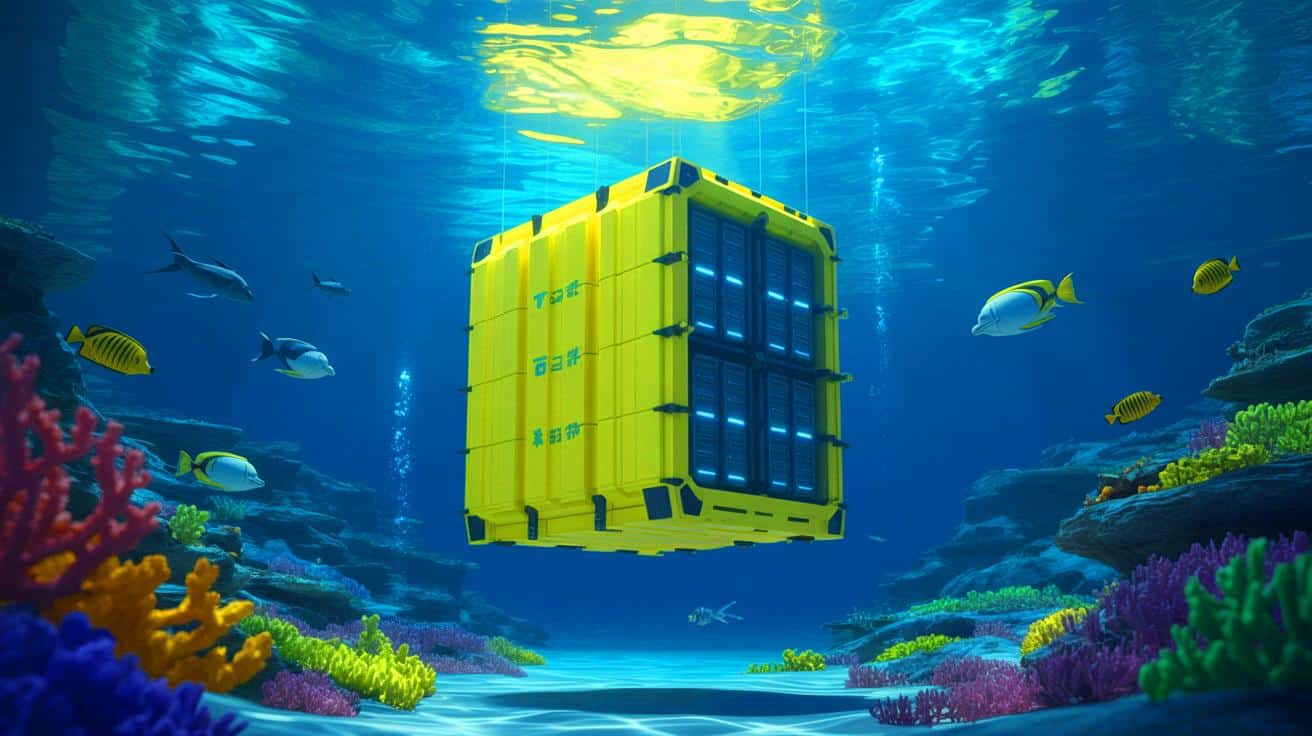
The underwater data center project in Shanghai represents a significant departure from traditional data center cooling methods. By submerging servers in the ocean, the project harnesses the natural cooling power of ocean currents. This approach eliminates the need for energy-intensive air conditioning or water evaporation systems commonly used in land-based data centers.
Yang Ye of Highlander, the maritime equipment firm behind this project, emphasizes the inherent advantages of underwater operations. The potential energy savings are substantial, with estimates suggesting a 90 percent reduction in cooling energy consumption. This aligns with broader efforts to lower the carbon footprint of data centers, which are increasingly in demand due to the rise of artificial intelligence and other data-intensive technologies.
While Microsoft previously experimented with similar technology off Scotland’s coast in 2018, this Chinese project is among the first commercial endeavors of its kind. The initiative is part of China’s broader strategy to innovate in tech infrastructure and reduce the environmental impact of its rapidly growing digital economy.
Technical Challenges and Innovations
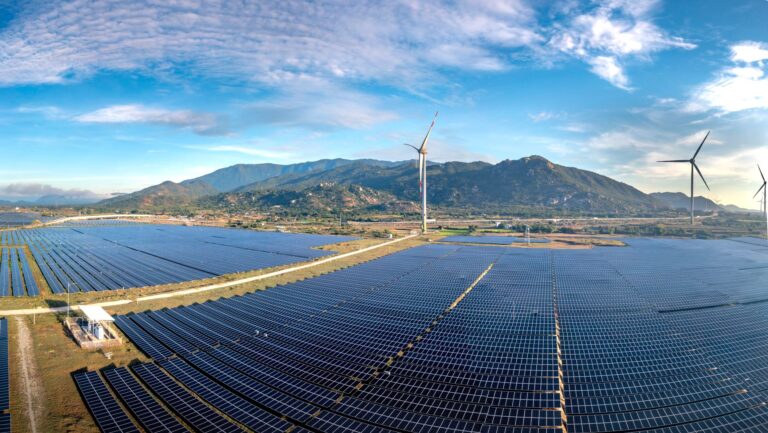
The construction and deployment of underwater data centers come with unique technical challenges. According to Zhou Jun, an engineer for the Shanghai project, the process involved greater difficulties than initially anticipated. The data center is built onshore in separate components before being submerged. It relies heavily on renewable energy, with more than 95 percent of its power sourced from nearby offshore wind farms.
One significant challenge is protecting the servers from saltwater corrosion. Highlander addresses this by using a protective coating of glass flakes on the steel capsule housing the servers. Additionally, maintenance access is facilitated by an elevator connecting the underwater pod to a segment that remains above the water.
Another technical consideration is the complexity of establishing reliable internet connections between the offshore data center and the mainland. Laying the necessary cables and ensuring signal integrity pose unique challenges compared to traditional land-based data centers. Furthermore, researchers have identified potential vulnerabilities to attacks using sound waves conducted through water, a concern that requires further investigation and mitigation.
Ecological Implications
While the energy savings of underwater data centers are promising, their ecological impact remains uncertain. The heat emitted by these facilities could affect marine ecosystems. Marine ecologist Andrew Want from the University of Hull highlights the potential for thermal pollution, which may attract certain species while deterring others.
Highlander has attempted to address these concerns by referencing a 2020 independent assessment of a test project near Zhuhai, China, which indicated that surrounding water temperatures remained within acceptable thresholds. Nevertheless, experts like Shaolei Ren from UC Riverside caution that scaling up these centers could exacerbate thermal pollution issues.
Ren suggests that underwater facilities could complement traditional data centers rather than replace them. They might serve niche markets where the benefits of reduced energy consumption outweigh ecological concerns. However, comprehensive research is needed to fully understand the environmental implications of large-scale underwater data centers and to develop strategies for mitigating potential negative impacts.
Economic and Policy Considerations
The economic viability of underwater data centers is closely tied to government support and subsidies. In China, government funding has been instrumental in advancing these projects. Highlander received a substantial subsidy for a similar project in Hainan province, reflecting the strategic importance of reducing the carbon footprint of data centers.
However, the long-term commercial success of these ventures depends on overcoming technical and ecological challenges. Scaling the technology to meet growing demand while ensuring environmental sustainability is a delicate balance. Furthermore, the global competition in tech infrastructure means that other countries may also explore similar innovations, potentially influencing international standards and regulations.
As the world increasingly relies on data-intensive technologies, the pressure to develop sustainable solutions for data centers will only intensify. Underwater data centers represent a promising yet complex path forward, requiring collaboration between industry, government, and academia to address the multifaceted challenges they present.
The concept of underwater data centers offers a glimpse into a future where tech infrastructure is both innovative and environmentally conscious. However, it also raises critical questions about the balance between technological advancement and ecological stewardship. As these projects evolve, how can we ensure that the benefits of reduced energy consumption are not outweighed by potential harms to marine ecosystems?
Continue reading