


“They Finally Fought Back”: This U.S.-GM Lithium Deal Challenges China’s Grip on Batteries (and Could Change Every Electric Car You Buy)
 By
Adam Kovács
By
Adam Kovács
| IN A NUTSHELL |
|
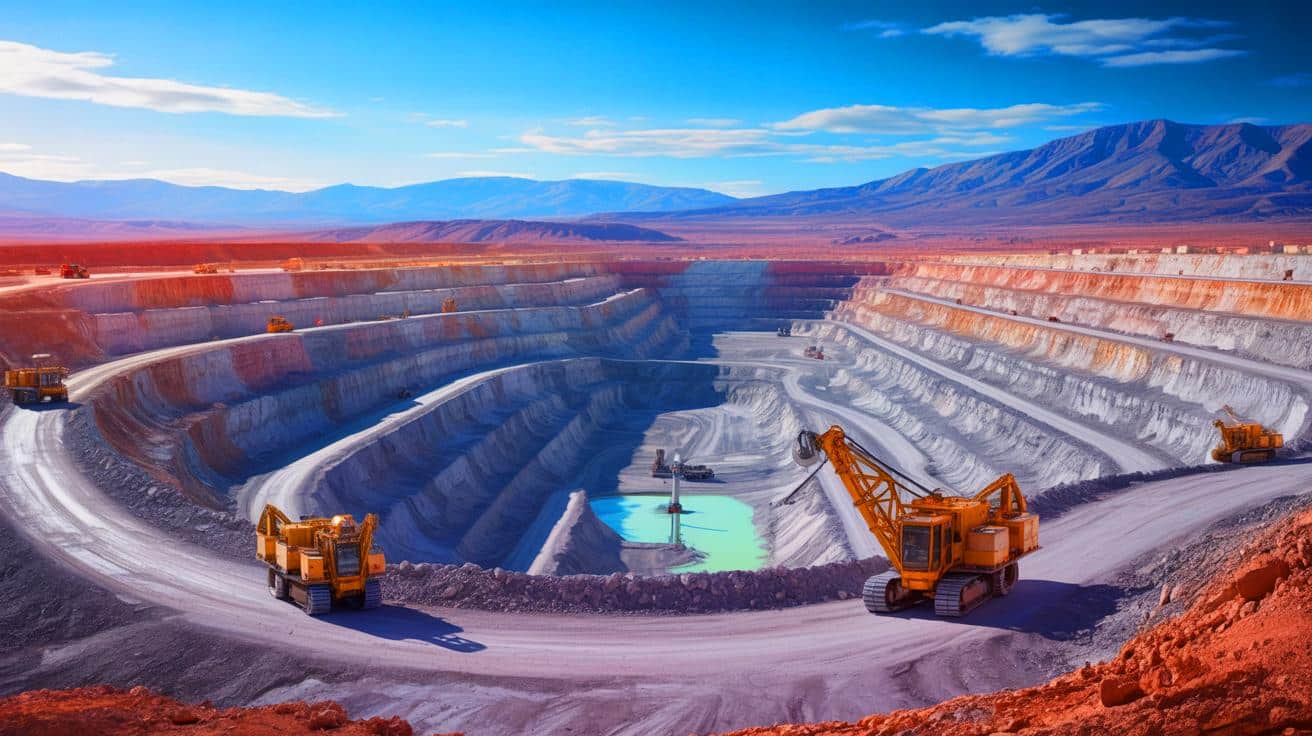
In a significant move toward securing the future of electric vehicles and reducing reliance on foreign lithium processing, a strategic partnership has been formed between Lithium Americas and General Motors. The project, named Thacker Pass, is set to become the largest lithium source in the Western Hemisphere. With a planned production of 40,000 metric tons of battery-grade lithium carbonate per year by 2028, this venture is poised to dramatically alter the U.S. lithium supply chain. The U.S. Department of Energy’s investment in the project underscores the national importance of this endeavor, which aims to strengthen domestic capabilities and decrease dependency on Chinese lithium processing.
Government Claims a Lithium Future in America
The U.S. Department of Energy has taken a 5% stake in Lithium Americas, a move that reflects the government’s commitment to advancing domestic lithium production. This investment is part of a broader strategy to bolster sectors deemed critical to national interests. The Thacker Pass project, developed in partnership with General Motors, is set to become the largest source of lithium in the Western Hemisphere. This initiative is aligned with previous government investments in sectors like semiconductors and rare earth materials.
Following the announcement, shares of Lithium Americas surged, highlighting the market’s positive response to the government’s involvement. The company, based in Vancouver, has secured an agreement with the Department of Energy to draw an initial $435 million from a $2.26 billion government loan. This funding will facilitate the development of the Thacker Pass mine, which is expected to be operational by 2028.
The American Mining Investment Is Motivated by the Dominance of China
The Thacker Pass project has garnered bipartisan support as a means to increase U.S. production of critical minerals and reduce dependence on China, the world’s dominant lithium processor. China currently processes 75% of the world’s lithium into battery-grade material, making it a formidable player in the global market. In contrast, the U.S. produces less than 5,000 metric tons of lithium annually, highlighting the need for increased domestic capacity.
The initial phase of the Thacker Pass project aims to produce 40,000 metric tons of battery-grade lithium carbonate annually. This represents a significant increase in U.S. production capacity, positioning the country as a more competitive player in the global lithium market. By reducing reliance on Chinese processing, the U.S. aims to secure a more stable and reliable supply chain for its burgeoning electric vehicle industry.
Trump Warns: The US Could ‘Cripple China’ With 200% Tariff on Crucial Magnets
Energy Secretary Puts the Focus on Economic Viability Protection
Energy Secretary Chris Wright emphasized the importance of government intervention to ensure the economic viability of the Thacker Pass project. As China continues to drive lithium prices down, the Department of Energy’s involvement aims to protect taxpayer investments and safeguard the project’s long-term success. The $2.23 billion loan package is designed to support the project’s development and mitigate financial risks.
The Thacker Pass project is a groundbreaking venture that could reshape global battery supply chains. By increasing domestic lithium production, the U.S. positions itself as a major player in the global market, challenging China’s dominance. The partnership with General Motors not only secures essential battery materials for the domestic automotive industry but also insulates it from potential foreign supply shocks.
Strategic Alliance Guarantees a Lithium Supply Chain in the Home Country
General Motors’ investment in the Thacker Pass project underscores the strategic importance of securing a domestic lithium supply chain. With a 38% stake in the mine, GM has the right to purchase 100% of the lithium produced during the project’s first phase. This agreement ensures that GM has access to essential materials for its electric vehicle production, reducing reliance on foreign suppliers.
The partnership also allows Lithium Americas to sell any unallocated lithium production to other parties, further strengthening the U.S. position in the global market. By securing a reliable domestic supply of lithium, the U.S. can better support its transition to renewable energy and electric vehicles, fostering economic growth and environmental sustainability.
The Thacker Pass project represents a pivotal moment in the evolution of the U.S. lithium industry. As the country works to reduce its reliance on foreign processing and secure a stable supply chain, questions remain about how this initiative will impact global market dynamics. Will the U.S. succeed in challenging China’s dominance in lithium processing, and what implications will this have for the future of electric vehicles and renewable energy? The answers to these questions will shape the future of energy and technology in the coming decade.