


“Scientists Build Battery From Nuclear Waste”: Japanese Researchers Create Rechargeable Power Cell Using Depleted Uranium That Could Store Renewable Energy While Managing 1.6 Million Tons Of Radioactive Material
 By
Adam Kovács
By
Adam Kovács
| IN A NUTSHELL |
|
In recent years, the demand for energy storage solutions has surged alongside the rise of renewable energy sources. As the world seeks to transition away from fossil fuels, the ability to store excess energy efficiently becomes increasingly critical. A groundbreaking development from Japan may offer a transformative solution. Researchers from the Japan Atomic Energy Agency have unveiled a rechargeable battery that uses depleted uranium as its active material. This innovation not only addresses the growing need for effective energy storage but also offers a potential method to manage nuclear waste. With nearly 1.6 million tons of depleted uranium stockpiled globally, this new battery technology could represent a significant step forward in sustainable energy management.
Depleted Uranium as an Active Material
Traditional batteries often rely on lithium or lead to facilitate electron flow, creating the electricity necessary for various applications. However, the researchers in Japan have taken a different approach by using uranium as the active material in their innovative battery design. Uranium, a metal known for its unique chemical properties, has long been considered a potential active material in chemical batteries. The specific type used in the Japanese battery prototype is depleted uranium, a byproduct of the uranium enrichment process for nuclear fuel. Typically regarded as nuclear waste with limited applications, depleted uranium could become a valuable resource through this technology. By harnessing the untapped potential of this material, the scientists aim to redefine its role in energy storage.
The choice of uranium is not arbitrary. Its chemical stability and high energy density make it an ideal candidate for battery applications. The research team highlights that the metal’s inherent properties contribute to the battery’s efficiency and longevity. This approach transforms depleted uranium from a waste product into a pivotal component of next-generation energy storage technologies.
Impressive Performance Metrics
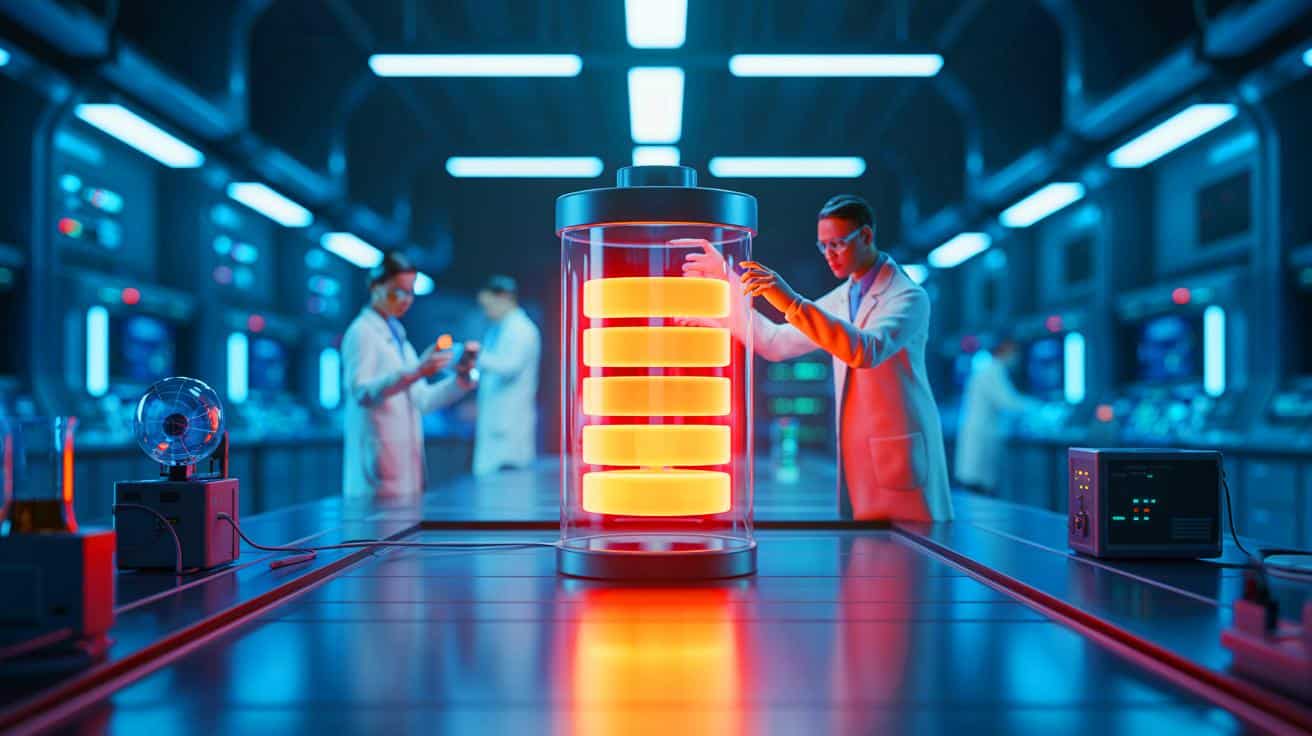
The prototype developed by the Japan Atomic Energy Agency showcases impressive performance metrics. Utilizing an electrolyte containing iron for the positive electrode and uranium for the negative electrode, the battery measures approximately 4 inches wide and 2 inches high. Despite its compact size, the prototype demonstrated remarkable stability over multiple charge and discharge cycles. According to the research team, the battery maintained its performance after ten cycles, indicating a promising level of reliability and longevity.
Such stability is crucial for the practical application of batteries in renewable energy systems. The ability to store and release energy consistently over time ensures that the battery can effectively balance supply and demand. If further developed and commercialized successfully, this technology could not only meet the energy storage needs of renewable energy sources but also provide a viable solution for utilizing Japan’s substantial depleted uranium reserves.
“This battery offers a promising solution for storing excess electricity produced from renewable sources,” states the research team.
Future Enhancements and Applications
While the initial results are promising, the researchers are not resting on their laurels. Future efforts focus on enhancing the battery’s capacity and performance by developing flow cells. This involves creating larger capacity electrodes and a system for circulating electrolytes to improve energy transfer. The goal is to produce a redox flow battery, which uses pumps to circulate electrolytes and optimize storage capabilities.
However, the widespread use of this technology comes with challenges. The inherent radioactivity of uranium limits its application to controlled environments, such as nuclear power plants. Despite these constraints, the researchers remain optimistic about the potential impact of their work. As the demand for rechargeable batteries grows and nuclear waste accumulates, this new approach could play a vital role in both energy and waste management strategies.
Balancing Innovation with Safety
The intersection of innovation and safety is a critical consideration in the development of uranium-based batteries. While the potential benefits are substantial, ensuring the safe handling and operation of these batteries is paramount. The researchers emphasize that any commercial application would require strict adherence to safety protocols and regulations. Controlled environments, such as nuclear facilities, provide a viable setting for early implementation and testing.
As global energy needs continue to evolve, the exploration of unconventional resources like depleted uranium offers a glimpse into the future of sustainable technology. The successful integration of such technology hinges on balancing innovation with safety, ensuring that the benefits are realized without compromising environmental and public health.
The development of a rechargeable battery using depleted uranium represents a bold step forward in renewable energy storage and nuclear waste management. As researchers strive to enhance this technology, they face the challenge of balancing innovation with safety. How will the global community respond to the potential of this groundbreaking solution, and what role will it play in the future of energy sustainability?