



“Air Force Unleashes Second Stealth Bomber”: B-21 Raider Fleet Doubles at Edwards Base While $300 Billion Nuclear Modernization Program Accelerates
 By
Adam Kovács
By
Adam Kovács
| IN A NUTSHELL |
|
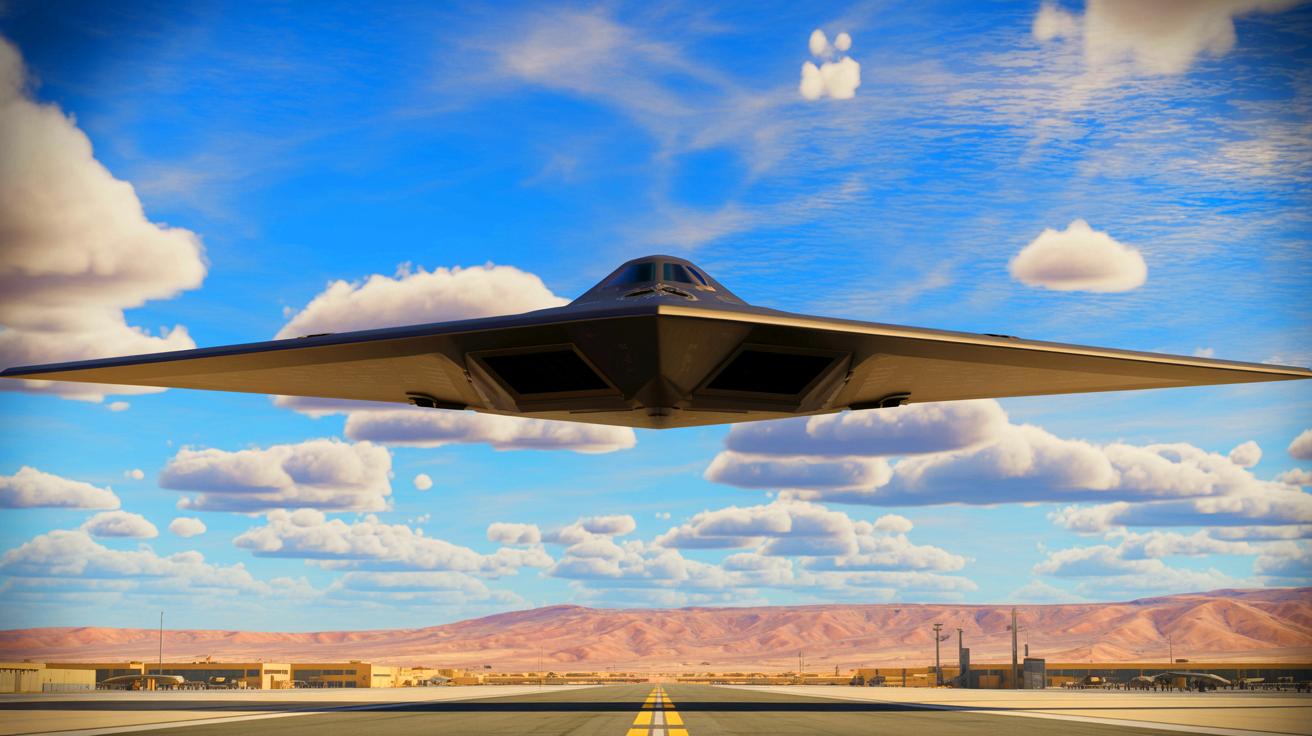
The U.S. Air Force has taken a significant step forward in its modernization efforts with the second B-21 Raider’s arrival at Edwards Air Force Base in California. This move marks a new phase in the testing and development of the next-generation stealth bomber. The B-21 Raider, designed to replace aging bombers, is a crucial component of the Air Force’s strategic vision. By expanding capabilities at Edwards, the Air Force is poised to conduct more advanced testing on weapons integration and mission systems, accelerating the path to operational readiness.
Advancing Testing Capabilities
The arrival of the second B-21 Raider at Edwards Air Force Base signifies a pivotal moment for the U.S. Air Force. With two aircraft now available, the Air Force can delve into more intricate phases of testing. This includes rigorous assessments of weapons integration and the bomber’s critical mission systems. Such advancements are crucial to ensuring the B-21’s effectiveness in future combat scenarios. Initial tests focused on flight performance have paved the way for these more advanced evaluations.
Air Force Secretary Troy Meink emphasized the significance of this development. He stated, “With the arrival of the second B-21 Raider, our flight test campaign gains substantial momentum.” This momentum is essential for meeting the strategic goals set for the B-21 program. The dual presence of B-21s at Edwards not only enhances testing capabilities but also provides invaluable hands-on experience for maintenance crews. This experience is critical for the bomber’s long-term operational success.
The Strategic Role of the B-21 Raider
The B-21 Raider is more than just a new piece of military hardware; it represents a cornerstone in the U.S. Air Force’s strategic nuclear modernization efforts. Designed to replace the aging B-1B Lancer and B-2A Spirit bombers, the B-21 is anticipated to form the backbone of the Air Force’s future bomber fleet, alongside revamped B-52J Stratofortresses. The goal is to operate a two-bomber force with at least 100 B-21s and 76 B-52Js.
This strategy reflects the Air Force’s commitment to maintaining a robust and flexible deterrent capability. As Air Force Chief of Staff Gen. David Allvin remarked, the addition of a second B-21 “accelerates the path to fielding.” By increasing the number of aircraft in the test program, the Air Force can expedite the development and deployment of this critical capability to its warfighters.
Infrastructure and Training Enhancements
The introduction of the second B-21 at Edwards also heralds significant improvements in maintenance training and infrastructure. With more aircraft available, maintainers gain essential experience managing simultaneous repairs and operations. This practical knowledge is crucial for optimizing maintenance tools and processes, ensuring the B-21’s readiness for regular operations.
Looking ahead, the Air Force plans to initiate major construction projects at the B-21’s designated operating bases in fiscal 2026. These bases include Ellsworth Air Force Base in South Dakota, Whiteman Air Force Base in Missouri, and Dyess Air Force Base in Texas. These infrastructure investments are vital for supporting the B-21’s deployment and sustainment, highlighting the Air Force’s long-term commitment to this next-generation bomber.
Commitment to Modernization
The B-21 Raider program underscores the Air Force’s dedication to modernization in the face of evolving global threats. The concurrent efforts in testing, sustainment preparation, and infrastructure development illustrate a comprehensive approach to ensuring the B-21’s effectiveness. As Gen. Allvin noted, “The B-21 Raider program represents a cornerstone of our strategic nuclear modernization.” This commitment is crucial for providing unmatched capabilities to deter and defeat potential adversaries.
As the Air Force continues to advance the B-21 program, the focus remains on delivering a capable and reliable bomber that meets the demands of modern warfare. The ongoing development and testing efforts are integral to achieving this goal, paving the way for the B-21’s eventual integration into the Air Force’s operational fleet.
The U.S. Air Force’s progress with the B-21 Raider is a testament to its commitment to innovation and preparedness. As testing and development continue, the B-21 is poised to play a pivotal role in the Air Force’s strategic capabilities. With infrastructure enhancements and a dedicated focus on modernization, the Air Force is well-positioned to meet the challenges of the future. Yet, as the B-21 program evolves, how will the Air Force balance modernization with budget constraints and geopolitical tensions?
Continue reading