


“The Missile That Could Change Everything”: Russia’s Nuclear Air-to-Air Weapons and China’s Expanding Arsenal Ignite Fears of a New Arms Race
 By
Adam Kovács
By
Adam Kovács
| IN A NUTSHELL |
|
The latest revelations about Russia’s advancements in nuclear missile technology have sparked global concerns. A recent report from the U.S. Defense Intelligence Agency highlights a potentially transformative development: Russia’s work on a nuclear-capable version of the R-37M air-to-air missile. This strategic shift could redefine military detente, raising pressing questions about the future balance of power. With the introduction of nuclear capabilities into air-to-air combat, the stakes in global military conflicts may be significantly heightened. This development marks a pivotal moment in the ongoing evolution of nuclear deterrence strategies.
A Nuclear Air-To-Air Missile: A New Era of Confrontation?
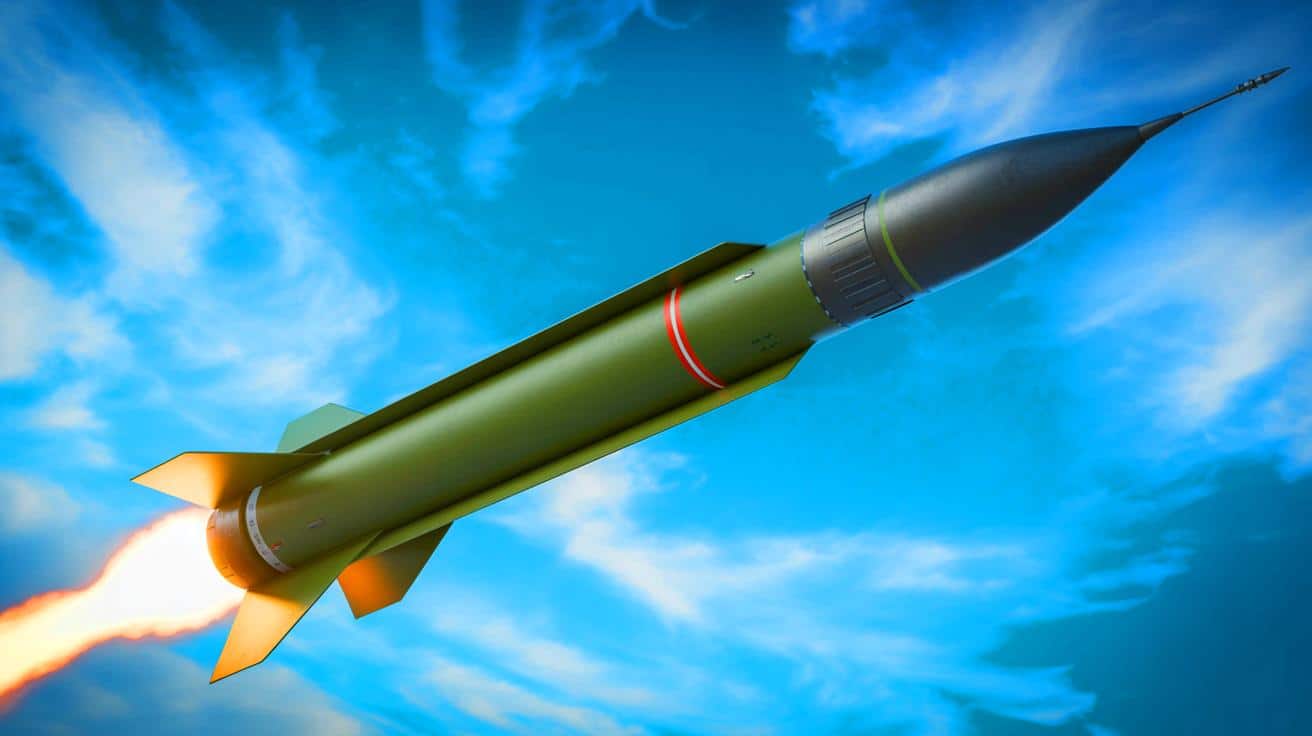
The R-37M missile, renowned for its speed, reaching up to Mach 6, is already a formidable force in aerial combat. It is designed to target high-value assets such as AWACS, surveillance, refueling, and electronic warfare aircraft. With a range of nearly 250 miles, the R-37M poses a severe threat to enemy aerial systems long before they reach Russian airspace. However, the recent report from the Defense Intelligence Agency suggests that Russia is actively working on integrating a miniaturized nuclear warhead into this missile.
Currently, the R-37M’s explosive warhead weighs approximately 132 pounds, a size sufficient for accommodating a tactical nuclear payload. This enhancement means that a single aircraft armed with four nuclear R-37Ms could potentially neutralize an entire squadron of enemy fighters or intercept a barrage of missiles and drone swarms. Such capabilities underscore the growing complexities and risks in modern warfare, where traditional and nuclear arsenals increasingly intersect.
Belarus: The New Theater for Nuclear Deterrence
This development aligns with a broader strategy of tactical nuclear rearmament. Russia currently maintains around 1,550 strategic warheads, adhering to the START treaty, alongside approximately 2,000 non-strategic nuclear weapons, often termed tactical nukes, intended for direct battlefield use. Notably, a growing portion of these weapons is now stored or deployed in Belarus, a key ally of Moscow bordering the European Union. Russia is constructing new storage facilities, training local personnel, and deploying dual-capacity aircraft, capable of conventional or nuclear missions, in Belarus.
For Washington, the militarization of Belarusian territory exacerbates the risk of easier access to tactical nuclear weapons, including in localized conflicts, such as the ongoing tensions in Ukraine. This strategic move not only solidifies Russia's influence in the region but also complicates the geopolitical landscape for NATO and its allies, increasing the urgency for diplomatic and defense planning.
Biological and Chemical Warfare: Another Worrying Front
The DIA report extends beyond nuclear weapons, highlighting concerns over Russia's chemical and biological warfare posture. While Russia has been accused of using toxic agents like chloropicrin in Ukraine, U.S. intelligence notes the absence of advanced nerve agents on the battlefield, in contrast to their use in targeted assassinations such as those involving Skripal and Navalny. Nonetheless, analysts are worried about increased storage and development capabilities for these unconventional agents, particularly in Russian military laboratories.
This latent threat, challenging to document but impossible to overlook, poses significant concerns for global security. The potential for these capabilities to be deployed in conflict zones or used in asymmetric warfare adds another layer of complexity to international security dynamics. The specter of chemical and biological warfare remains a critical issue for policymakers and defense strategists worldwide.
A New Global Nuclear Arms Race?
Russia is not alone in its nuclear ambitions. The report also notes the rapid expansion of China's nuclear arsenal, which now boasts over 600 warheads, with plans to exceed 1,000 by 2030. Beijing's strategy focuses on rapid-response deterrence, including high-precision missiles, low-yield warheads, and multiple independently targetable reentry vehicle (MIRV) capabilities. This escalation raises concerns in the United States about a strategic domino effect, where the growing nuclear arsenals of Russia and China could prompt other regional powers to enhance their capabilities, narrowing negotiation margins and increasing confrontation risks.
The evolving nuclear landscape underscores the need for renewed diplomatic efforts and strategic arms control initiatives to prevent further proliferation and maintain global stability. As major powers continue to enhance their nuclear capabilities, the international community faces the challenge of balancing deterrence with disarmament.
Despite the tensions, the DIA assesses that the actual use of nuclear weapons remains unlikely, unless the Russian regime faces an existential threat. Nuclear weapons serve primarily as a deterrent, designed to prevent adversaries from acting rather than being used lightly. However, these developments highlight that modern warfare is no longer confined to traditional battlefields. It now extends to cyberspace, misinformation, unconventional weapons, and hyper-precision long-range strikes. The militarization of nuclear air-to-air missiles signals a significant shift: in an unstable multipolar world, tactical nuclear technology is once again a strategic card. How will the international community respond to these changing rules of engagement?
Continue reading