

“This Museum Reveals a Hidden Border Story”: How the Great Lakes Once Carried Freedom, Trade, and Secrets Between the U.S. and Canada (and Still Do)
 By
Adam Kovács
By
Adam Kovács
| IN A NUTSHELL |
|
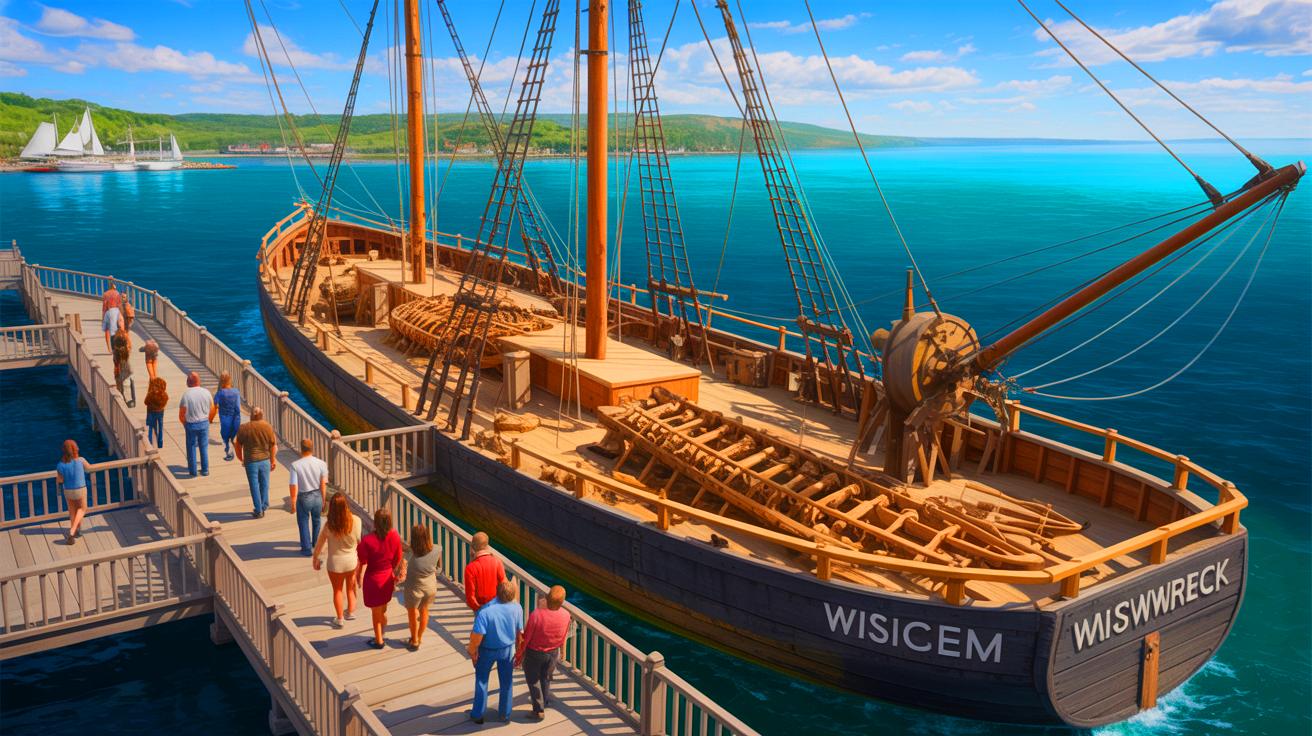
The Wisconsin Maritime Museum offers a unique lens into the intertwined history of Canada and the United States through the maritime heritage of the Great Lakes. From tales of World War II submarines to the shipwrecks of 19th-century trade routes, this museum showcases how these vast bodies of freshwater have been instrumental in shaping the economic and cultural landscapes of both nations. As these lakes continue to serve as vital arteries for trade, recreation, and transportation, they also offer lessons in diplomacy and cross-border collaboration. The stories preserved at the museum highlight the enduring connections forged through shared waterways and maritime history.
The Great Lakes as Historic Trade Routes
The Great Lakes, comprising Lakes Superior, Michigan, Huron, Erie, and Ontario, have long served as crucial conduits for trade between the United States and Canada. In the 19th century, these waterways were essential in bridging the two nations, facilitating the exchange of goods and ideas. The trade routes along Lake Michigan were particularly vital, connecting communities across both countries through the movement of furs, agricultural products, and manufactured items.
Many shipwrecks located off the coast of Wisconsin tell a story of cross-border commerce. These vessels often carried grain and lumber from the U.S. to Canadian markets. The treacherous conditions of the Great Lakes, marked by fierce storms and navigational hazards, left many of these ships at the bottom of the lakes, forever memorializing the once-thriving trade routes beneath the waves. The opening of the Welland Canal in 1829, connecting Lake Ontario with Lake Erie, was a pivotal moment that expanded international trade opportunities, further solidifying the economic bond between the two nations.
Underground Railroad and the Great Lakes
A lesser-known yet significant chapter in Great Lakes history involves the Underground Railroad. During the mid-1800s, these waterways served as a path to freedom for enslaved African Americans seeking refuge in Canada. Schooners and steamers became vessels of hope, manned by abolitionists who risked their lives to aid those seeking liberty.
The role of the Great Lakes in the Underground Railroad is a story still being uncovered. Research indicates a network of ship captains and owners who aligned with abolitionist ideologies, using their vessels to transport freedom seekers across the border. Disguised as crew members, many African Americans found refuge aboard these ships, hoping to start anew in Canada. Wisconsin, a free state since 1848, played a key role, with many of its residents supporting abolitionist causes. The Wisconsin Maritime Museum highlights this history, showcasing artifacts that might have belonged to these courageous individuals.
Cross-Cultural Connections Through Resources
Despite the differing moral landscapes between Canada and the U.S. in the 1800s, both countries shared numerous cultural similarities fostered by trade. Canadian timber was indispensable for American shipyards, while U.S. grain was essential for Canadian communities. The labor force on the Great Lakes was a melting pot of cultures, with crews often comprising Canadians, Americans, and European immigrants.
Port cities like Milwaukee, Chicago, Toronto, and Kingston became cosmopolitan centers where sailors and merchants from both sides of the border converged, fostering a rich exchange of cultures and ideas. This cross-cultural interaction went beyond commerce, contributing to a shared heritage that continues to influence both nations. The Wisconsin Maritime Museum’s exhibits illustrate these connections, offering a window into the lives of those who lived and worked on these waters.
The Legacy of the USS Cobia
The Wisconsin Maritime Museum is renowned for its submarine exhibit, prominently featuring the USS Cobia. This World War II submarine, now a museum piece, has been restored to its wartime condition, offering a glimpse into its storied past. Launched in 1943, the Cobia completed six war patrols in the Pacific, sinking 13 enemy vessels and earning four battle stars.
While the Cobia did not operate in Canadian waters, its legacy is intertwined with the Manitowoc Shipbuilding Company in Wisconsin, which produced 28 submarines during the war. This inland port community played a crucial role in the war effort, showcasing the strategic importance of the Great Lakes region. Today, the site continues to produce naval equipment, reflecting the enduring legacy of this maritime industry.
Sistering Countries
As contemporary political landscapes shift, the relationship between Canada and the United States faces renewed challenges. Economic disruptions have impacted trade patterns and strained partnerships, particularly in the Great Lakes region. Despite these tensions, the historical trade routes remain relevant, with the volume of commodities transported across the lakes larger than ever.
The Saint Lawrence Seaway’s role as a conduit to the Atlantic Ocean underscores the ongoing economic and strategic importance of the Great Lakes. Together, the economic activities of the eight U.S. states and Canada connected by these waters represent a significant global economy. While political differences persist, the shared geography and history of the Great Lakes continue to unite these sistering nations, prompting reflection on how these ties might evolve in the future.
The Wisconsin Maritime Museum stands as a testament to the intertwined histories of Canada and the United States, offering insights into their shared maritime heritage. As visitors explore the museum’s exhibits, they are reminded of the enduring connections forged through these waterways. How might these historical lessons inform the future of Canadian-American relations, and what role will the Great Lakes play in shaping the next chapter of this storied partnership?
Continue reading