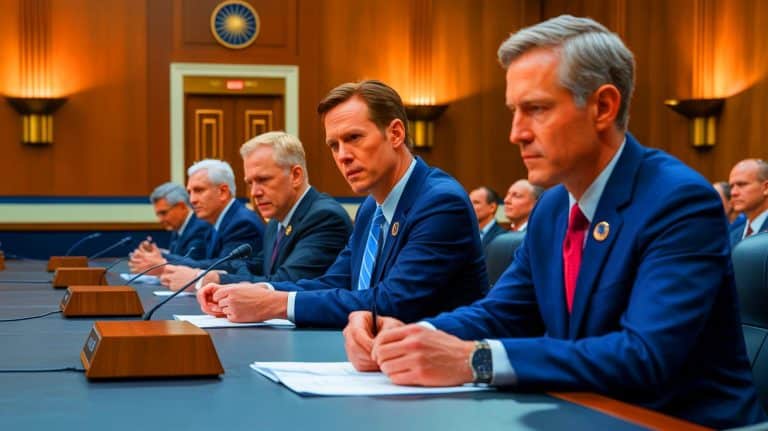



CISA Staff Reassignment to Border Security Sparks Lawmakers’ Concerns Over Immigration Policy Impact on National Safety
 By
Adam Kovács
By
Adam Kovács
| IN A NUTSHELL |
|
The recent reassignments of Cybersecurity and Infrastructure Security Agency (CISA) personnel to immigration-focused roles have sparked significant concern from a group of House Democrats. These lawmakers have formally requested an explanation from Homeland Security Secretary Kristi Noem, questioning the impact of these changes on national cybersecurity. Led by Representative James Walkinshaw, the group argues that these reassignments may violate the Antideficiency Act, which prohibits agencies from reallocating funds without congressional approval during a government shutdown. This move, perceived as prioritizing immigration enforcement over crucial cybersecurity tasks, has raised alarms about the potential risks to U.S. cyber defenses.
Potential Violation of Federal Law
The core issue at hand is whether the Department of Homeland Security’s (DHS) actions, under Secretary Kristi Noem, contravene the Antideficiency Act. This federal law ensures that government agencies do not spend funds not appropriated by Congress, particularly during a lapse in federal funding. The reallocation of CISA staff to Immigration and Customs Enforcement (ICE) and other border-focused roles during the government shutdown has led to accusations of legal violations.
Representative James Walkinshaw and his colleagues have pointed out that such reassignments divert attention and resources from critical cybersecurity functions. These functions are essential for protecting the nation’s infrastructure and digital assets. The lawmakers argue that this reassignment undermines CISA’s mission and raises serious questions about the administration’s priorities.
Ukrainian Hackers “Declare War” as Russian Flights Face Chaos Sparking Global Tensions
“Firing or reassigning CISA’s cybersecurity experts in the middle of a shutdown isn’t just wrong, it’s illegal and dangerous,” Walkinshaw emphasized.
Impact on Cybersecurity Capabilities
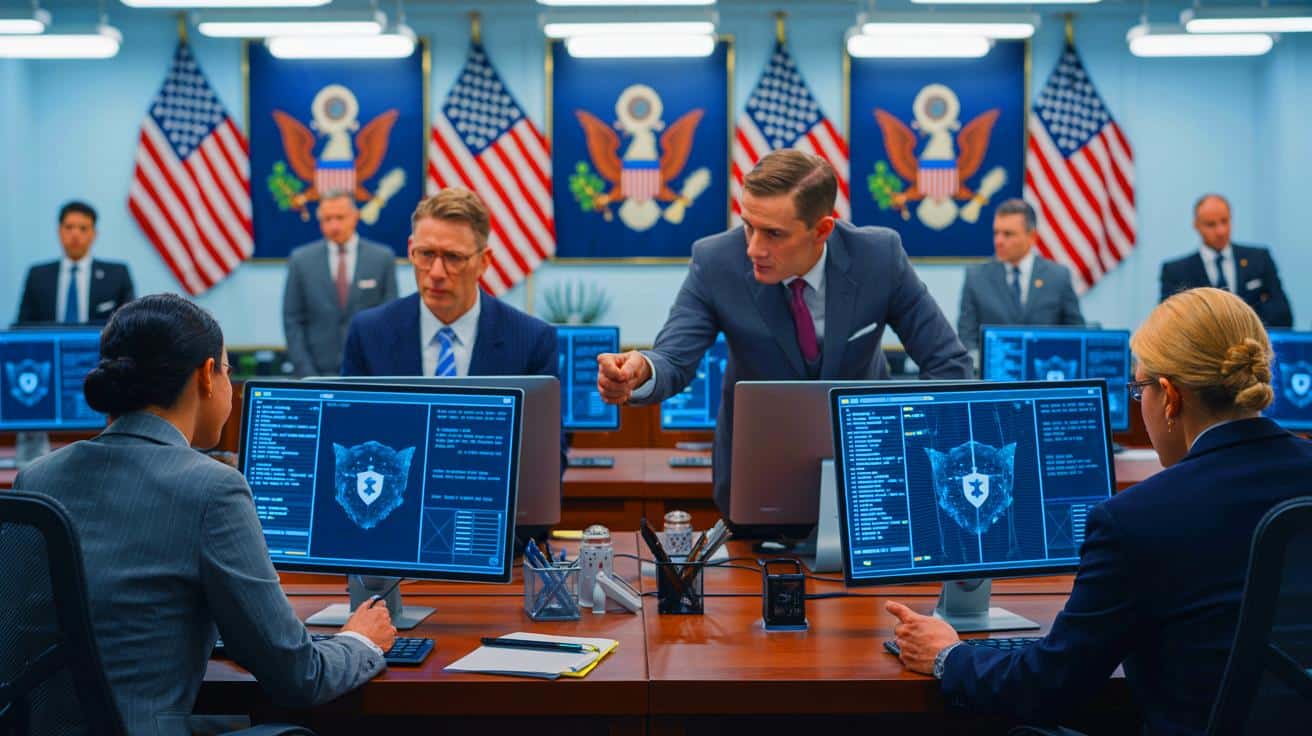
The reassignment of CISA staff has led to concerns about the integrity of the United States’ cybersecurity infrastructure. Experts warn that diverting skilled cybersecurity professionals to roles outside of their expertise could weaken the nation’s defenses against cyber threats. These professionals are responsible for safeguarding vital sectors, such as power grids, hospital networks, and water systems, from cyberattacks.
Additionally, the move has prompted fears that important cybersecurity initiatives may be delayed or compromised. CISA’s recent directive to patch vulnerabilities in services from the application delivery provider F5, linked to Chinese state-aligned hackers, highlights the ongoing threats the agency faces. With foreign adversaries and criminal hackers continuously targeting U.S. networks, the need for a robust cybersecurity workforce is more critical than ever.
Political Motivation and Ethical Concerns
The decision to redirect resources from cybersecurity to immigration enforcement has raised suspicions of political motivations behind the reassignments. The Trump administration has been criticized for prioritizing immigration policies over other pressing national security concerns. The push to expand detention capacities and accelerate deportations has led to ethical and legal questions, particularly regarding the treatment of U.S. citizens.
CISA has recently been at the center of political controversies, particularly related to its efforts in combatting misinformation. Accusations have surfaced that the agency engaged in censorship, stemming from its collaboration with social media platforms to curb false information during the pandemic and elections. This scrutiny has complicated CISA’s role in a politically charged environment, raising questions about how its mission might be influenced by political agendas.
Future of U.S. Cybersecurity
The reallocation of CISA staff to immigration roles poses significant implications for the future of U.S. cybersecurity. As lawmakers continue to seek answers, the broader repercussions of these changes remain uncertain. The question of whether the U.S. can maintain its cybersecurity posture in light of these reassignments looms large. The potential weakening of cyber defenses could have far-reaching consequences for national security.
These developments highlight the ongoing struggle to balance different aspects of national security. As the situation unfolds, the need for a clear strategy that prioritizes cybersecurity alongside other critical areas becomes more apparent. Lawmakers are urging the administration to reconsider these reassignments and restore CISA personnel to their original roles, emphasizing the importance of maintaining a strong cybersecurity framework.
As the debate continues, the question remains: Can the U.S. effectively balance immigration enforcement and cybersecurity priorities without compromising its national defenses? The answer may shape the future of the nation’s approach to security and governance.
Continue reading