



Longest Shutdown in History Exposes Deep Readiness Challenges, Sparking Concerns Over National Security and Daily Operations
 By
Adam Kovács
By
Adam Kovács
| IN A NUTSHELL |
|
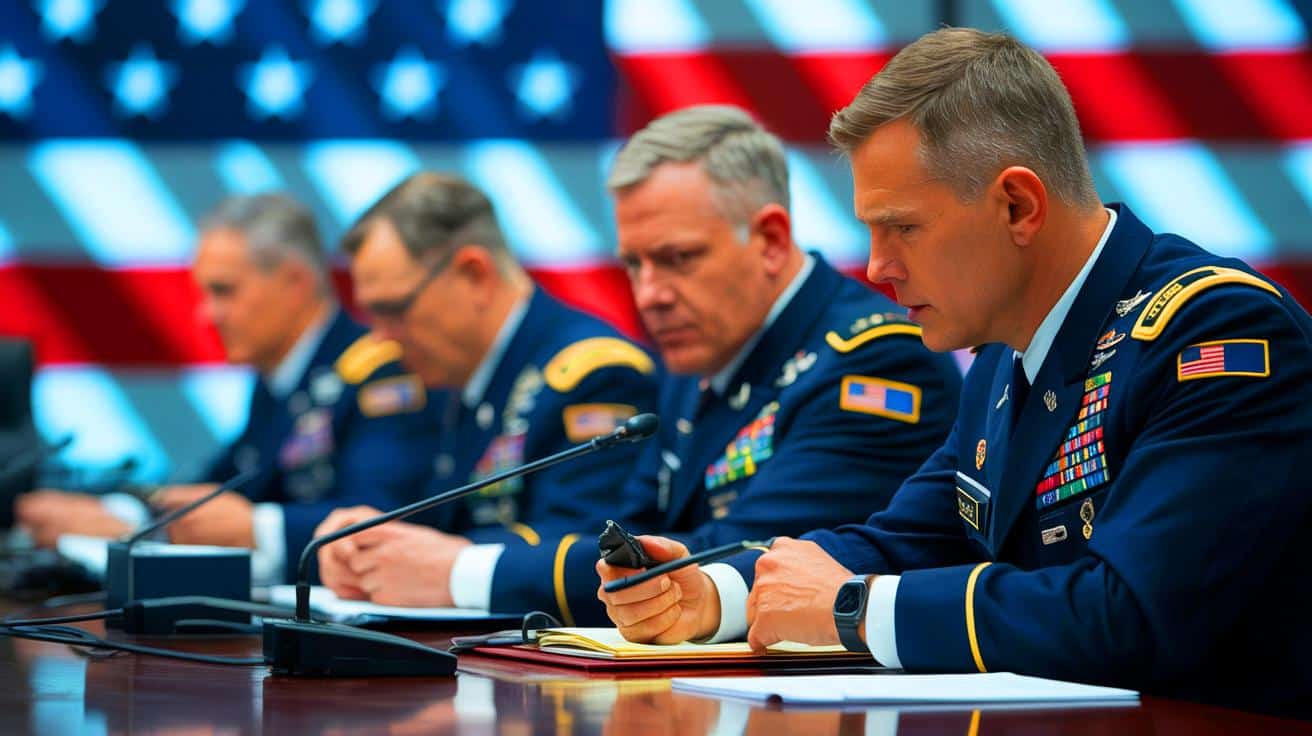
The longest government shutdown in U.S. history is now in its seventh week, casting a significant shadow over the military’s readiness and operational capabilities. As leaders from four major military advocacy groups urge Congress to end the shutdown and provide backpay to affected civilians, the impact is becoming increasingly severe. The Defense Department is particularly hard hit, with training and maintenance hours being lost due to a lack of funding. As the House prepares to vote on a Senate continuing resolution, the road to recovery for military services remains uncertain. The ongoing situation raises critical questions about the future of military preparedness and the well-being of service members.
Impact on Military Readiness and Training
The government shutdown has lasted for approximately 13% of the fiscal year, and its effects on military readiness are profound. The Pentagon, which has been focused on enhancing lethality, is seeing its efforts hampered by the budgetary constraints imposed by the shutdown. Training and maintenance hours, crucial for maintaining operational readiness, are being sacrificed. Burt Field, president of the Air and Space Forces Association, highlighted the dire nature of the situation: “We’re in a never-ending spiral of not being able to get where you need to be.”
Senior military leaders have long criticized the use of continuing resolutions (CRs) because they prevent the military from fully executing its plans. Instead of increasing operations, training, and maintenance over previous years, the services must prioritize missions more stringently. Les Smith, vice president for leadership and education at the Association of the U.S. Army, emphasized the importance of maintaining mission schedules, stating, “You’ve only got so many days to do a certain window, and the missions don’t stop.”
Challenges for National Guard and Reserve Units
The shutdown is also affecting National Guard and Reserve units, which rely on dual-status technicians for equipment maintenance. Frank McGinn, president of the National Guard Association of the United States, noted that a National Guard unit preparing for deployment in 2026 is already facing challenges due to the shutdown. “It’s going to affect the timeliness of their impending deployment,” he said.
With over 30,000 dual-status technicians not receiving pay since September, the backlog in training ranges and equipment readiness is growing. The lack of available training ranges is particularly acute for reserve components, exacerbating the existing challenges. McGinn stressed the need for legislative protections to prevent such issues from recurring in future shutdowns, stating, “We need Congress to pass protections for our uniformed and technician personnel.”
Advocacy for Legislative Action
During previous shutdowns, Congress has occasionally passed emergency measures to ensure Defense Department personnel receive their pay. However, the Pay Our Troops Act, introduced in mid-September, has yet to see a vote. Advocacy groups are pushing for legislation to guarantee pay for service members and civilians during future shutdowns.
John Hashem, executive director of the Reserve Organization of America, argued that the government’s actions send a troubling message to volunteers. “Every day that the shutdown continues, it really kind of signals to those who volunteer that their service is conditional,” he said. The uncertainty surrounding pay and working conditions could lead to resignations among Defense Department civilians, exacerbating staffing challenges for the military.
Political Dynamics and Future Implications
The current administration’s stance on workforce reductions adds another layer of complexity to the situation. While some view the potential resignations of Defense Department civilians as concerning, others see it as aligning with administrative goals to reduce the workforce. Burt Field expressed frustration with Congress, stating, “They do not have to do that on the backs of service members, civilians, and their families.”
The ongoing shutdown highlights the need for a more stable and predictable funding mechanism for the military. While political debates and negotiations are intrinsic to the legislative process, the impact on military readiness and personnel raises serious concerns. As the shutdown continues, the question remains: How will the military balance its operational needs with the unpredictable nature of government funding?
The ramifications of the government shutdown on military readiness and personnel are profound and multifaceted. As advocacy groups and military leaders continue to call for legislative action, the question of how to prevent such disruptions in the future looms large. In a complex and ever-evolving geopolitical landscape, how can the U.S. ensure that its military remains prepared and resilient in the face of fiscal uncertainty?
Continue reading