


“We’re Backing European Power”: Portugal Picks Rafale Over F-35 in Stunning Strategic Shift That Shakes NATO Balance
 By
Adam Kovács
By
Adam Kovács
| IN A NUTSHELL |
|
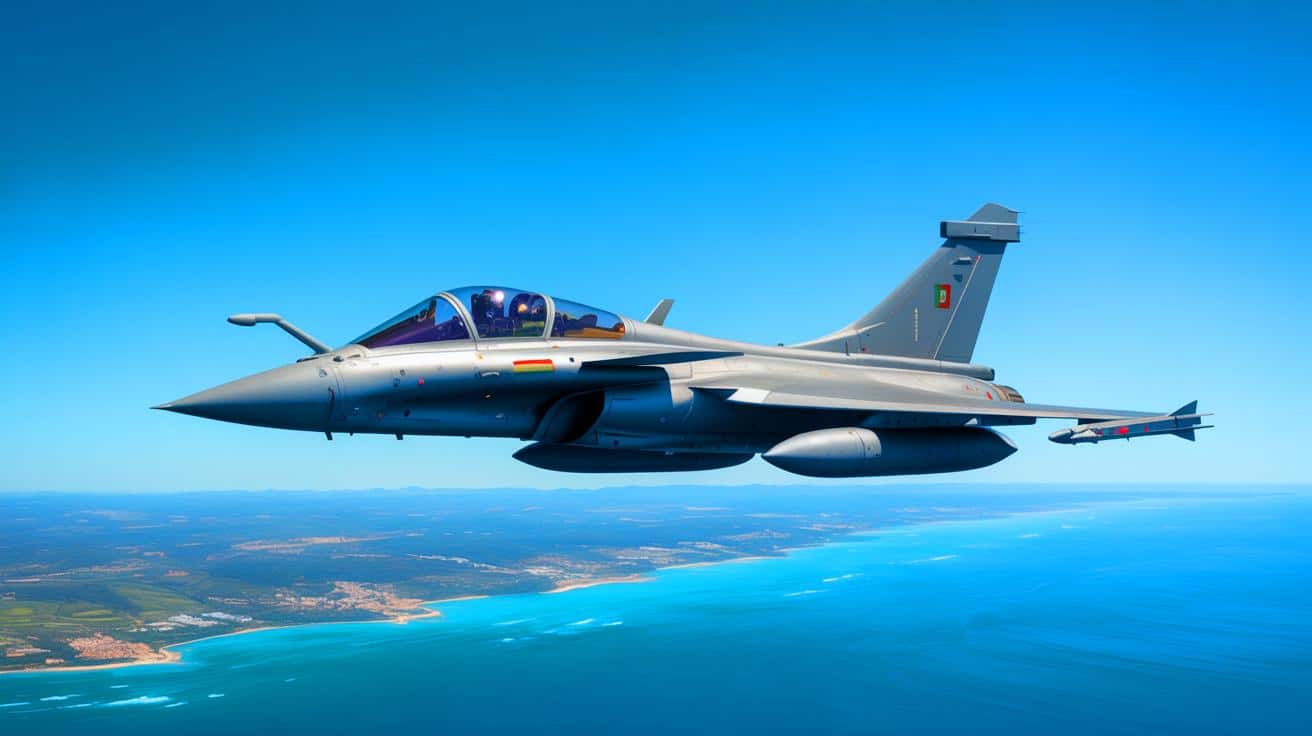
The recent decision by Portugal to favor the French Rafale over the American F-35 has sent ripples through the defense community, raising both admiration and debates among experts. This strategic pivot underscores Portugal’s commitment to maintaining its independence while aligning with long-term goals. But what are the underlying factors that have spurred this surprising choice?
Why Did Portugal Abandon the F-35?
The announcement from Lisbon to step back from the F-35 program was unexpected. Unlike other European nations captivated by the American jet’s stealth capabilities, Portugal carefully evaluated its options. The F-35 is undoubtedly a technological marvel, yet its operational costs would have burdened Portugal’s budget for the next three decades, explains Sofia Almeida, a military strategy analyst based in Lisbon. The Rafale provides a more balanced approach between performance and cost management.
Portugal’s decision was influenced by several critical factors. These include lower maintenance costs, estimated to be 40% less than the F-35, and immediate compatibility with NATO systems. Additionally, the potential for technology transfer negotiations, better adaptation for maritime surveillance missions, and a desire to boost the European defense industry played significant roles. These reasons collectively underscore why Portugal opted out of the F-35 program.
How Does This Choice Impact the Portuguese Economy?
Beyond military considerations, choosing the Rafale presents promising industrial opportunities. “We anticipate creating at least 200 highly skilled jobs in advanced maintenance,” notes Tiago Botelho, head of an aerospace hub near Porto. Agreements are underway to involve local subcontractors in manufacturing certain components, further embedding the choice within the national economy.
Portugal is leveraging this contract to enhance its expertise in composite materials and embedded electronic systems. Several university research centers have already announced partnerships with Dassault Aviation. This collaboration will foster technological advancements and bolster Portugal’s position in the aerospace sector.
What Are the Strategic Advantages of the Rafale?
Contrary to popular belief, the Rafale is not a mere “second choice.” “Its M88 engine allows for short takeoffs, ideal for our Azores island bases,” states Commander Nuno Viegas, an experienced fighter pilot. The Rafale’s RBE2-AA radar offers 360-degree detection, a crucial asset for monitoring Portugal’s vast maritime areas. These capabilities make the Rafale a formidable asset in Portugal’s defense arsenal.
| Criterion | F-35A | Rafale F4 |
|---|---|---|
| Unit Cost | $85 million | $70 million |
| Range | 745 miles | 1,150 miles |
| Availability Rate | 60% | 75% |
| Armament | Internal only | External hardpoints |
Does This Decision Isolate Portugal in NATO?
There were initial concerns about strategic isolation, but the reality is more complex. “NATO has long utilized a diverse array of aircraft,” points out Ambassador Rui Pereira. Portugal maintains its crucial role in North Atlantic surveillance, regardless of the aircraft used. Joint exercises with French Rafales have already demonstrated their perfect interoperability.
This decision positions Portugal as a pioneer in more integrated European defense. “We are paving the way for unprecedented collaborations,” enthuses Minister Elisa Monteiro. Talks are ongoing with Croatia and Greece, who also use the Rafale, to create a shared pool of spare parts, enhancing operational readiness and cooperation.
Portugal is crafting a new chapter in its military history with pragmatism and foresight. The choice of the Rafale, far from being merely an equipment purchase, reveals a comprehensive strategy intertwining sovereignty, innovation, and European integration. As Sofia Almeida aptly puts it, “We are not just choosing an aircraft, we are choosing a future.” How will other nations respond to Portugal’s bold move, and what implications might this have for the broader defense landscape?
Continue reading