


“They Hold the Future in These Crates”: China Ships Crucial Reactor Parts That Could Unlock Unlimited Clean Energy
 By
Adam Kovács
By
Adam Kovács

| IN A NUTSHELL |
|
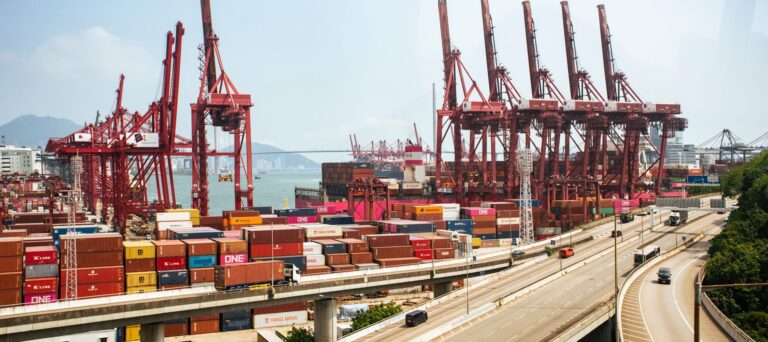
The advancement of nuclear fusion energy took a significant leap forward as China shipped 48 vital blanket shield block modules to the International Thermonuclear Experimental Reactor (ITER) in France. This marks a pivotal moment in the quest for sustainable energy, showcasing international collaboration in the world’s largest experimental tokamak fusion project. Known as the “artificial sun,” ITER is a beacon of hope for clean energy, uniting the efforts of countries like China, the European Union, India, Japan, South Korea, Russia, and the United States. As these modules embark on their journey from Guangzhou, China, they symbolize a crucial step toward realizing fusion as a large-scale, environmentally friendly power source.
Magnetic Cage Technology Powers ITER’s Nuclear Fusion Efforts
The heart of the ITER project lies in its groundbreaking magnetic cage technology, which is fundamental to confining and controlling super-heated plasma for fusion reactions. This gigantic structure, weighing approximately 5,500 tons, is composed of nine sectors and features 44 ports. These ports play a crucial role in facilitating essential operations such as diagnostics, remote handling, heating, and fueling. With an interior volume of about 49,000 cubic feet, the tokamak acts as a specialized platform for advancing fusion research.
Luo Delong, the deputy director general of the ITER organization, emphasizes the project’s goal of developing nuclear fusion energy as a sustainable solution for future energy needs. Fusion energy’s appeal lies in its virtually limitless fuel supply, minimal environmental impact, and high safety standards. The blanket shield block modules, essential for the reactor’s stability, offer neutron shielding and manage heat conduction in extreme thermal conditions, protecting the reactor and its operators.
China and South Korea Lead ITER Module Production
In the ambitious ITER project, China and South Korea are leading the charge in module production. These blanket shield block modules are designed to perform two critical functions: shielding against high-energy neutrons and transferring significant amounts of nuclear heat using cooling water. This dual role not only protects peripheral equipment but also ensures that components operate within safe temperature limits.
China, through Dongfang Electric Corporation, is responsible for producing 220 modules, with the first 48 already shipped. According to Wang Weidong, chairman of Dongfang Electric (Guangzhou) Heavy Machinery Co., Ltd., the remaining modules are slated for delivery by 2027. South Korea has taken on the production of four ITER vacuum vessel sectors, having increased its initial responsibility from two sectors in 2016. This collaboration highlights the global effort to push the boundaries of fusion energy technology.
Tritium: The Future of Fusion Fuel
The blanket shield block modules are poised to play a pivotal role in producing tritium, a crucial fuel for sustaining nuclear fusion reactions. Tritium is essential but scarce, posing a challenge for large-scale fusion energy development. Currently, the ITER project does not focus on tritium production, but there are plans to explore its potential in future phases of the project.
Chen Jiming, chief scientist at the Southwestern Institute of Physics, underscores the importance of tritium in achieving sustainable fusion. The team’s future work aims to enable tritium regeneration, potentially boosting the sustainability of clean energy. This exploration could pave the way for more efficient and continuous fusion reactions, enhancing the practicality of fusion as a global energy solution.
The Global Impact of ITER’s Progress
ITER’s progress signifies a monumental shift in the pursuit of clean energy. By harnessing the power of nuclear fusion, the project aims to replicate the energy production process of the sun on Earth, offering an almost limitless supply of clean energy. The collaborative efforts of nations involved in ITER underscore the potential of fusion to transform global energy systems.
As countries like China and South Korea lead module production and contribute critical components, the international community inches closer to realizing fusion’s promise. The advancements made in ITER not only offer hope for a sustainable future but also challenge us to consider the possibilities that fusion energy holds. What will the successful implementation of fusion energy mean for the world’s energy landscape?
Continue reading