

“New Engine Slashes Emissions by 70%”: Automakers Shake EV Market With Fossil Fuel Tech That Rivals Electric Vehicles in Sustainability Race
 By
Adam Kovács
By
Adam Kovács
| IN A NUTSHELL |
|
Innovation in the automotive industry is a constant pursuit, with companies tirelessly working to develop technologies that redefine mobility. As the world grapples with climate change, the shift towards sustainable transportation has gained momentum. Electric vehicles (EVs) initially emerged as the frontrunners in this transition, offering a cleaner alternative to traditional gasoline-powered cars. However, recent advancements in engine technology suggest that the landscape of sustainable transportation could be on the brink of another revolution.
The Rise of Electric Vehicles
Electric vehicles have gained significant traction over the past decade. With their promise of zero emissions and reduced dependence on fossil fuels, they have become a symbol of hope for a greener future. Major automakers have invested billions in EV development, with governments around the world offering incentives to boost adoption. As of 2021, EVs accounted for nearly 10% of new car sales in the U.S.
Their appeal lies in their environmental benefits, as they produce no tailpipe emissions. Additionally, advancements in battery technology have extended driving ranges, making them more practical for everyday use. The infrastructure to support EVs is also expanding, with more charging stations being installed across the country. Despite these advances, challenges remain, particularly concerning battery production’s environmental impact and the availability of charging facilities in rural areas.
New Engine Technologies Challenge EV Dominance
While electric vehicles have dominated headlines, new engine technologies are emerging that could disrupt their supremacy. Recent developments suggest that traditional internal combustion engines might not be obsolete yet. Engineers have been working on innovations that drastically cut emissions and improve fuel efficiency. These advancements challenge the notion that EVs are the only viable path to sustainable transportation.
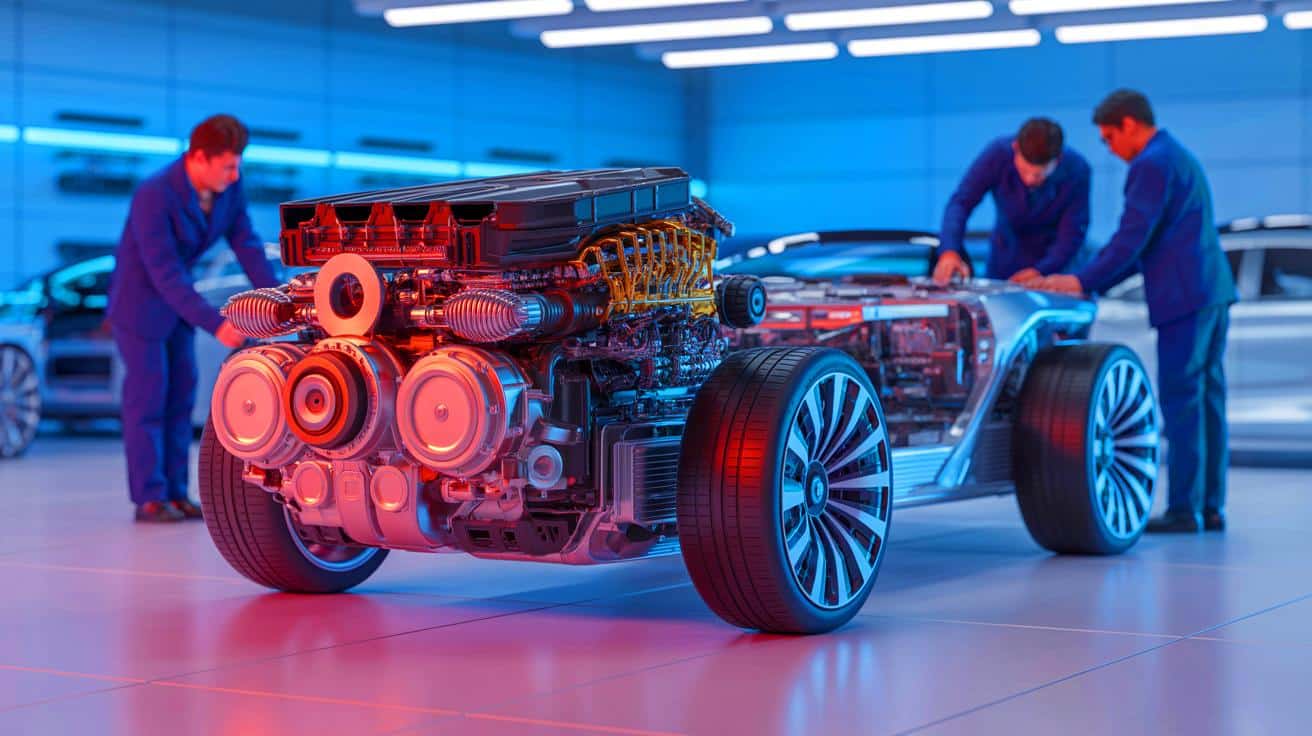
One such breakthrough involves the development of a new type of engine that significantly reduces carbon emissions without relying on electric or hydrogen power. This technology could offer a more familiar and accessible alternative for consumers hesitant to transition to fully electric vehicles. Moreover, it allows automakers to utilize existing manufacturing infrastructure, potentially reducing the cost and complexity of producing new vehicles. This approach could appeal to markets where EV adoption faces logistical hurdles.
Comparing Environmental Impacts
The debate over the most sustainable vehicle technology often centers around environmental impact. Electric vehicles are praised for their lack of direct emissions, but their production and battery disposal raise concerns. Conversely, new engine technologies claim to offer a middle ground by reducing emissions from traditional fuels.
To compare these impacts, it is crucial to consider the entire lifecycle of each vehicle type. While EVs have zero tailpipe emissions, producing their batteries involves significant mining and energy use. On the other hand, improved internal combustion engines aim to reduce emissions during operation, but still rely on fossil fuels. A balanced assessment requires weighing these factors against each other.
| Technology | Emission Type | Environmental Impact |
|---|---|---|
| Electric Vehicles | Zero Tailpipe | High Production Impact |
| New Engine Technology | Reduced Carbon | Lower Operation Emissions |
The Future of Automotive Innovation
The automotive industry stands at a crossroads, with multiple technologies vying for dominance in the pursuit of sustainability. Electric vehicles have made significant strides, but emerging engine technologies present a compelling alternative. The future may not belong to a single technology but rather a combination that leverages the strengths of each.
As companies continue to innovate, consumers will play a critical role in shaping the market. Their preferences, influenced by factors such as cost, convenience, and environmental consciousness, will determine which technologies gain widespread acceptance. Policymakers also have a role, as regulations and incentives can steer the industry towards specific solutions. The path forward will require collaboration and adaptability from all stakeholders.
The evolution of vehicle technologies is a dynamic process, constantly shaped by advancements in engineering and shifts in consumer preferences. As we look to the future, the question remains: will electric vehicles maintain their lead, or will new engine technologies redefine our approach to sustainable transportation?
Continue reading