


“Nuclear Subs Will Carry Gas Now”: Russia Deploys Arctic LNG Submarines With 30MW Reactors Cutting Transit From 20 to 12 Days
 By
Adam Kovács
By
Adam Kovács
| IN A NUTSHELL |
|
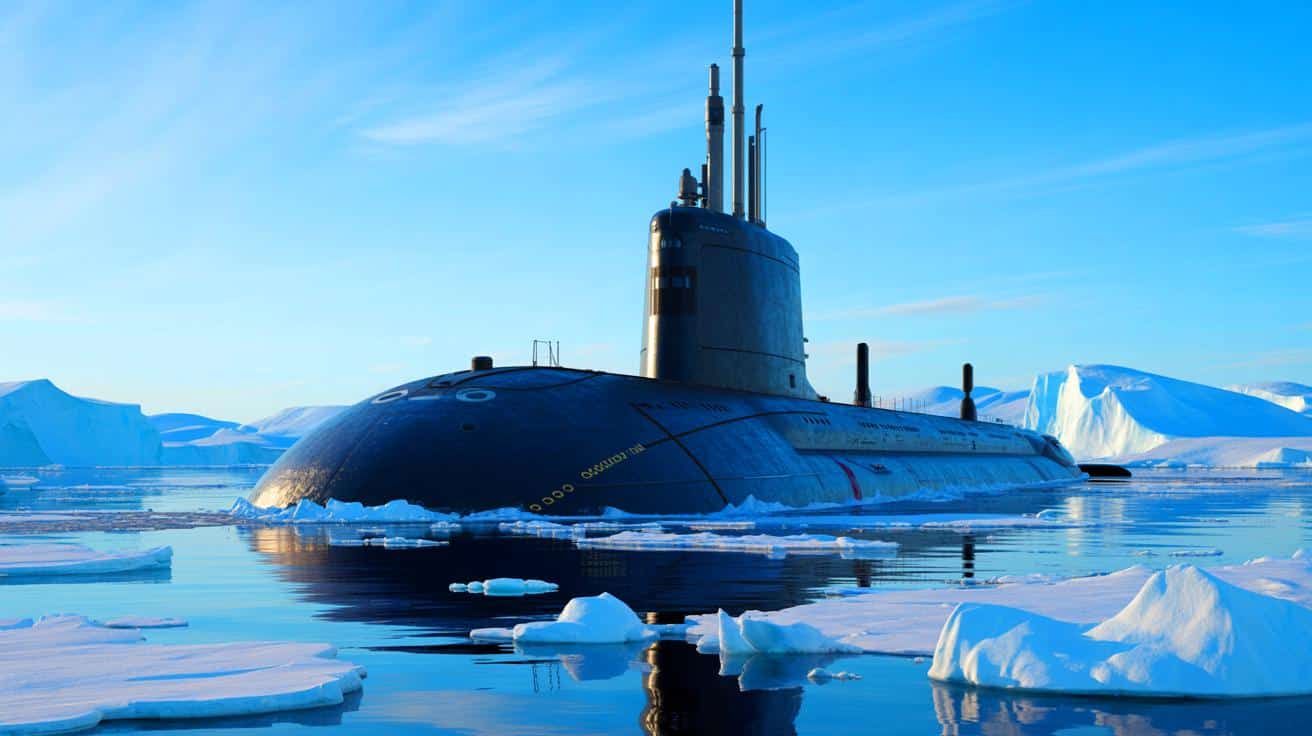
Russia is poised to make a bold leap in the transportation of liquefied natural gas (LNG) by employing submarines equipped with nuclear reactors. This groundbreaking innovation could transform the global energy landscape, providing a novel method of transport along the Northern Sea Route. Developed by the Kurchatov Institute, the technology promises to significantly reduce travel time, making gas transportation more efficient and potentially safer. However, the feasibility and implications of this technological advance provoke both enthusiasm and skepticism among experts and policymakers alike.
Submarines Transporting LNG: An Imminent Reality
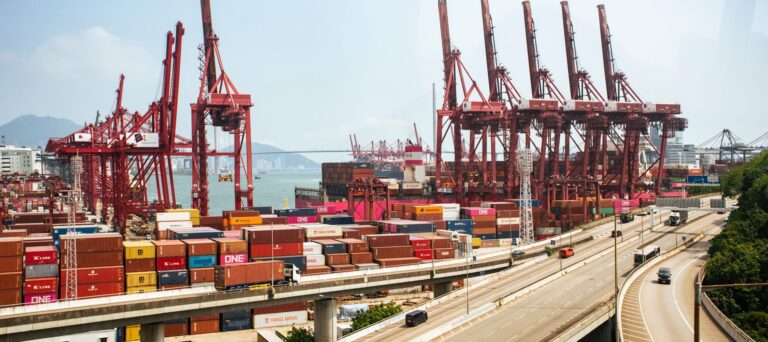
The project initiated by the Kurchatov Institute, involving submarines designed to transport LNG, is set to become a reality soon. These submarines are intended to operate along the Northern Sea Route, a crucial artery for transportation in the Russian Arctic. In 2024, this route handled 37.9 million tons of goods, with 3.1 million tons in transit. According to projections, the Arctic region’s port capacity is expected to increase by over 37 million tons by 2030. This new technology promises to effectively replace traditional gas carriers, offering a long-term alternative solution.
Mikhail Kovalchuk, the director of the institute, highlighted the project’s significance at an event in Saint Petersburg. He stated that these submarines could provide a viable and competitive alternative to conventional gas transportation methods. The idea has garnered substantial support from the Russian government, which views it as a major strategic advancement.
Rhythm-200 Nuclear Reactors to Propel the Submarines
The submarines will be powered by Rhythm-200 nuclear reactors, each supplying 30 MW electric engines. This system will enable the submarines to reach a speed of 17 knots, thereby reducing travel time along the Northern Sea Route from 20 days to 12 days. With no direct contact with ice, these submarines will offer a reliable transportation solution year-round.
Nevertheless, some experts express skepticism regarding Russia’s ability to successfully complete this project. Western sanctions have already hindered necessary investments and production capabilities. Additionally, for this route to be genuinely competitive, significant improvements to Arctic port infrastructures are essential. These challenges raise questions about the long-term viability of this ambitious initiative.
Advantages and Challenges of LNG Transport Submarines
Utilizing submarines for LNG transport presents several potential advantages. On one hand, they could offer increased security compared to surface carriers and pipelines. A limited number of these submarines could suffice to transport as much gas as a traditional undersea pipeline. On the other hand, this concept has received praise from influential political figures, including Russian President Vladimir Putin, who lauded its feasibility and efficiency.
However, implementing this technology is not without obstacles. Technical constraints, development costs, and political uncertainties could complicate the project’s advancement. Moreover, environmental concerns and nuclear waste management pose significant challenges that must be addressed to ensure the success and sustainability of this innovative project.
Future Prospects of the Northern Sea Route
The Northern Sea Route, as a primary Arctic transport line, plays a crucial role in Russia’s energy strategy. The development of LNG transport submarines could enhance the importance of this route, increasing its capacity and reducing delivery times. Russia aims to establish this route as a major corridor for international trade, thereby exploiting its Arctic resources more effectively.
As the world watches this technological advancement with interest, the impact of these submarines on global trade remains to be seen. The investments required to support this infrastructure and the geopolitical implications it may entail are unavoidable factors in this complex equation.
Ultimately, Russia’s vision for its energy transport network is ambitious and innovative. However, technical, economic, and political challenges are numerous. As the implementation of this technology progresses, one question remains: how far can Russia go in transforming its Arctic ambitions into concrete reality?
Continue reading