

“France’s Urban Nuclear Reactor Arrives”: CAL30 Small Modular Design Heats Cities While That 30-Megawatt System Needs Refueling Every 2 Years
 By
Adam Kovács
By
Adam Kovács
| IN A NUTSHELL |
|
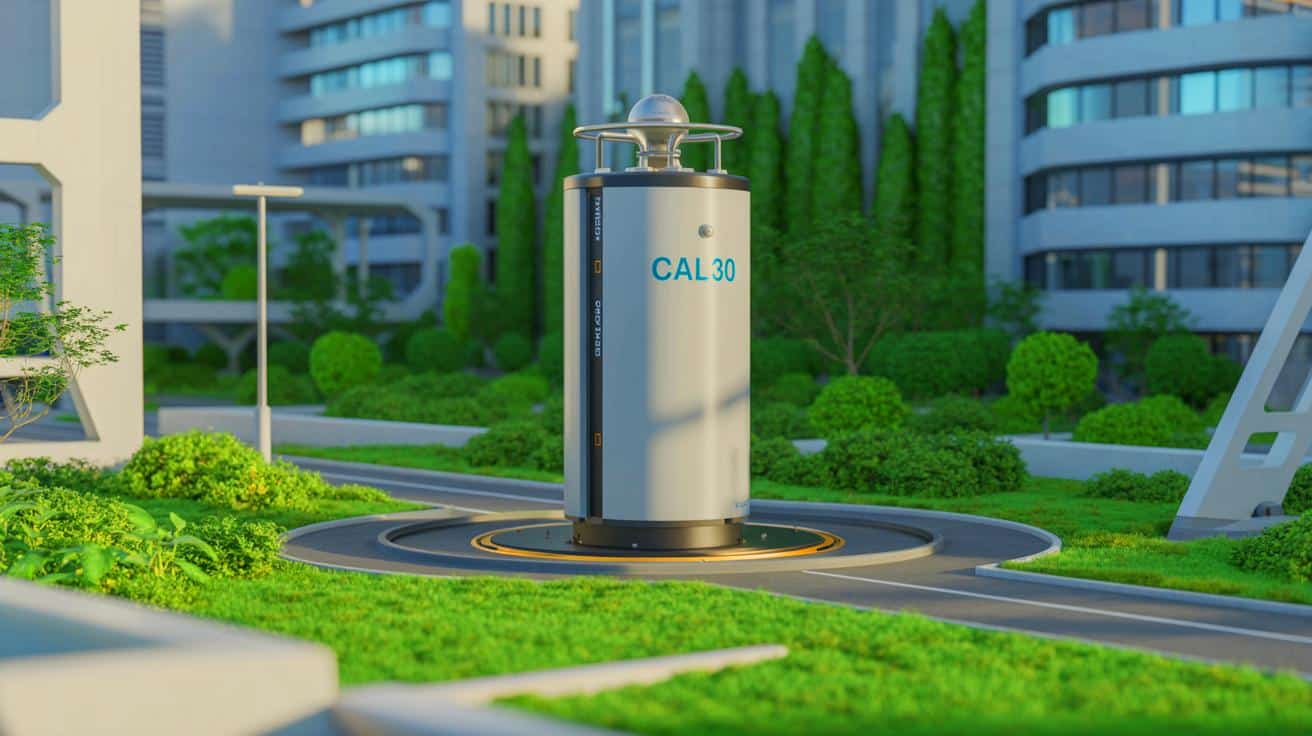
In the evolving landscape of nuclear energy, France is taking significant strides with its exploration of small modular reactors (SMRs). One such project is the deployment of CAL30, a 30-megawatt water-cooled SMR, at the Cadarache site. This development is part of a broader initiative by Calogena, a French company, aimed at revolutionizing energy production with compact and efficient nuclear reactors. The CAL30 project has garnered attention due to its potential to supply carbon-free urban heating networks, marking a pivotal shift in the country’s approach to sustainable energy.
The Promise of Small Modular Reactors
Small modular reactors are gaining traction globally as a promising solution for clean and efficient energy production. Unlike traditional nuclear power plants, SMRs are designed to be compact and flexible, providing a versatile approach to energy generation. The CAL30 reactor, in particular, boasts a thermal power capacity of 30 megawatts, positioning it as a suitable option for urban heating networks. Its ability to operate at low pressure and temperature enhances safety and reduces operational complexity.
Calogena, the company behind CAL30, emphasizes the reactor’s intrinsic safety features and small footprint. With a land requirement of only 32,000 square feet and building space of less than 11,000 square feet, the reactor is designed to minimize environmental impact. Furthermore, the reactor’s design allows for factory assembly, enabling quick and cost-effective deployment. This modular approach could significantly reduce the construction time and costs associated with larger nuclear reactors.
Regulatory Path and Deployment Timeline
The CAL30 project is currently under evaluation by the French Nuclear Safety and Radiation Protection Authority (ASNR). It is one of four SMR designs being scrutinized, alongside Blue Capsule, Naarea, and Jimmy. Each of these designs is at a different stage in the regulatory process, with CAL30 being in the pre-licensing phase. This stage is crucial for obtaining initial technical assessments and establishing a shared understanding with regulators on key issues.
Calogena aims to accelerate the deployment of CAL30, with hopes of operational status as early as 2030. Achieving this timeline will depend on successful navigation through regulatory requirements and the ability to demonstrate the reactor’s safety and efficacy. The positive momentum in regulatory phases reflects growing confidence in SMR technology and its potential to contribute to France’s energy transition.
Innovative Design and Operational Advantages
The innovative design of CAL30 sets it apart from conventional nuclear reactors. By utilizing the same fuel in a shortened form, Calogena has created a reactor that requires minimal refueling.
The reactor’s design allows for refueling just once every two years, a stark contrast to the daily needs of wood-fired solutions.
https://visegradpost.com/en/2025/09/01/they-destroyed-starlinks-speed-chinese-2-watt-laser-beams-hd-movies-from-space-in-5-seconds-at-22369-miles/
This efficiency is a significant advantage for urban areas seeking reliable and low-maintenance energy solutions.
Another key feature of CAL30 is its ability to adapt to the fluctuating demands of district heating networks. The reactor can quickly adjust its output, ensuring that energy supply aligns with consumption patterns. Moreover, the reactor’s pool-type design draws on decades of experience with research reactors, providing a proven foundation for safe and effective operation. These attributes make CAL30 an appealing option for cities striving to reduce their carbon footprint.
Implications for France’s Energy Future
The deployment of CAL30 could have substantial implications for France’s energy landscape. By integrating SMRs into the energy mix, the country could enhance its capacity for clean and sustainable energy production. The focus on district heating networks aligns with broader goals to reduce reliance on fossil fuels and transition to renewable energy sources.
France’s commitment to SMR technology is indicative of a strategic shift towards innovative solutions that address both energy security and environmental sustainability. As global energy demands continue to rise, the successful implementation of projects like CAL30 could serve as a model for other nations exploring similar technologies. The path forward will require careful consideration of regulatory, technical, and economic factors to ensure the successful integration of SMRs into the national energy strategy.
As France advances its exploration of small modular reactors, the potential benefits for urban heating and carbon reduction are evident. However, questions remain about the scalability of such projects and the broader implications for nuclear energy policy. How will the integration of SMRs like CAL30 shape the future of energy production, and what lessons can be drawn for global energy transitions?
Continue reading