

“Nuclear Waste Is Now Gold”: Oklo And Curio Turn Radioactive Garbage Into Fuel, Creating $78 Billion Energy Revolution
 By
Adam Kovács
By
Adam Kovács
| IN A NUTSHELL |
|
The nuclear energy industry is witnessing a significant shift as companies explore innovative solutions to one of its most persistent challenges: radioactive waste. Two startups, Oklo and Curio, are at the forefront of this transformation. They are developing technologies to recycle nuclear waste into fuel for electricity. While the potential advantages are significant, including reducing waste and enhancing energy security, the path forward is fraught with challenges. These companies are navigating regulatory hurdles, cost concerns, and safety issues to bring their vision to fruition. As they push forward, the debate over the viability and safety of recycling nuclear waste continues to engage experts and policymakers alike.
The Promise of Nuclear Waste Recycling
Oklo and Curio are leading the charge in turning nuclear waste into a valuable resource. Their efforts highlight a critical shift in how nuclear waste is perceived. Traditionally viewed as a burden, nuclear waste is now being reconsidered as a potential asset. The process involves recycling the waste into new fuel, which can then be used in advanced nuclear reactors. This not only reduces the amount of waste that needs to be stored but also provides a new source of energy. This approach could transform the nuclear industry by making it more sustainable and cost-effective.
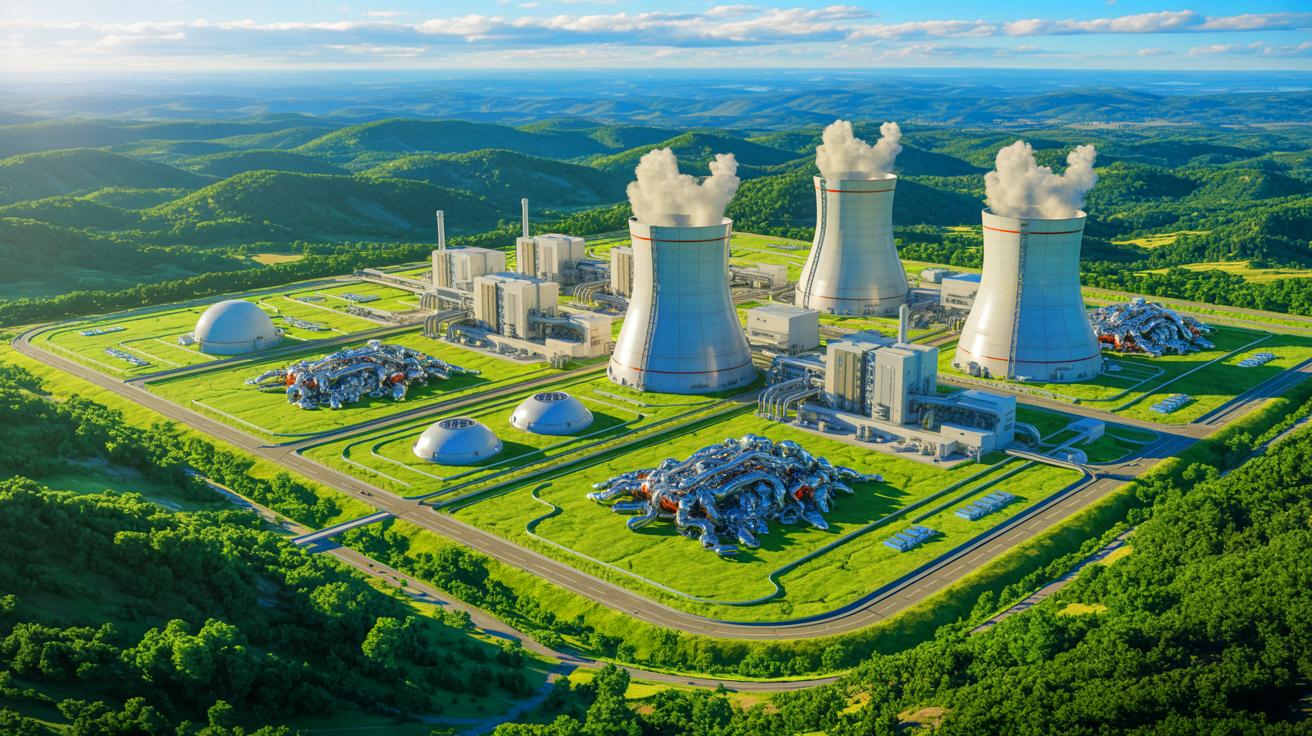
Oklo, backed by tech entrepreneur Sam Altman, is planning to establish a first-of-its-kind facility in Tennessee. This facility will recycle used nuclear fuel into new material for its Aurora “fast” reactor. These reactors differ from conventional ones by using high-energy neutrons to sustain the fission process. Meanwhile, Curio has received validation from several national laboratories for its waste recycling technology. Both companies are optimistic about the future, but they face significant obstacles in terms of regulatory approvals and public acceptance.
Challenges and Concerns
Despite the potential benefits, the idea of recycling nuclear waste is not without controversy. Several experts have voiced concerns about the economic and security implications of large-scale waste recycling. Edwin Lyman, director of nuclear power safety at the Union of Concerned Scientists, has expressed skepticism. He argues that the high costs and potential for theft make the process risky. Ross Matzkin-Bridger of the Nuclear Threat Initiative echoes these concerns, emphasizing the difficulties that have historically hindered the commercialization of this technology.
These concerns are not unfounded. The high costs associated with reprocessing nuclear waste, along with the need for stringent security measures, pose significant challenges. The potential for nuclear material to be misused or stolen is a serious risk, particularly in an era where security threats are constantly evolving. However, proponents argue that with the right safeguards, these risks can be effectively managed.
Optimism Amid Skepticism
Despite the challenges, both Oklo and Curio remain optimistic about the future of nuclear waste recycling. They argue that advances in technology and robust security measures can overcome the existing hurdles. Jacob DeWitte, CEO of Oklo, is confident that recycled fuel can be more cost-effective than fresh alternatives. Similarly, Ed McGinnis, CEO of Curio, believes that their technology can be implemented safely and economically.
The companies are working closely with the U.S. Department of Energy to accelerate the development and testing of their technologies. As part of a pilot program, the Energy Department is speeding up the testing of 11 advanced reactor projects, including three from Oklo. This collaboration is crucial for addressing the technical and regulatory challenges that lie ahead.
The Road Ahead
As Oklo and Curio continue to develop their technologies, the nuclear industry is watching closely. Successful commercialization of nuclear waste recycling could reshape the industry, making it more sustainable and efficient. However, achieving this will require overcoming significant technical, economic, and regulatory barriers. The support of government agencies, along with advances in technology, will be crucial in this endeavor.
While the path forward is challenging, the potential rewards are substantial. By transforming nuclear waste into a valuable resource, these companies could pave the way for a new era in nuclear energy. This would not only reduce the environmental impact of nuclear power but also enhance energy security. As they move forward, the key question remains: can they demonstrate that nuclear waste recycling is both economically viable and safe for widespread adoption?
Continue reading