

“They’re Building 13,000 Death Machines Monthly”: Ukrainian Forces Capture Secret Russian Drone That Changes Everything
 By
Adam Kovács
By
Adam Kovács
| IN A NUTSHELL |
|
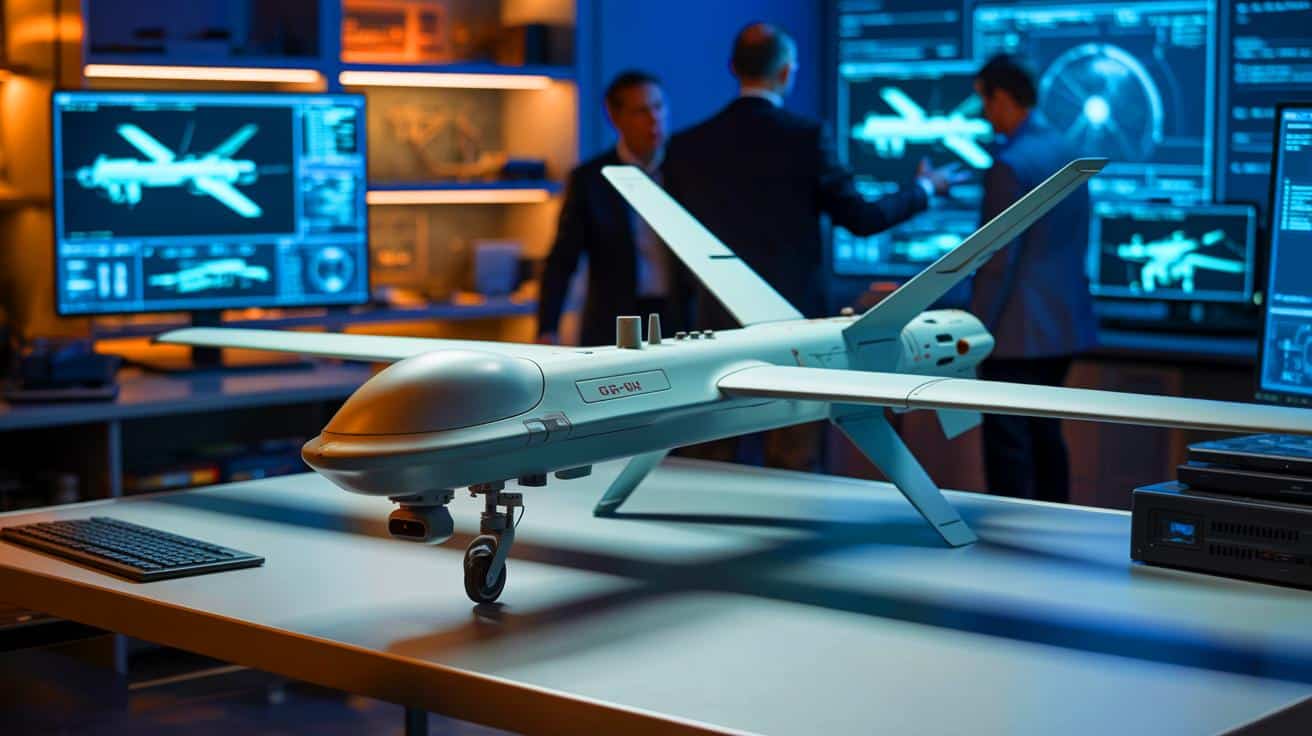
The conflict between Russia and Ukraine has seen a significant evolution in the use of military technology, particularly in the realm of unmanned aerial vehicles. Recently, Ukraine’s breakthrough in capturing a Russian Geran-3 drone has unveiled crucial insights into the technological advancements and strategies employed by Russia. This capture not only provides a glimpse into the intricate world of drone warfare but also highlights the ongoing arms race in the skies over Eastern Europe. As tensions persist, understanding these developments becomes essential for analyzing the broader implications on global military dynamics.
The Rise of Drone Warfare
The utilization of drones has emerged as a pivotal element in the conflict between Russia and Ukraine. Russia, leveraging its version of the Iranian Shahed-136, the Geran-2, has significantly intensified its drone operations. Factories located far from the frontline, like those in Yelabuga, produce thousands of these drones monthly. This production capability allows Russia to conduct extensive drone assaults against Ukraine, often launching hundreds in a single evening.
According to reports, Russia dispatched approximately 13,000 drones and decoys between January and May, utilizing more drones in some nightly attacks than in entire months during the previous year. While these drones, such as the Geran-2, are relatively straightforward to intercept due to their slower speeds, the sheer volume overwhelms Ukrainian air defenses. Despite many being shot down, enough drones penetrate the defenses to cause significant concern about the sustainability of this strategy.
Technological Advancements and Their Costs
The introduction of the Geran-3 drone marks a notable advancement in Russian drone technology, reflecting lessons learned from previous engagements. Unlike its predecessor, the Geran-3 employs a jet engine, specifically the Chinese HT80 Telefly, which enhances its speed significantly, ranging from 180 to 230 miles per hour. This speed improvement complicates interception efforts, granting the drone a better chance of reaching its target.
However, these enhancements come with trade-offs. The cost of a single HT80 engine ranges from approximately $19,000 to $31,000, and the overall production costs have increased compared to earlier models. Additionally, the jet engine reduces the Geran-3's operational range to about 620 miles, a decrease from the Geran-2's 930 miles. This limitation impacts the drone's ability to strike distant targets, necessitating more strategic planning to ensure mission success.
« Russia Fires 619 Drones at Ukraine »: Massive Attack Terrifies NATO While Air Defenses Overwhelmed
Integration of Foreign Components
The Geran-3's capture has revealed an intriguing aspect of Russian drone manufacturing: the incorporation of foreign components. Despite international sanctions, Russia has managed to source critical parts from various countries, including the U.S., China, and several European nations. According to Ukrainian intelligence, the Geran-3 contains 45 foreign-made components, with a significant proportion originating from American companies.
This revelation raises questions about the effectiveness of international sanctions and Russia's capacity to circumvent them. By leveraging intricate supply chains and partnerships, such as with Belarus, Russia continues to acquire essential materials for its military efforts. This ability to procure advanced technology from abroad underscores the complexities of enforcing trade restrictions in a globalized economy.
Strategic Implications and Future Considerations
The continuous evolution of drone technology in the Russia-Ukraine conflict has profound strategic implications. For Ukraine, the challenge lies in adapting to these advancements while maintaining effective defenses. The introduction of faster drones like the Geran-3 requires rapid response measures, as the window for interception narrows considerably.
For the international community, the situation prompts a reevaluation of current strategies to curb the proliferation of military technology. The integration of foreign components in Russian drones highlights the need for more robust mechanisms to prevent technology transfer. Additionally, these developments may influence future military doctrines and defense policies, as countries assess the role of unmanned systems in modern warfare.
As the conflict between Russia and Ukraine persists, the growing reliance on drones signifies an ongoing shift in military tactics. The technological advancements observed in the Geran-3 drone exemplify the dynamic nature of this conflict and the broader implications for global security. How will nations adapt to the challenges posed by increasingly sophisticated unmanned systems, and what measures should be implemented to ensure technological advancements do not escalate future conflicts?
Continue reading