


“Kim Jong Un Slams Failure”: North Korea Plans 5,000-Ton Destroyer By 2026 As Arrests Follow Capsized Warship And Mounting Global Suspicion
 By
Adam Kovács
By
Adam Kovács
| IN A NUTSHELL |
|
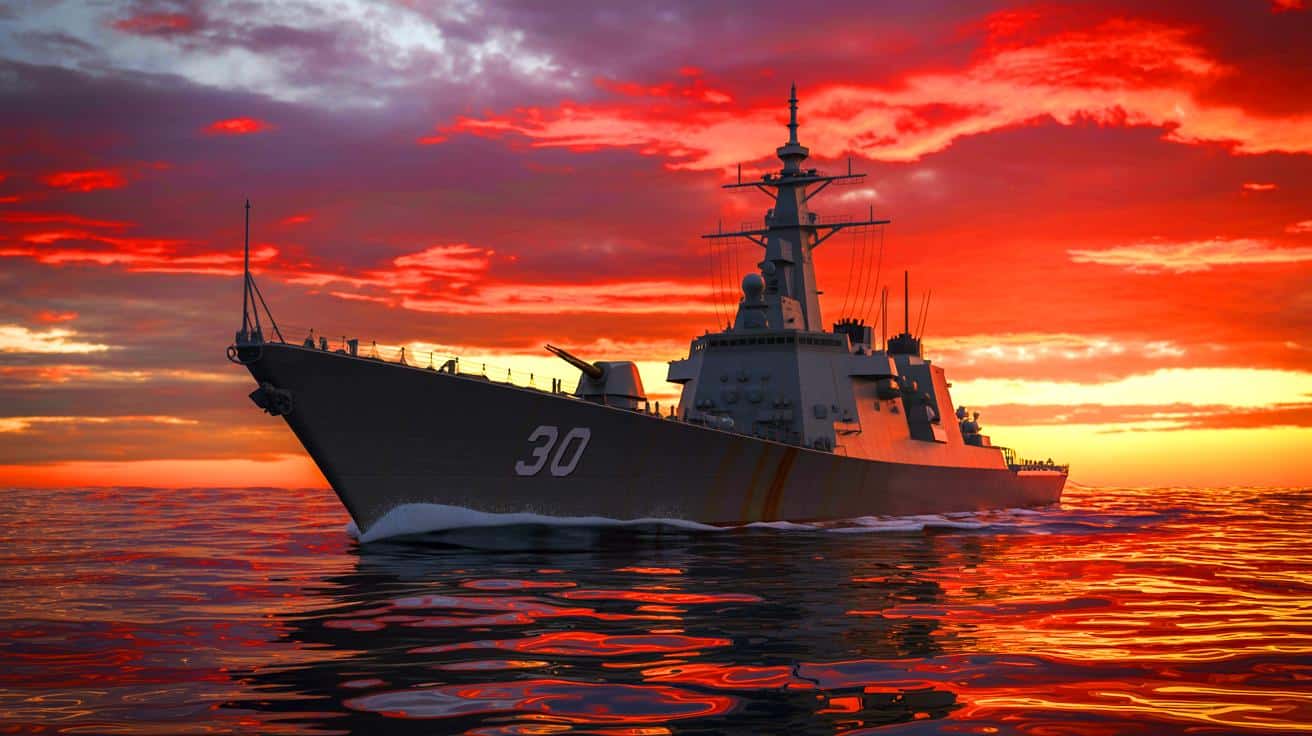
North Korea’s naval ambitions have been thrust into the spotlight once again as the nation plans to unveil a new 5,000-ton destroyer by October 10, 2026. This announcement follows a significant setback in May 2025, when a similar vessel capsized in a highly publicized ceremony. The event was labeled a “national shame” by North Korean leader Kim Jong Un, leading to arrests and heightened scrutiny on the naval builders. As tensions rise in East Asia, this development underscores the strategic maneuvering of North Korea amid a complex geopolitical landscape.
The Unveiling of a New Destroyer
On May 21, 2025, North Korea experienced a significant setback when a 5,000-ton destroyer capsized during its launch ceremony in the presence of Kim Jong Un. This unexpected incident was not only a technical failure but also a symbolic blow to the nation’s image. The North Korean authorities deemed the event so severe that four people were arrested, suggesting the incident had deeper political implications.
Following the incident, the destroyer, named Kang Kon, was reportedly relaunched successfully on June 12, 2025. However, skepticism remains among analysts regarding the feasibility of repairing such a substantial vessel in less than a month. Despite these doubts, Kim Jong Un announced plans for another destroyer of similar size, aiming to reinforce North Korea’s naval capabilities.
The North Korean news agency KCNA, alongside South Korea’s Yonhap, confirmed plans for the new destroyer to be launched by October 10, 2026. This date is significant as it marks the anniversary of the founding of North Korea’s ruling party by Kim Il-Sung, the current leader’s grandfather. The stakes are high for North Korea, as another failure could have profound implications for its leadership.
A Growing Threat Amid Rising Tensions
East Asia's geopolitical climate is marked by increasing tensions involving major players like China, Japan, Taiwan, and the United States. North Korea's decision to bolster its naval strength by adding a new destroyer underscores its strategic intentions in this volatile environment. The nation's military ambitions are not new; they have conducted numerous missile tests and even supported Russian operations in Ukraine.
By focusing on naval expansion, North Korea aims to project power and assert its presence near contested waters. Kim Jong Un has reportedly stated that enemy nations will soon find it "provocative and unpleasant" to witness North Korean ships patrolling near their territorial boundaries. This rhetoric signals North Korea's commitment to establishing a formidable maritime presence, adding another layer of complexity to regional dynamics.
The planned destroyer is expected to be one of the largest in North Korea's fleet, symbolizing both military might and political resolve. This development, however, raises concerns about potential escalations in an already tense region.
Potential Implications for Regional Stability
North Korea's naval expansion comes at a time when the balance of power in East Asia is increasingly fragile. The potential launch of a new destroyer could exacerbate existing tensions with South Korea and the United States, both of whom view North Korea's military advancements with apprehension.
South Korea, in particular, is likely to respond with enhanced military preparedness and diplomatic pressure. The United States, a key ally of South Korea, may also intensify its military presence in the region to counterbalance North Korea's growing capabilities. This dynamic could lead to an arms race, further destabilizing the region.
Moreover, North Korea's actions may influence China's strategic calculations. As a significant power in East Asia, China's response to its neighbor's military developments could shape the broader regional landscape. The interplay between these nations will be crucial in determining the future of peace and security in East Asia.
The Role of Global Powers in East Asian Dynamics
Global powers have a vested interest in maintaining stability in East Asia, a region critical to international trade and security. The United States, in particular, plays a pivotal role in countering North Korean aggression, often collaborating with allies like South Korea and Japan to ensure a unified front.
China's position is more nuanced, as it balances its relationship with North Korea against its broader strategic interests. While China has historically been an ally of North Korea, it is also wary of any developments that could destabilize the region and affect its own economic and security interests.
Russia, another influential player, may seek to leverage its relationship with North Korea to advance its geopolitical goals. As the situation unfolds, the actions of these global powers will be critical in shaping the trajectory of East Asian politics. The question remains: how will these dynamics evolve in the face of North Korea's continued military advancements?
As North Korea prepares to launch its new destroyer, the global community watches closely. The implications of this development extend beyond regional borders, potentially influencing international relations and security strategies. What will be the impact of North Korea's naval ambitions on the future of East Asian stability?
Continue reading