


“They Turned Atrocity Into a Toy”: China Outraged Over Unit 731 Playsets Depicting Japan’s WWII Biowarfare Unit
 By
Adam Kovács
By
Adam Kovács
| IN A NUTSHELL |
|
In recent weeks, a set of toy models has ignited a wave of controversy across China, drawing the ire of both the public and government officials. These toys, depicting Japan’s notorious Unit 731 from World War II, have been criticized for trivializing a dark chapter in history. The backlash reflects deep-seated tensions between China and Japan regarding wartime atrocities. The toys were marketed as educational tools, but many in China view them as a deeply offensive misrepresentation of historical events. This incident highlights the ongoing sensitivity surrounding war memories and the ways in which they are commercialized or remembered.
WWII Biowarfare Unit Toys
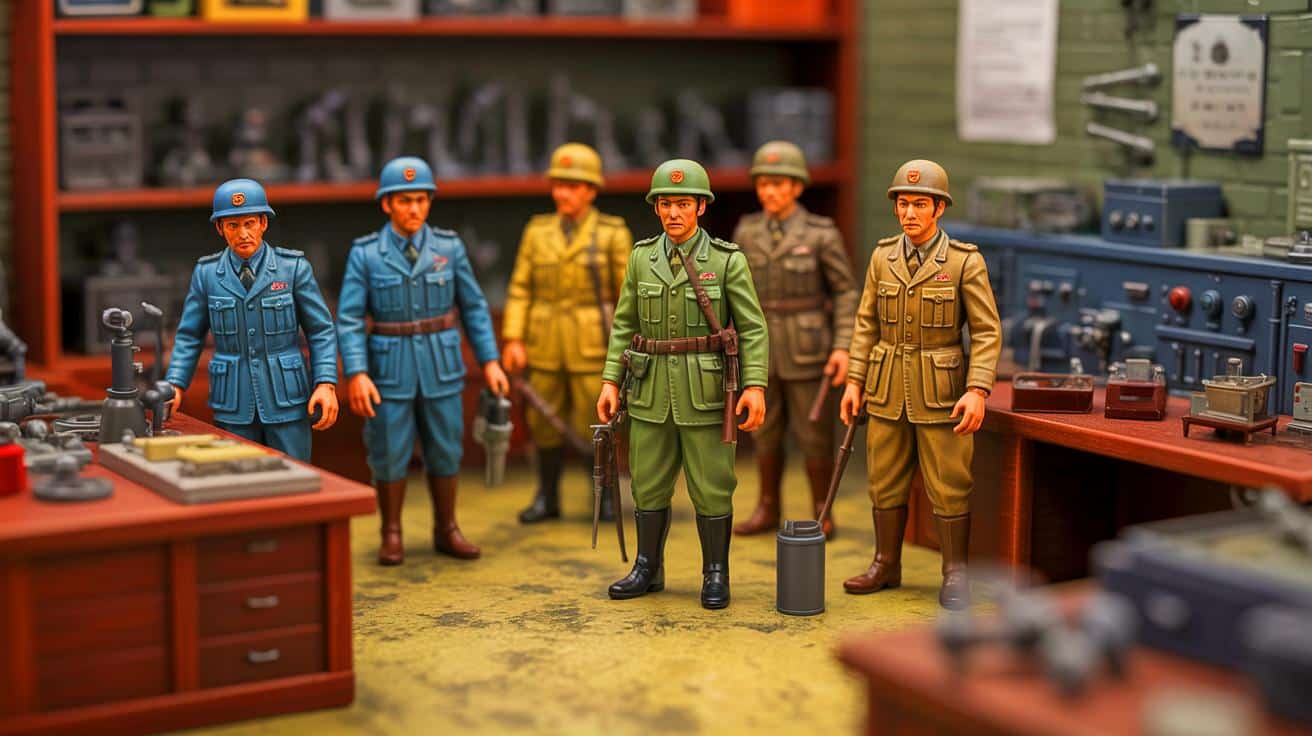
The controversy began when toys portraying Japan’s Unit 731 surfaced on several Chinese e-commerce platforms. Packaged under the guise of “patriotic education,” these toys were meant to serve as reminders of historical events. The packaging featured slogans such as “remember history,” which, to some, twisted the painful memories of biological warfare into a commercial product. Images shared by Chinese media displayed sets that included laboratories and facilities reminiscent of those used by Unit 731.
This depiction was met with widespread condemnation. A Chinese military social media account, Junzhengping, operated by the People’s Liberation Army, was particularly vocal in its criticism. The account stated that turning the atrocities committed by Unit 731 into toys, regardless of intent, constituted an affront to national pride and a distortion of history. The reaction underscores the significance of maintaining a respectful remembrance of historical tragedies.
Following the uproar, the toys were quickly removed from online marketplaces. This swift action was a response to public and governmental pressure. Junzhengping called for tighter regulation of content on online platforms to ensure that history is treated with the solemnity it deserves. This controversy serves as a reminder of the delicate balance between educational intent and historical sensitivity.
Furious China
This incident comes at a particularly sensitive time, as China marks the 80th anniversary of its victory over Japan in World War II. This anniversary included significant public commemorations, such as a large military parade in Beijing and the release of films dramatizing Japan’s wartime actions. The film 731, focusing on Japan’s biological warfare program, premiered on the anniversary of the “Mukden Incident,” regarded by China as the beginning of Japan’s invasion.
While China and Japan have made efforts to stabilize relations, historical disputes continue to cause friction. Beijing has long accused Tokyo of downplaying its wartime record in education and public discourse. The PLA’s statement reiterated that while history should not be used to incite hatred, any distortion is unacceptable. This stance reflects a broader call to honor the memories of those who suffered during the war.
China’s reaction to the toys is emblematic of its broader approach to historical remembrance. The government and public alike insist that wartime atrocities be remembered with gravity and respect, without commercialization or trivialization. The incident with the Unit 731 toys has once again brought these issues to the forefront of public consciousness.
The Legacy of Unit 731
Unit 731, also known as the Epidemic Prevention and Water Purification Department, operated in occupied China during World War II. Officially, it was part of the Japanese Army’s efforts to study and prevent disease. In reality, it was responsible for some of the most horrific war crimes, including lethal human experimentation and the deployment of biological weapons.
The unit’s activities resulted in the deaths of thousands of Chinese civilians and prisoners of war. These acts of brutality have left deep scars in the collective memory of the Chinese people. The unit’s history is a sensitive subject, and any attempt to commercialize its story is met with outrage.
The controversy over the toys is a stark reminder of the ongoing impact of Unit 731’s legacy. It serves as a cautionary tale about the importance of handling historical narratives with care. The public outcry in China reflects a determination to ensure that the atrocities are not forgotten or trivialized.
Commercialization of Historical Memory
The incident highlights a broader issue regarding the commercialization of historical memory. It raises questions about how history is represented and consumed in modern society. The toys, marketed as educational tools, inadvertently sparked a debate about the ethics of commodifying historical tragedies.
For many, the transformation of a dark chapter in history into a toy set was seen as an attempt to capitalize on tragedy. This perception fueled the backlash and prompted discussions about the responsibilities of businesses and platforms in curating content that respects historical events.
The swift removal of the toys from marketplaces reflects a growing awareness of these responsibilities. However, the incident also underscores the challenges faced by businesses in navigating the complexities of historical representation. As history becomes increasingly commodified, the question remains: how can we ensure that it is treated with the respect and seriousness it deserves?
The controversy surrounding the Unit 731 toys has once again highlighted the tensions between China and Japan over wartime history. It has sparked a broader conversation about how we remember and represent history. As the world grapples with these issues, one question remains: how can societies balance the need for historical education with the imperative to respect those who suffered during these dark times?
Continue reading