

“They Never Came Back for It”: This Hidden 12th-Century Silver Treasure Shocks Sweden (and Its Secrets Still Lie Beneath the Ground)
 By
Adam Kovács
By
Adam Kovács
| IN A NUTSHELL |
|
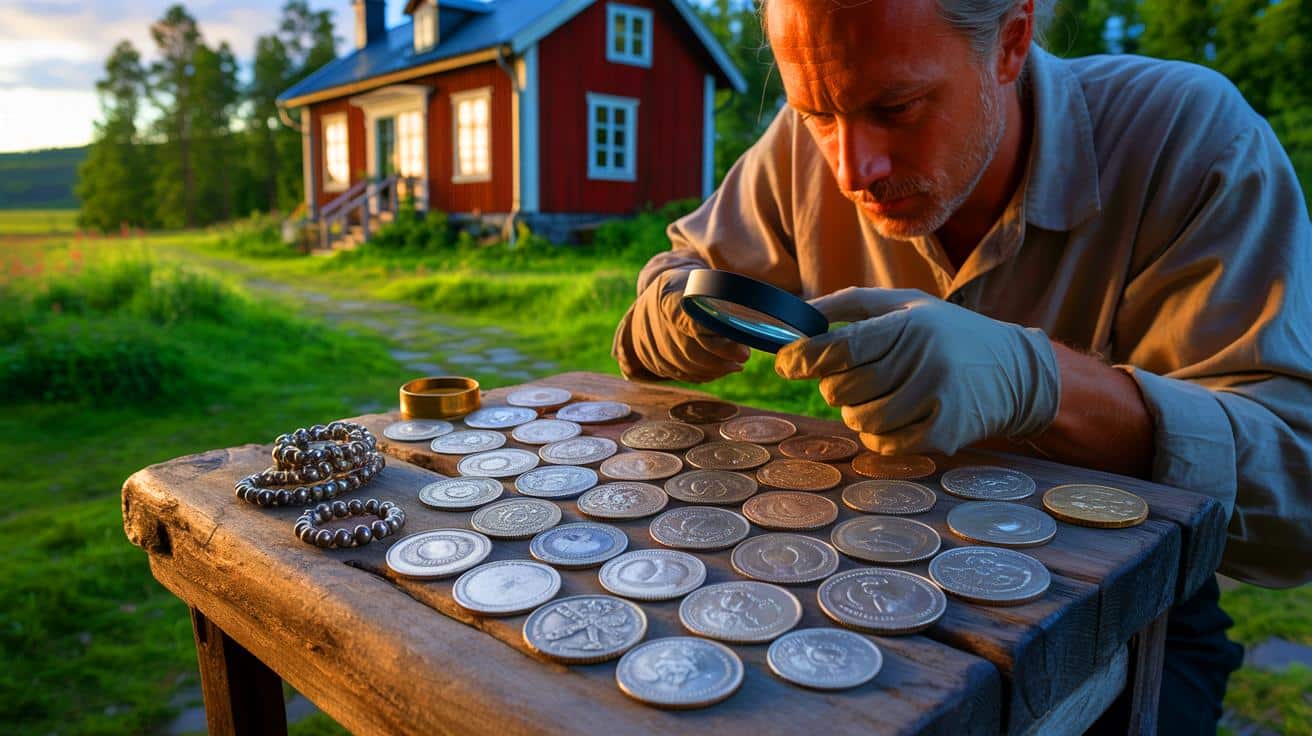
A remarkable archaeological find has emerged from Sweden, shedding light on a tumultuous era in the country’s history. Discovered near a summer house in the Stockholm area, a massive silver hoard dating back to the 12th century has been unearthed. The find consists of approximately 20,000 pieces, including coins and jewelry, providing a fascinating glimpse into the past. Although the exact location remains undisclosed for security reasons, the discovery is already making waves in the academic community. This treasure, found inside a damaged copper cauldron, is thought to have belonged to someone of significant wealth, offering valuable insights into the socio-political climate of medieval Sweden.
The Largest Medieval Treasure Hoard Ever Discovered in Sweden
The recent discovery in Sweden marks one of the largest medieval treasure hoards ever found in the country. With up to 20,000 coins, the treasure’s sheer volume raises questions about the circumstances under which it was buried. The individual or family who hid this fortune likely did so with the intention of recovering it later, but for reasons unknown, this never happened.
According to Sofia Andersson, an antiquarian at the County Administrative Board in Stockholm, while the coins and silver objects are well preserved, the copper cauldron that housed them has not fared as well over the centuries. This find provides a unique window into the past, offering clues about the socio-economic dynamics of the time. The fact that such a significant treasure was never retrieved adds a layer of mystery and intrigue to the story.
The Coins Reflect a Time of Turmoil
Most of the coins in the hoard date back to the 12th century, a period marked by significant political and social upheaval in Sweden. The country’s provinces began unifying around 1000 AD, but it wasn’t until the late 13th century that the crown gained substantial influence. Some coins bear the inscription “KANUTUS,” referring to King Knut Eriksson, a prominent figure who played a crucial role in organizing Sweden’s currency system and supporting the church.
During this era, the relationship between church and state was particularly strong, as evidenced by the presence of “bishop coins” in the hoard. These coins, minted specifically for ecclesiastical purposes, often depict religious figures and symbols. The discovery of such coins suggests the hoard’s owner had connections to or was influenced by the church, reflecting the intertwining of religious and political power during that time.
A Family in Trouble?
Experts speculate that the treasure was buried by a family facing political or social turmoil. The fact that it was never retrieved suggests that the family encountered unforeseen circumstances that prevented them from returning. This theory is supported by the historical context of the 12th century, a period characterized by political instability and conflict.
The County Administrative Board has lauded the finder for promptly reporting the discovery, emphasizing the treasure’s historical significance beyond its monetary value. The state may compensate the finder, highlighting the importance of preserving and studying such finds for their cultural and historical insights.
Preserving History Amidst Modern Challenges
This discovery offers a rare opportunity to delve into Sweden’s medieval past, providing tangible evidence of the era’s complexities and challenges. The hoard not only enriches our understanding of historical events but also underscores the importance of preserving cultural heritage in the face of modern challenges.
The meticulous work of archaeologists and historians will be crucial in piecing together the story behind the hoard. As they analyze the coins and artifacts, they aim to uncover more about the motivations and circumstances that led to the treasure’s burial. This find serves as a reminder of the rich tapestry of human history and the stories that remain hidden beneath the surface.
The discovery of this treasure hoard raises intriguing questions about the individuals who buried it and the historical context in which they lived. As researchers continue to uncover the secrets of this significant find, one wonders what other hidden stories lie beneath our feet, waiting to be discovered. How will future archaeological finds reshape our understanding of history and the people who came before us?
Continue reading