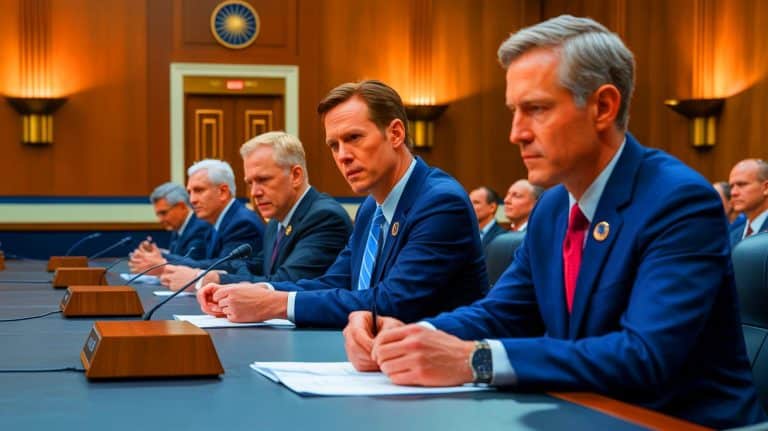



Senators Challenge Hegseth Over Communication Bottleneck, Raising Concerns About Transparency and Accountability in Congress
 By
Adam Kovács
By
Adam Kovács

| IN A NUTSHELL |
|
Recent developments in the Pentagon’s communication policy have sparked significant debate on Capitol Hill. Two influential senators, Angus King and Roger Wicker, have raised concerns about a new directive from Defense Secretary Pete Hegseth. This policy mandates that all interactions between Pentagon personnel and Congress require approval through a central office. Many lawmakers fear this could stifle necessary communication and transparency, crucial for informed legislative processes. The memo, dated October 15, 2025, has been criticized for potentially undermining the Pentagon’s own legislative goals, with both Republican and Democratic lawmakers expressing apprehension.
Concerns Over Communication Restrictions
The Pentagon’s new policy, signed by Defense Secretary Pete Hegseth, is causing ripples among lawmakers. Senator Angus King, a key figure on the Senate Armed Services Committee, voiced his concerns during a recent hearing. He emphasized the importance of open communication channels between the Pentagon and Congress for effective policy discussions. The memo, according to King, would restrict these vital interactions, which he believes are essential for transparent governance.
Senator Roger Wicker, the committee’s chair, echoed King’s sentiments. He suggested that the memo might have been misinterpreted and called for clarification. The central issue is the potential for this policy to limit direct communication, which could impede Congress’s ability to obtain specific and timely information from the Pentagon. This concern is shared by lawmakers across the political spectrum, highlighting the bipartisan nature of the issue.
Implications for Legislative Processes
The policy change has broader implications beyond just communication. By channeling all interactions through a central office, the Pentagon risks creating bottlenecks that could delay crucial information flow. Lawmakers fear that this could hinder their ability to make informed decisions on defense-related matters. Senator Thom Tillis expressed his unease, stating that such restrictions demonstrate a lack of trust within the organization. He argued that the Pentagon is too large and complex to function efficiently under such tight constraints.
Moreover, lawmakers are concerned that this policy could have unintended consequences on the Pentagon’s legislative objectives. By potentially stifling dialogue, the Pentagon might find it more challenging to align its priorities with those of Congress. This misalignment could ultimately delay or derail important defense initiatives, affecting national security.
Bipartisan Reactions and Criticism
The criticism of the Pentagon’s policy is not limited to one political party. Both Republican and Democratic lawmakers have expressed dissatisfaction with the new directive. They argue that it could create unnecessary barriers in the legislative process, which relies heavily on open and direct communication. The consensus is that the policy might be counterproductive, preventing the Pentagon from achieving its legislative goals.
Senator Tillis was particularly vocal about the need for trust within the chain of command. He argued that senior DOD officials should have the autonomy to engage with Congress without excessive oversight. This sentiment resonates with many legislators who view the policy as an overreach that could stifle initiative and innovation within the Department of Defense.
The Path Forward: Seeking Clarifications
As the debate continues, lawmakers are calling for clarifications on the policy’s intent and application. Senator Wicker’s suggestion that the memo may need reinterpretation points to a potential path forward. By addressing the concerns raised, the Pentagon could ease tensions and restore confidence among lawmakers.
Moving forward, it will be crucial for the Pentagon to engage in dialogue with Congress to ensure that the policy’s implementation does not hinder effective governance. Finding a balance between necessary oversight and open communication will be key to maintaining the Pentagon’s legislative effectiveness while preserving the trust and autonomy of its officials.
The ongoing debate about the Pentagon’s communication policy underscores the importance of transparency and trust in government operations. As lawmakers seek to clarify and potentially amend the directive, the question remains: How can the Pentagon and Congress foster a more open and effective dialogue while maintaining necessary oversight and security measures?
Continue reading