


Anduril’s Drone Wingman Takes Flight, Overcoming Software Delays to Transform Military Aviation and Enhance Tactical Operations
 By
Adam Kovács
By
Adam Kovács
| IN A NUTSHELL |
|
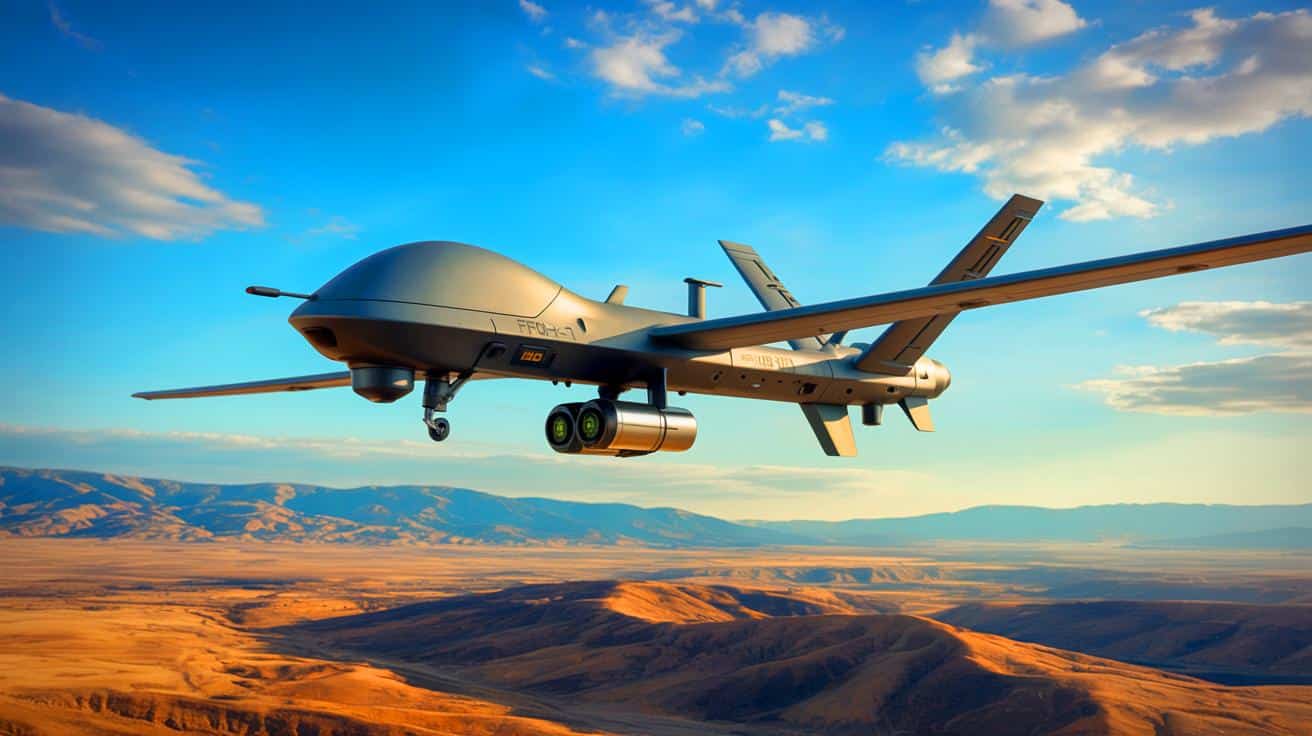
The recent first flight of the YFQ-44 Fury, a prototype developed by Anduril for the Air Force’s collaborative combat aircraft program, marks a significant milestone in military aviation. Conducted at a test site in California, this flight came after software-related delays that postponed its semi-autonomous takeoff. The achievement underscores the competitive and innovative drive in the defense industry, as companies race to advance autonomous technology in military applications. This development adds a new dimension to how unmanned aerial vehicles (UAVs) are integrated into combat operations, offering a glimpse into the future of air warfare.
Unveiling the Semi-Autonomous Flight
The YFQ-44 Fury’s first flight was not just a technical achievement but a demonstration of how semi-autonomous systems are becoming integral to modern military strategies. Unlike traditional remotely piloted aircraft, the Fury was designed to operate without a human directly controlling it from the ground. This approach reflects a shift towards greater autonomy in military drones, aiming to increase operational efficiency and reduce human risk in combat zones.
According to Anduril, the prototype’s flight was a crucial step in collecting the data necessary to refine autonomous systems further. The company’s decision to make the flight semi-autonomous highlights the evolving nature of drone technology. With no operator using a stick and throttle, the aircraft represents a new era where machine intelligence plays a central role in aerial combat. This development aligns with the Air Force’s goals to enhance its capabilities with cutting-edge technology, ensuring leadership in air power.
Competition Driving Innovation
The defense sector thrives on competition, which fosters innovation and accelerates technological advancements. General Atomics, another key player in the industry, had already achieved a successful first flight of its drone wingman in August. This earlier success set a benchmark, pushing Anduril to achieve its milestone despite software challenges. The Air Force Secretary, Troy Meink, emphasized how competition contributes to rapid innovation, ensuring the U.S. remains at the forefront of military technology.
The collaborative combat aircraft program is a testament to the dynamic nature of the defense industry, where companies must continually innovate to stay competitive. With production design contracts expected to be awarded in 2026, the competition is set to intensify. Companies like Lockheed Martin and Boeing are already preparing to enter the fray with their own drone concepts, aiming to capture future opportunities in this evolving field.
The Role of AI and Autonomy in Defense
Artificial intelligence (AI) and autonomous systems are revolutionizing defense capabilities, offering unparalleled advantages in speed, precision, and risk management. The YFQ-44 Fury is a prime example of how AI is being integrated into military strategies, enabling drones to perform complex tasks with minimal human intervention. This technology not only enhances operational flexibility but also provides a strategic edge in unpredictable combat environments.
The Air Force’s focus on semi-autonomous systems points to a broader trend within the military to leverage AI for strategic advantages. By reducing reliance on human pilots, these technologies can potentially lower costs and improve mission success rates. As the military explores these capabilities, the ethical and logistical implications of deploying autonomous systems continue to be areas of active discussion and development.
Looking Ahead: The Future of Military Drones
The successful flight of Anduril’s drone wingman is just the beginning of what promises to be a transformative era for military drones. As more companies join the race to develop autonomous aircraft, the landscape of military aviation is set to change dramatically. The integration of advanced AI and autonomous systems will likely redefine combat operations, making drones an indispensable component of military strategy.
Future developments in this field will need to address various challenges, including regulatory frameworks, cybersecurity threats, and the ethical use of autonomous technology in warfare. As the Air Force and defense companies continue to push the boundaries of what is possible, the question remains: how will these advancements shape the future of global military power dynamics?
As the defense industry continues to innovate and evolve, the role of companies like Anduril in shaping the future of military aviation cannot be understated. The integration of AI and autonomous systems into combat operations raises important questions about the balance between human oversight and machine decision-making. How will these technological advancements redefine the roles of human and machine in future military strategies?
Continue reading