



B-52J Bomber Challenges U.S. Air Force, Raising Concerns About Cost and Operational Readiness Among Military Experts
 By
Adam Kovács
By
Adam Kovács
| IN A NUTSHELL |
|
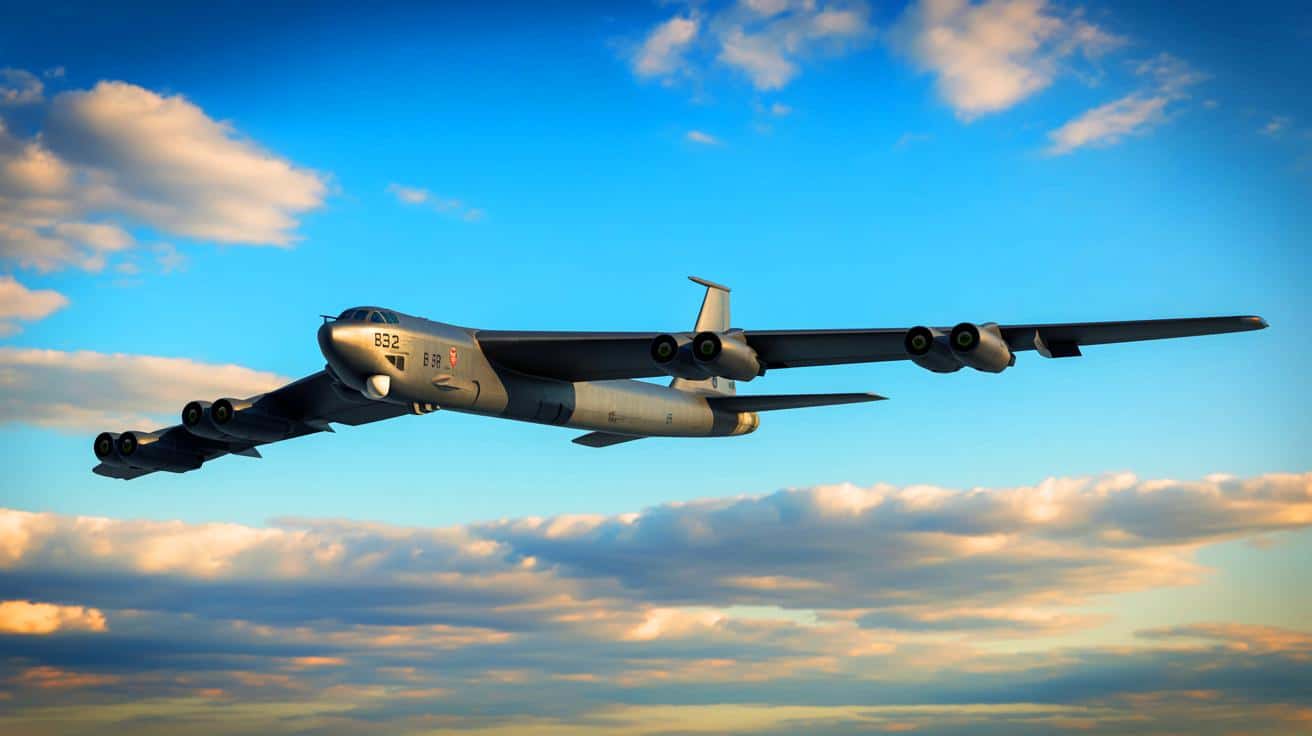
The U.S. Air Force’s ambitious project to modernize its aging B-52 Stratofortress fleet has encountered significant challenges, turning what was supposed to be a straightforward upgrade into a complex and costly endeavor. The B-52J program, aimed at extending the service life of these iconic bombers, is now facing delays and rising costs, raising critical questions about the future of America’s strategic air capabilities. As the Air Force grapples with these issues, the balance between maintaining a legacy fleet and investing in next-generation aircraft like the B-21 Raider becomes increasingly delicate.
The B-52J Headache
The B-52J upgrade program, once seen as a cost-effective solution for extending the life of the B-52 fleet, is now proving to be a complicated undertaking. Vice Adm. Richard Correll, nominee to head U.S. Strategic Command, emphasized the program’s importance, yet acknowledged the potential need for increased B-21 production if the upgrade falters. This sentiment is echoed by Gen. Anthony Cotton, Correll’s predecessor, highlighting a growing debate within military circles.
At the heart of the issue is the challenge of deciding how much investment should go into maintaining a 70-year-old aircraft versus accelerating the production of the more modern B-21 Raider. The current plan envisions 100 B-21 jets and 75 B-52Js, a balance that may shift if the B-52’s modernization continues to struggle. While the B-21 project remains on schedule and within budget, the B-52’s upgrade efforts are plagued by delays and cost overruns.
Maj. Gen. Jason Armagost of the Eighth Air Force recently emphasized the significance of the B-52 as a strategic deterrent. However, achieving this goal involves overcoming numerous technical challenges, such as replacing the aging engines with new Rolls-Royce F130 engines and modernizing the radar systems.
What if It Goes Wrong?
The prospect of the B-52 upgrade program failing to meet its objectives is a real concern. Chief of Staff Gen. David W. Allvin has indicated that further delays or cost overruns could necessitate increased funding for the B-21 program. The B-52J upgrade includes the Commercial Engine Replacement Program (CERP) and the Radar Modernization Program (RMP), both of which are experiencing significant hurdles.
The radar upgrade, in particular, has breached the Nunn-McCurdy Act, requiring the Air Force to reassess the program. The timeline for the B-52J’s first flight has been pushed to 2028, with full operational capability delayed until 2033. These delays stem from underestimated funding needs, integration challenges, and material sequencing issues.
Despite these setbacks, the Air Force remains committed to advancing the B-52J upgrade. The modernized aircraft will not be stealthy, but it will be optimized for standoff attacks using long-range weapons, a crucial capability in modern warfare.
Integration Challenges and Costs
The integration of new systems into the B-52 platform is proving to be a daunting task. The complexity of merging modern technology with a 70-year-old airframe has led to spiraling costs and significant delays. The challenge is compounded by the aging airframes themselves, which require extensive maintenance and adaptation to accommodate the new engines and radar systems.
As the Air Force pours billions into this modernization effort, critics argue that the investment may not yield the desired results. The B-52, while a long-serving icon of American air power, faces a growing mismatch with modern air defense systems. This capability versus threat mismatch raises questions about the bomber’s viability in contested airspace, even with the planned upgrades.
Simple Flying describes the situation as a “nightmare,” highlighting the logistical and financial burdens of the program. The decision to continue upgrading the B-52 instead of fully transitioning to the B-21 Raider has resulted in a Catch-22, where maintaining capability on paper comes at the expense of long-term efficiency and adaptability.
The Role of the B-52 Today
Despite the challenges facing its modernization, the B-52 continues to play a vital role in U.S. military operations. Recently, a B-52 Stratofortress participated in a coordinated operation with Navy warships in the Caribbean, demonstrating the aircraft’s enduring capability in joint operations. The bomber’s ability to integrate with naval forces underscores its strategic importance, even as questions about its future linger.
This operation showcased the B-52’s versatility and the Air Force’s commitment to maintaining its readiness. However, the ongoing upgrade program will ultimately determine the bomber’s long-term role in the U.S. military. The outcome of the B-52J project will influence not only the future of this iconic aircraft but also the broader strategy for U.S. air power.
As the Air Force navigates the complexities of modernizing its fleet, the decisions made today will have lasting implications for national security. The question remains: how will the balance between legacy systems and new technology shape the future of American air power?
Continue reading