

Top hiking trails to explore in Europe
 By
Adam Kovács
By
Adam Kovács
|
IN A NUTSHELL |
|
Europe’s reputation as a hiker’s paradise is not accidental: a compact continent yields an extraordinary range of landscapes, cultures and challenges within hours of each other. For those who seek more than a nature walk, the Tour du Mont Blanc, the pilgrim roads of the Camino de Santiago, Iceland’s volcanic corridor the Laugavegur Trail, Italy’s high-alpine Alta Via 1 and Corsica’s rugged GR20 stand out as defining tests of endurance and discovery. Each route makes a distinct claim, alpine grandeur, spiritual heritage, otherworldly geology, dolomite drama, or technical grit, and each rewards preparation with unrivalled views and cultural encounters. Practical considerations, seasonal access, rescue services, and local conservation rules, matter as much as scenery, and they frame the debate about which trails deserve the “top” label. As tourism rebounds and route management adapts, hikers must balance ambition with responsibility, choosing itineraries that showcase Europe’s diversity without overwhelming fragile environments or local communities.
Classic alpine routes
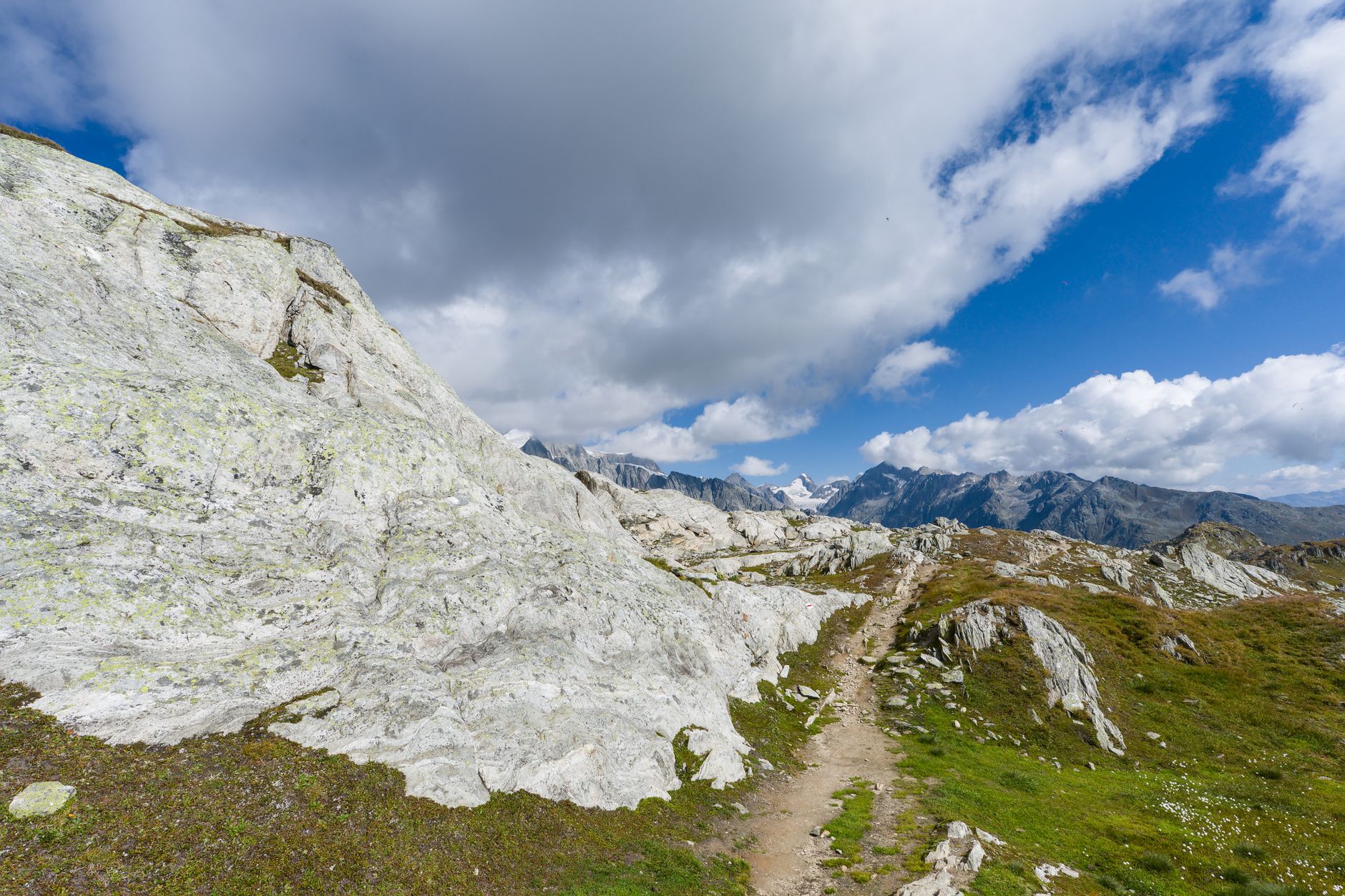
Alpine routes remain the benchmark by which many hikers measure their ambitions. The Tour du Mont Blanc, the Alta Via networks in the Dolomites and the French GR5 each present a compelling case: they combine dramatic elevation, reliable refuges and a tapestry of cultures along the way. These routes are not merely scenic corridors; they are engineered experiences that reward commitment with continuous, tangible payoff. If you seek a trail that tests endurance and offers calibrated infrastructure, the alpine classics are the logical choice.
Critics argue these routes are overcrowded during peak months, but that criticism misses the substantive benefit: proven logistics. Mountain huts, waymarking and established rescue protocols reduce the risk profile for ambitious walkers. That makes the alpine routes an optimal environment for those who want to push fitness limits without assuming unnecessary danger. Experience, safety and cultural variety are not mutually exclusive here, they reinforce each other.
Choosing the right season transforms the experience. Spring snowmelt and early summer flowers reward technical skills and patience, while late summer and early autumn offer stable weather and clearer views. Gear choices are decisive; light technical boots, layered insulation and reliable navigation tools yield better enjoyment than attempting to make do. Preparation converts difficulty into sustainable challenge.
The alpine classics are also an argument for access: these routes stitch together international landscapes and local economies. They validate investment in sustainable lodging, trail maintenance and regional transport. By choosing these trails, hikers support networks that maintain routes for future generations. That pragmatic return on experience is as important as the views themselves, and it makes alpine routes the centerpiece of any serious European hiking plan.
Coastal and island treks
Coastal and island treks offer a fundamentally different reward set: the mix of sea air, geological variety and human-scale villages. Trails like the Caminito del Rey alternatives along Spain’s coast, Madeira’s levadas and the Azores’ rim walks argue convincingly that proximity to water amplifies mood, local gastronomy and biodiversity in ways high mountains cannot replicate. When shoreline and summit are both goals, coastal hikes deliver an unmatched sensory palette.
Beyond aesthetics, coastal trails often provide logistical advantages: shorter stages, multiple exit points and rich public transport options. That accessibility is persuasive for travellers balancing limited time with a desire for quality hiking. The islands demand respect for microclimates, fog, sudden storms and strong winds, but those conditions reward smaller-group itineraries and modular planning, which many modern hikers prefer.
Here is a practical table to compare representative coastal and island trails, their difficulty and the best season to visit:
| Trail | Location | Difficulty | Best season |
|---|---|---|---|
| Caminho coastal loops | Portugal/Spain | Moderate | Spring, autumn |
| Levada walks | Madeira | Easy to moderate | Year-round |
| Azores rim walks | Azores | Moderate | Late spring to early autumn |
| Lofoten coastal routes | Norway | Challenging | Summer |
Choosing a coastal trek is an argument in favor of variety and accessibility. Those who prioritize regional cuisine, birdlife and shorter stages will find coastal routes more rewarding than alpine ones, while serious multi-day island circuits can still deliver technical terrain and solitude. Coastal hikes are not second best; they are an alternative excellence with their own set of trade-offs and rewards.
Eastern europe backcountry
Eastern Europe remains one of Europe’s most compelling, underutilized hiking frontiers. The Carpathians, the Tatras and the Balkan highlands present a clear case: superior solitude, authentic village culture and a cost-to-experience ratio that is hard to match elsewhere. That affordability is not merely financial, it extends to trail density and the cultural exchange a hiker encounters. For evidence-based travellers seeking depth over polish, Eastern Europe offers disproportionate returns.
Some skeptics cite fewer marked routes and limited refuges as downsides. That argument is valid, but it is also an argument for better planning rather than avoidance. Modern trip planning resources have closed the informational gap; blogs and regional posts provide reliable routes and accommodation options. For those budgeting a longer trip, resources like this piece about planning economical travel across the continent point to practical strategies to stretch time and money: https://visegradpost.com/en/2026/02/03/budget-europe-trip/.
Furthermore, Eastern Europe contains numerous hidden treasures, less-trafficked peaks, glacial lakes and pastoral routes, that larger Western circuits cannot replicate. If your priority is immersion rather than checklist ticking, these trails reward patience with authenticity. Local guides and homestays boost both safety and cultural exchange, turning logistical friction into value.
There is also an ethical dimension: hiking in these regions channels tourism revenues into communities where impact is tangible. That dynamic supports trail maintenance and incentives to preserve traditional landscapes. For travellers arguing about responsible tourism, Eastern Europe presents a clear, actionable opportunity to align spending with preservation and cultural respect.
Long-distance cultural corridors
Long-distance cultural corridors like the Camino de Santiago, the Via Francigena and St. Olav’s Way are more than endurance tests; they are structured journeys through centuries of history. These routes make an intellectual argument: walking across historical networks fosters a different kind of knowledge, one that is tactile, sequential and cumulative. When route is narrative as well as pathway, the hike educates as it exhausts.
Such corridors succeed because they balance infrastructure and meaning. Pilgrim hostels, waymarks and local economies have grown around these paths, creating an ecosystem that supports long-distance walking. The predictability of stages allows hikers to focus on reflection and cultural interaction rather than constant logistics. That is a persuasive case for choosing a corridor over ad-hoc trekking: the journey becomes an extended cultural interface.
Below is a table summarizing popular cultural corridors, typical duration and what each most strongly delivers to the walker:
| Corridor | Typical duration | Main appeal |
|---|---|---|
| Camino de Santiago (French Way) | 30 to 35 days | Historic pilgrimage, community |
| Via Francigena | 40 to 60 days | Medieval routes, cultural diversity |
| St. Olav’s Way | 10 to 14 days | Nordic landscapes, heritage |
| E-path networks (E1, E4, E5) | Varies widely | Continental connectivity |
Choosing a corridor is an argument for pilgrimage-style pacing and cultural depth. These routes are less about conquering terrain and more about cumulative experience. Hikers seeking to connect landscapes with stories will find corridors uniquely satisfying. For practical planning advice on routes and destinations across Europe in 2026, contemporary resources help identify trends and newly emphasized stretches: https://visegradpost.com/en/2026/01/20/travel-europe-2026/. If cultural immersion matters, these corridors are the most efficient method to achieve it.
Wild landscapes and remote high routes
For hikers who equate value with remoteness, the argument for wild, remote routes is straightforward: solitude yields regenerative experiences that crowded paths cannot. Trails such as Corsica’s GR20, Iceland’s Laugavegur and the Norwegian arctic circuits demand higher skill and commitment, but they reward with uncompromised landscapes and rare wildlife encounters. Remoteness is not antisocial; it is a deliberate choice to prioritize depth over convenience.
These routes demand respect for seasons, navigation and self-sufficiency. That requirement is often framed as a barrier, yet it is also a filter that improves the quality of the experience: committed, prepared parties share these trails with similarly serious hikers, which raises the level of interaction and reduces careless impacts. Furthermore, remote routes make a persuasive case for lightweight, resilient gear and skills investment, choices that pay off across all future adventures.
There is a conservation imperative embedded in remote trekking. Low-footprint practices are not optional; they are central to preserving these fragile ecosystems. Hikers who choose remote routes have a duty to model sustainable behaviour, from waste management to seasonal avoidance. For people who care about cultural and natural preservation, supporting content that highlights less-known areas is useful: some writers catalog emerging highlights and argue for responsible exploration, for example in coverage of Europe’s cultural and natural destinations: https://visegradpost.com/en/2026/01/27/top-cultural-europe/ and explorations of https://visegradpost.com/en/2026/01/15/europe-hidden-gems/.
Ultimately, remote high routes are an argument for intentionality: choose them if you want to invest time, skill and care into an experience that is resolutely anti-commodified. They offer an uncompromised encounter with landscape that rewards ethical, skilled and patient travellers.
Why the Top hiking trails in Europe deserve your immediate attention
The selection of Top hiking trails across Europe is not accidental: each route offers a distinct mix of scenery, cultural depth, and physical challenge that collectively outperforms many global alternatives. Trails like the Tour du Mont Blanc, the Camino de Santiago, the West Highland Way, the GR20, and the Laugavegur present not only spectacular panoramas but also reliable infrastructure and progressive conservation practices. Argumentatively, choosing these paths is justified by their proven capacity to deliver transformative experiences, both for seasoned hikers seeking technical rigor and for newcomers craving accessible immersion in nature and heritage.
Variety is the strongest argument for prioritizing Europe’s trail network. From the alpine exposures of the Dolomites to the volcanic contrasts of Iceland’s Laugavegur, the continent compresses a world of ecosystems into walkable segments. This diversity means a hiker can tailor trips by difficulty, season, and desired cultural encounters. The availability of day-to-day services, mountain huts, and well-marked routes reduces logistical friction and increases overall safety, practical advantages that strengthen the case for these trails over more remote alternatives.
Beyond logistics and variety, the educational and wellbeing returns are substantial. Walking these routes fosters deeper connections to local communities and living traditions while delivering measurable physical and mental health benefits. The argument for investment, time, training, and planning, becomes compelling when balanced against the lasting memories and personal growth the trails produce. Emphasizing sustainability and responsible travel ensures these benefits persist for future generations, further legitimizing the decision to prioritize these European paths.
Practical considerations complete the case: accessible transport links, clear seasons, and a broad spectrum of accommodation options make these trails efficient uses of time and resources. For anyone deciding where to allocate limited travel days, the evidence favors these well-established routes as the most rewarding, defensible choices for exploring Europe on foot.
Top hiking trails to explore in Europe, FAQ
Q: What makes the Camino de Santiago one of the top hiking trails in Europe?
A: The Camino de Santiago combines cultural heritage, manageable stages and a strong network of refugios, which makes it superior to many purely scenic routes; if you value a mix of history, community and varied terrain, it outperforms remote trails that offer scenery but little support.
Q: Should I choose the Tour du Mont Blanc or a tougher alpine route like the GR20 in Corsica?
A: Choose the Tour du Mont Blanc if you prioritise consistent mountain scenery, reliable huts and high accessibility across France, Italy and Switzerland; the GR20 is technically harder and more committing, so only pick it if you want a challenging, low-support alpine adventure, for most hikers the Tour du Mont Blanc delivers superior value for effort.
Q: Is the GR20 really the hardest trail in Europe, and who should attempt it?
A: The GR20 is widely considered one of the most demanding due to sustained technical sections, exposure and logistical complexity; only experienced hikers who can handle scrambling, carry efficient gear and accept limited escape options should attempt it, less experienced hikers should select trails with better infrastructure instead.
Q: Why recommend the Tour du Mont Blanc for first-time multi-day hikers?
A: The Tour du Mont Blanc offers a compelling balance of dramatic alpine scenery, well-marked paths and a dense network of mountain huts and villages, which reduces logistical risk; for first-time multi-day hikers this combination of safety, support and spectacle makes it a wiser choice than remote wilderness routes.
Q: What are the advantages of hiking the West Highland Way in Scotland?
A: The West Highland Way delivers rugged Scottish landscapes, strong public transport links and plentiful accommodation, advantages that mean you get authentic highland experience without sacrificing accessibility or lodging options, unlike some European trails that require complex resupply plans.
Q: How should I prepare for the Alta Via 1 in the Dolomites?
A: Preparation for Alta Via 1 should prioritize solid daypacks, layered clothing for variable alpine weather and trekking poles; its dramatic rock faces reward careful planning, and because the route offers many huts, you should prioritize navigation skills and fitness over carrying excessive gear.
Q: Is Iceland’s Laugavegurinn suitable for hikers who dislike crowds?
A: Laugavegurinn has become more popular, yet it still provides vast, otherworldly landscapes that justify choosing it over crowded lowland trails; to avoid crowds, argue for off-season timing or less-traversed add-on routes that preserve solitude while keeping safety considerations in mind.
Q: What makes the Samaria Gorge in Crete unique compared to continental hikes?
A: The Samaria Gorge offers a concentrated dose of dramatic canyon scenery and Mediterranean biodiversity in a single-day format, which is preferable if you want intense scenery without multi-day logistics, its accessibility and clear trail argue strongly in favor of booking it for limited-time travelers.
Q: How does Rota Vicentina compare to Portugal’s coastal sections for scenery and difficulty?
A: The Rota Vicentina stands out because of rugged sea cliffs, varied beach approaches and manageable daily stages; it offers superior coastal drama with less technical difficulty than cliff-only scrambles, making it the pragmatic choice for hikers who want coastal spectacle without extreme exposure.
Q: When is the best time to hike Kungsleden in northern Sweden?
A: The optimal window for Kungsleden is mid-summer to early autumn when trails are clear and huts operate; arguing for this period is logical because it balances long daylight, reduced snow risk and available services, hiking outside this window demands advanced winter skills and specialized equipment.
Q: How important is local accommodation availability when choosing a European trail?
A: Accommodation is crucial: trails with abundant huts, refugios or villages reduce weight, increase safety and allow flexible itineraries; opting for well-supported trails is a strategic choice if you prioritise comfort and resilience over complete wilderness immersion.
Q: Should I hire a guide for iconic routes like the Tour du Mont Blanc or Camino?
A: Hiring a guide can be justified if you value expert route knowledge, local insight and logistical simplicity; while independent hikers will save money, guided trips convert uncertainty into confidence, arguably a better investment for those short on time or new to international hiking.
Q: What gear is non-negotiable for long European trails?
A: Non-negotiable items include a reliable waterproof layer, supportive boots, a quality backpack, navigation tools and a first-aid kit; investing in these essentials reduces risk and improves enjoyment, making it irrational to skimp on core gear when planning extended trails.
Continue reading